Tea Ceremony Experience at Nanpu, Azumabashi, Asakusa | Learn the Etiquette in a Kimono in About 90 Minutes
Spend about 90 minutes learning the Japanese tea ceremony in a simple kimono at Nanpu in Azumabashi, Asakusa. After watching the instructor perform the ceremony, you'll learn how to handle the utensils, how to bow, and more, before whisking your own matcha. Explanations are given in English, and with chair seating, there's no need to kneel.
Published:
Content verified by the operatorPhotos courtesy of 茶道教室「南風」
This page contains affiliate links.
Prices and ratings are as of 2026.10.26. Please check the booking page for the latest details.
BEFORE YOU BOOK
4 Things to Know Before Booking
- 01Learn the etiquette and spirit of the tea ceremony by watching a demonstration and practising yourself
- 02Get hands-on lessons using real tea utensils such as the tea cloth and tea scoop
- 03Chair seating means no kneeling, and children aged 5 and up can join in
- 04Wear a free simple kimono and enjoy matcha with seasonal wagashi
BEST FOR
Who This Experience Is Best For
- 01
Those who want to understand the etiquette and meaning of the tea ceremony
Beyond bowing and handling the utensils, you'll learn about the spirit of Zen and the principle of wa-kei-sei-jaku, all in English.
- 02
Those who are worried about kneeling, or who want to join with children
With chairs and tables, there's no need to sit on the floor for long. Children aged 5 and up are welcome.
- 03
Those who want to experience Japanese culture in a kimono while sightseeing in Asakusa
A simple kimono is provided free of charge, and you can enjoy commemorative photos in it.
When to Compare Other Options
If you'd rather spend more time strolling the streets in a kimono than doing the tea ceremony, consider comparing kimono rental options, which let you choose your return time and how far you explore.
Learn the Etiquette and Spirit of Tea at Nanpu in Azumabashi, Asakusa
This experience is hosted by Nanpu, a tea ceremony school in Azumabashi, Asakusa. Its roughly 90-minute session is designed to help you "learn, understand, and practise" the way of tea.
Beyond how to whisk matcha, you'll learn how to bow, sit, and move your hands, along with the names and roles of each tea utensil, all through hands-on practice. You'll also be introduced to the spirit of Zen, the principle of wa-kei-sei-jaku (harmony, respect, purity, and tranquillity), and ichigo ichie, the idea of treasuring each encounter as a once-in-a-lifetime moment.
An experienced instructor guides you in English, and you'll be seated on chairs at a table. There's no need to kneel on the floor, and children aged 5 and up are welcome. Why not slip into a complimentary simple kimono and spend some time discovering Japanese culture?

First, Change into a Simple Kimono and Take Your Seat
You'll start by changing into a simple kimono provided by the school. Wearing it is free of charge, and the experience is popular with families, friends, and couples alike.
Once you're dressed, you'll take a seat on a chair and the session begins. Sitting in a kimono with the tea utensils laid out before you, the unfamiliar clothing and tools only add to the anticipation of what's to come.
Watch the Instructor's Demonstration and Enjoy Matcha with Wagashi
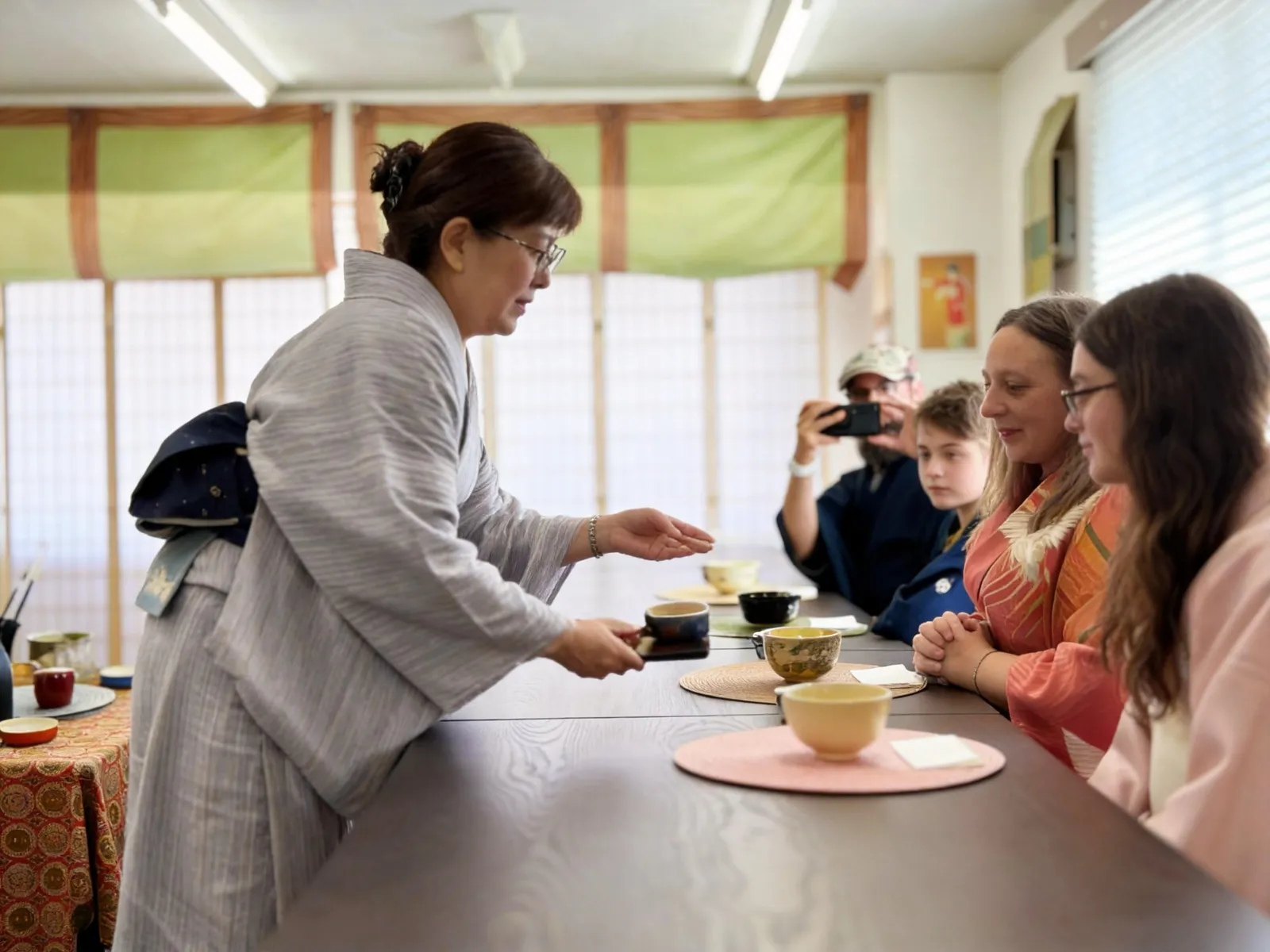
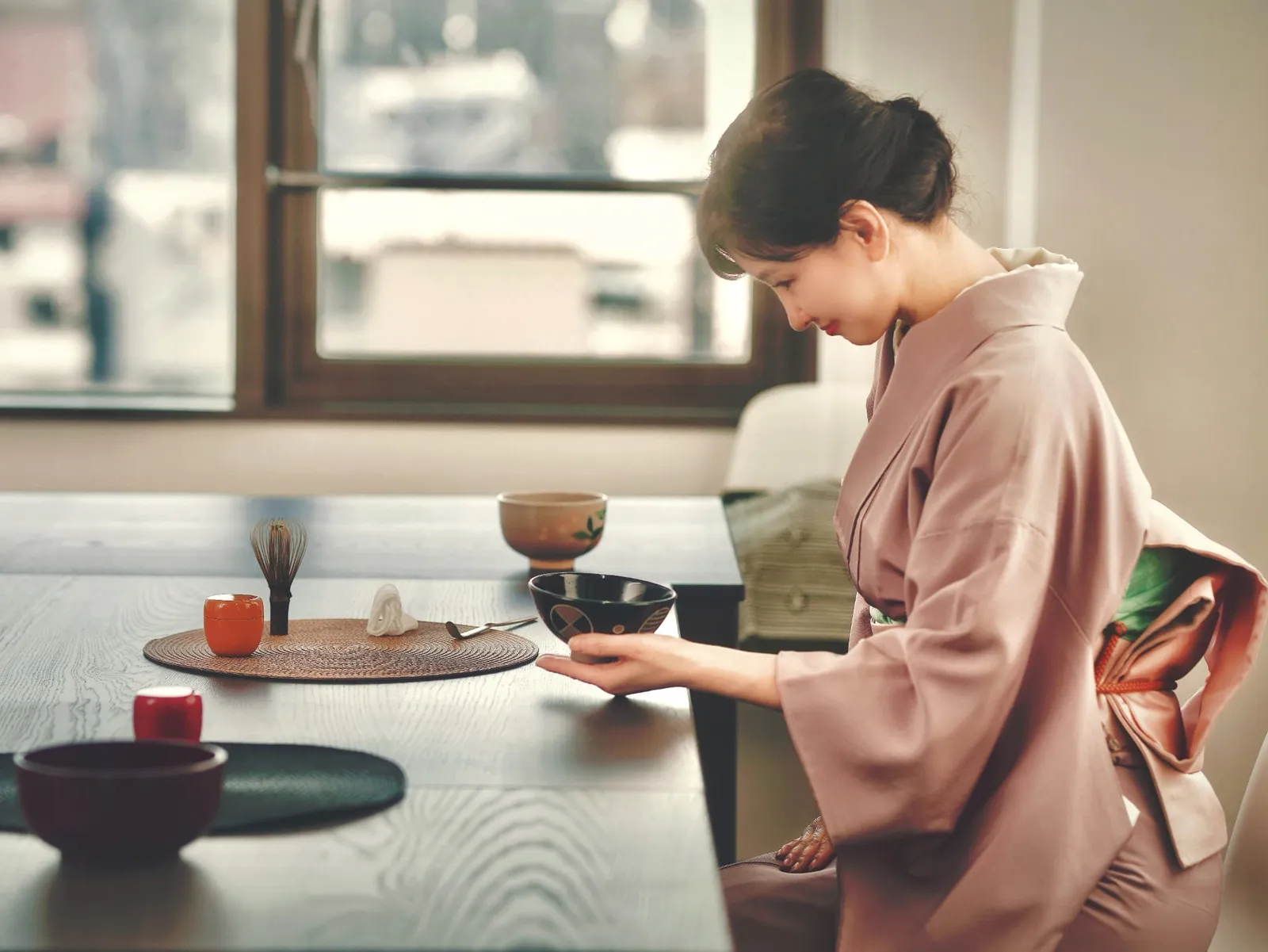
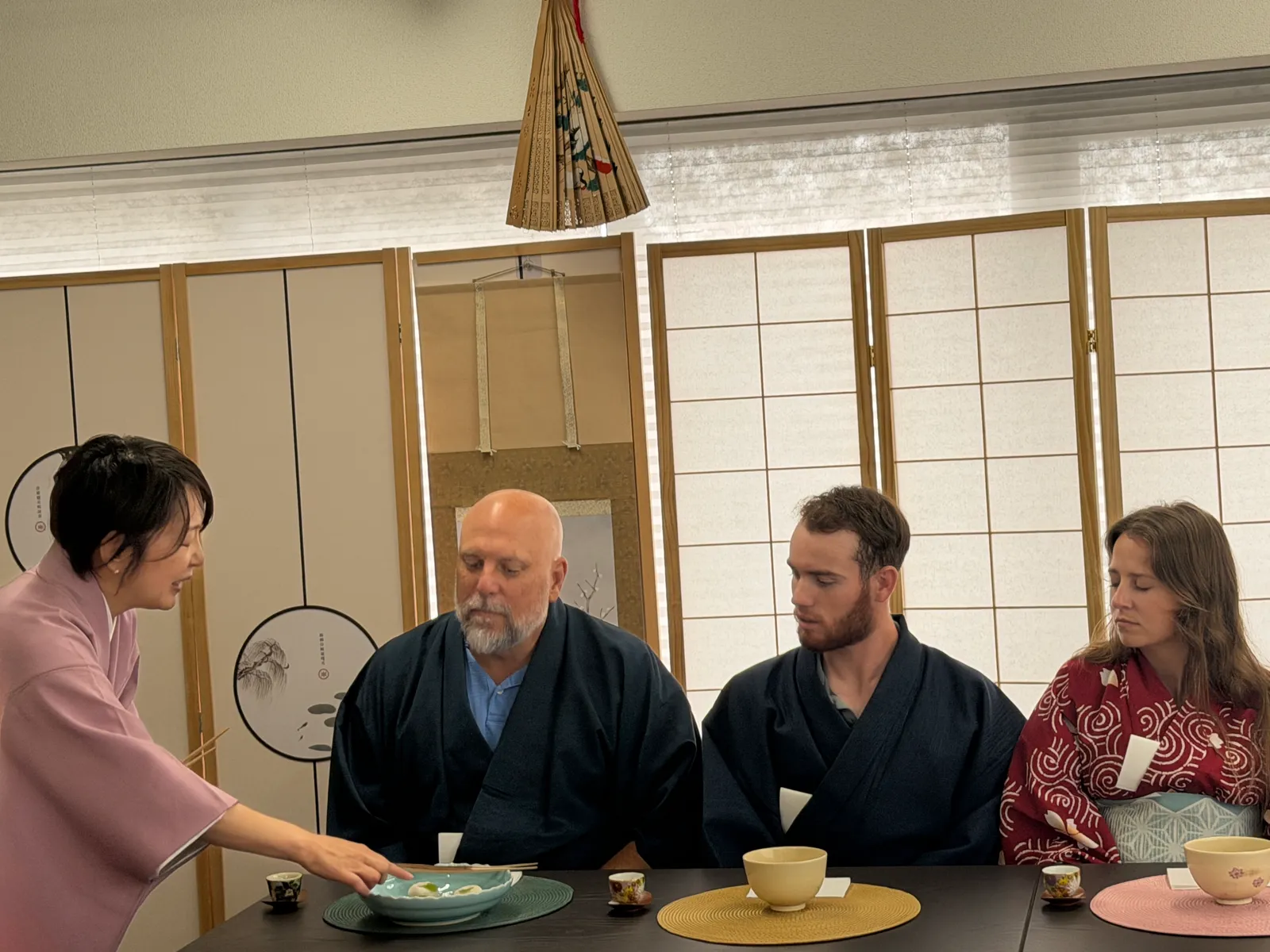
Once seated, you'll be served a welcome tea and then watch the instructor perform the tea ceremony, known as otemae. Observing up close how the instructor handles the utensils and bows, you'll learn what each movement means.
Everything is explained in English, so you can join even if you don't speak Japanese. If any movement or utensil catches your interest, feel free to ask the instructor.
You'll also get to savour matcha prepared by the instructor. The experience includes seasonal wagashi (Japanese sweets), so take a moment to appreciate not only their taste but also the season reflected in their shapes and colours.
Next, Learn How to Handle the Tea Cloth and Tea Scoop
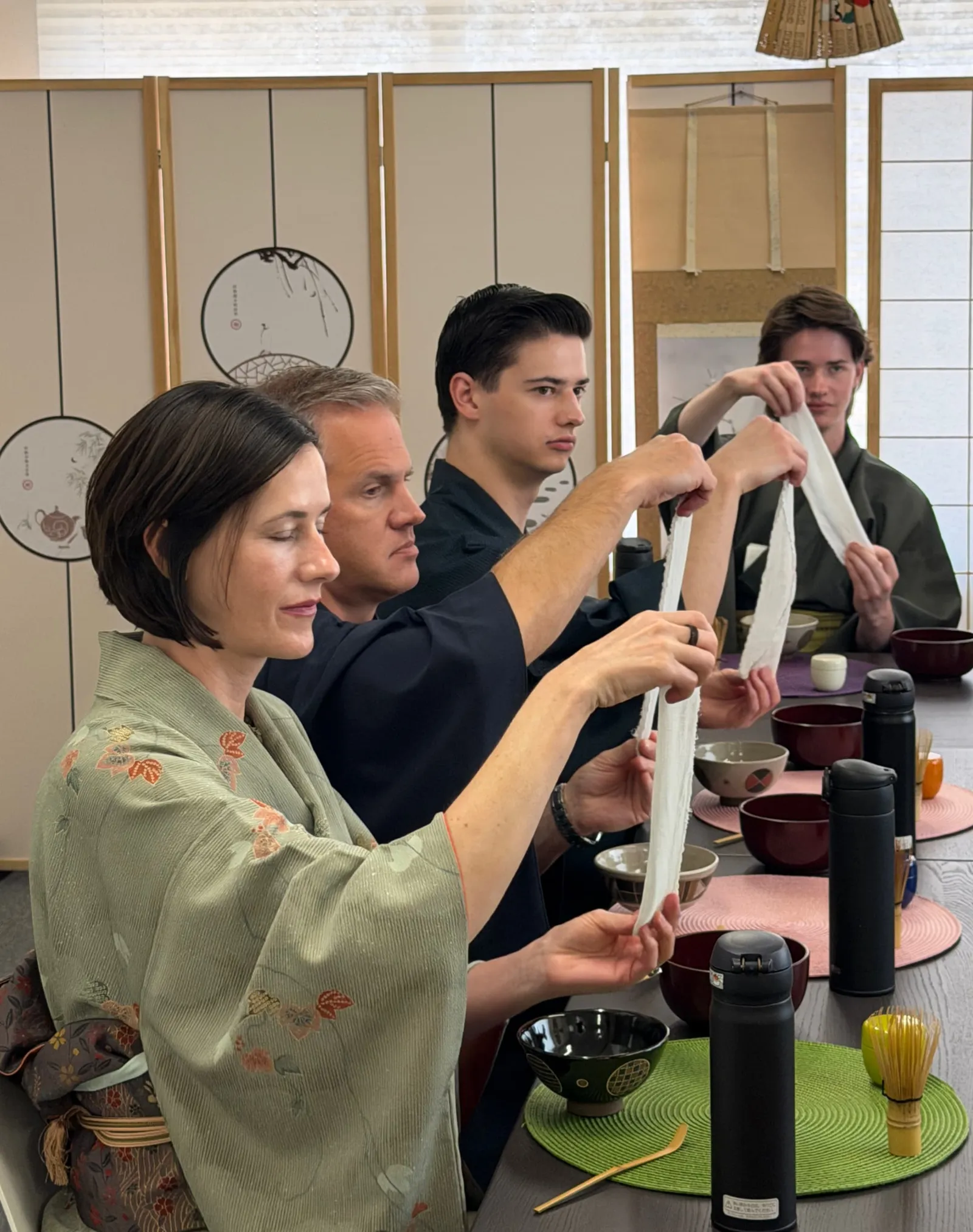
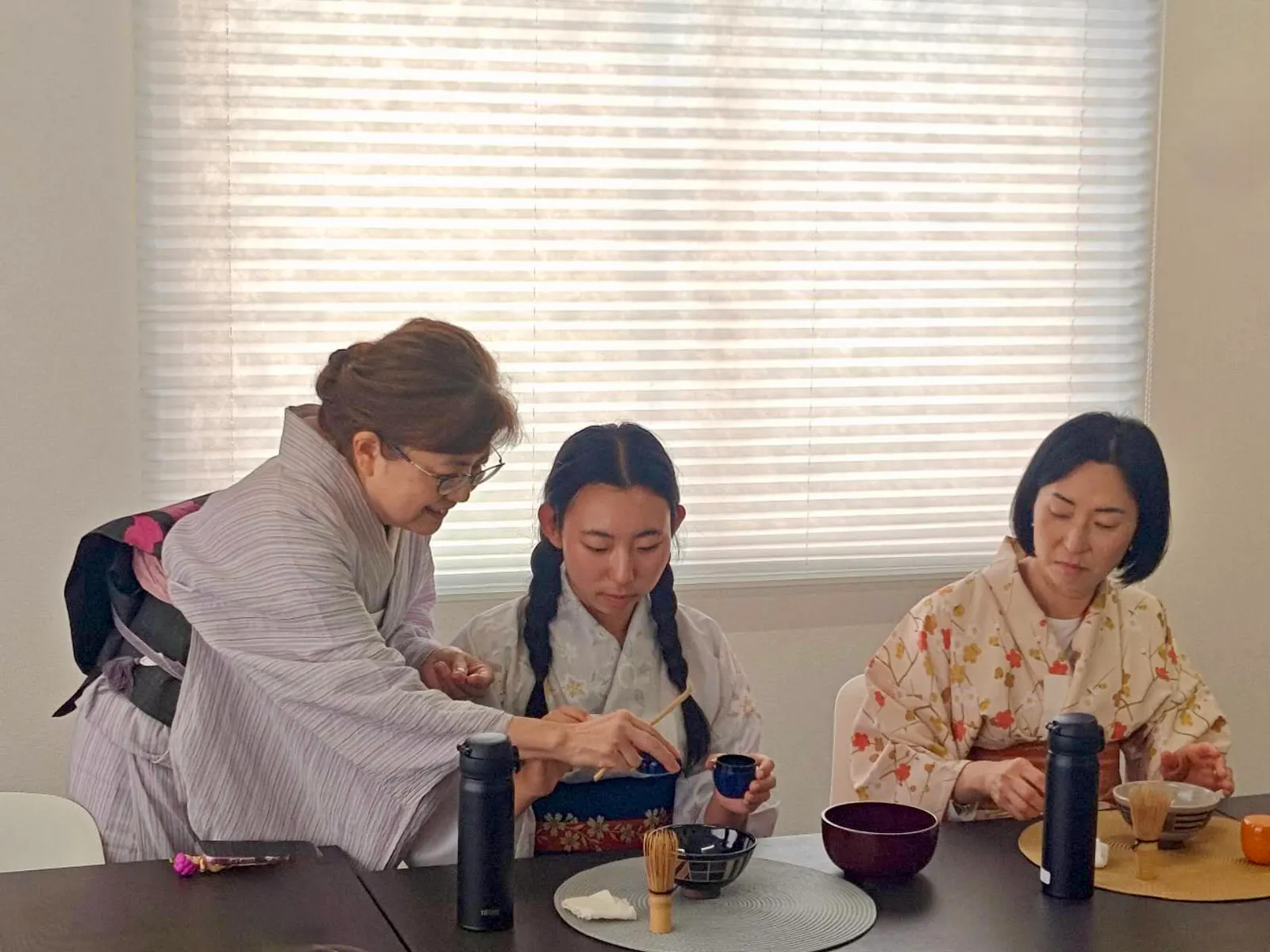
Now it's your turn to use the utensils. Along with the chasen (bamboo whisk), you'll learn the names, roles, and proper handling of the natsume (tea caddy), chashaku (tea scoop), kensui (waste-water bowl), chakin (tea cloth), and more.
How should you handle the tea cloth? How do you hold the tea scoop? You'll watch the instructor's movements and then try them yourself. A distinctive feature of Nanpu is that bows and hand movements are taught one step at a time.
The instructor watches each participant's hands and offers guidance, so even first-timers can check anything they're unsure about as they go.
Finally, Whisk Your Own Matcha
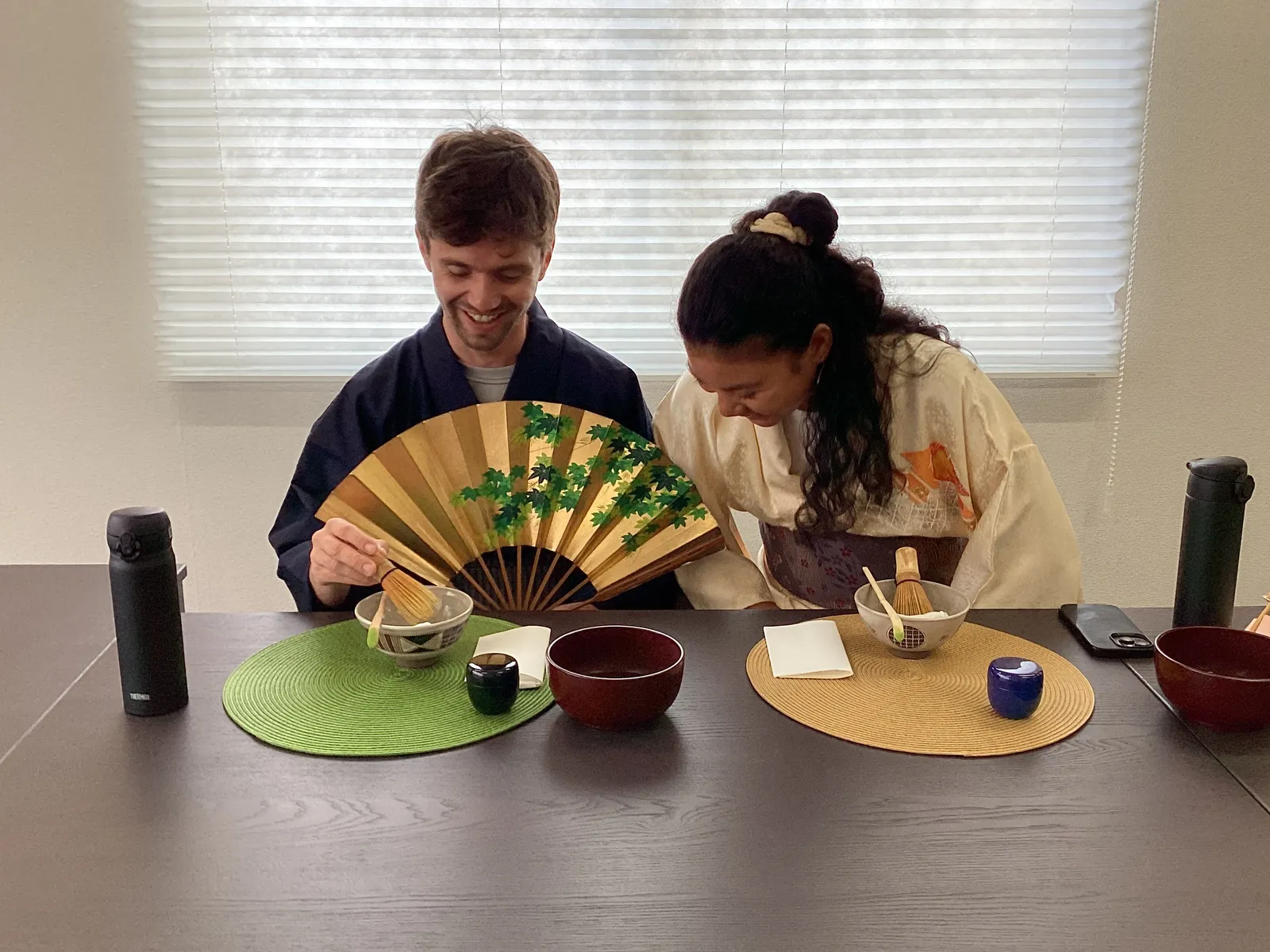
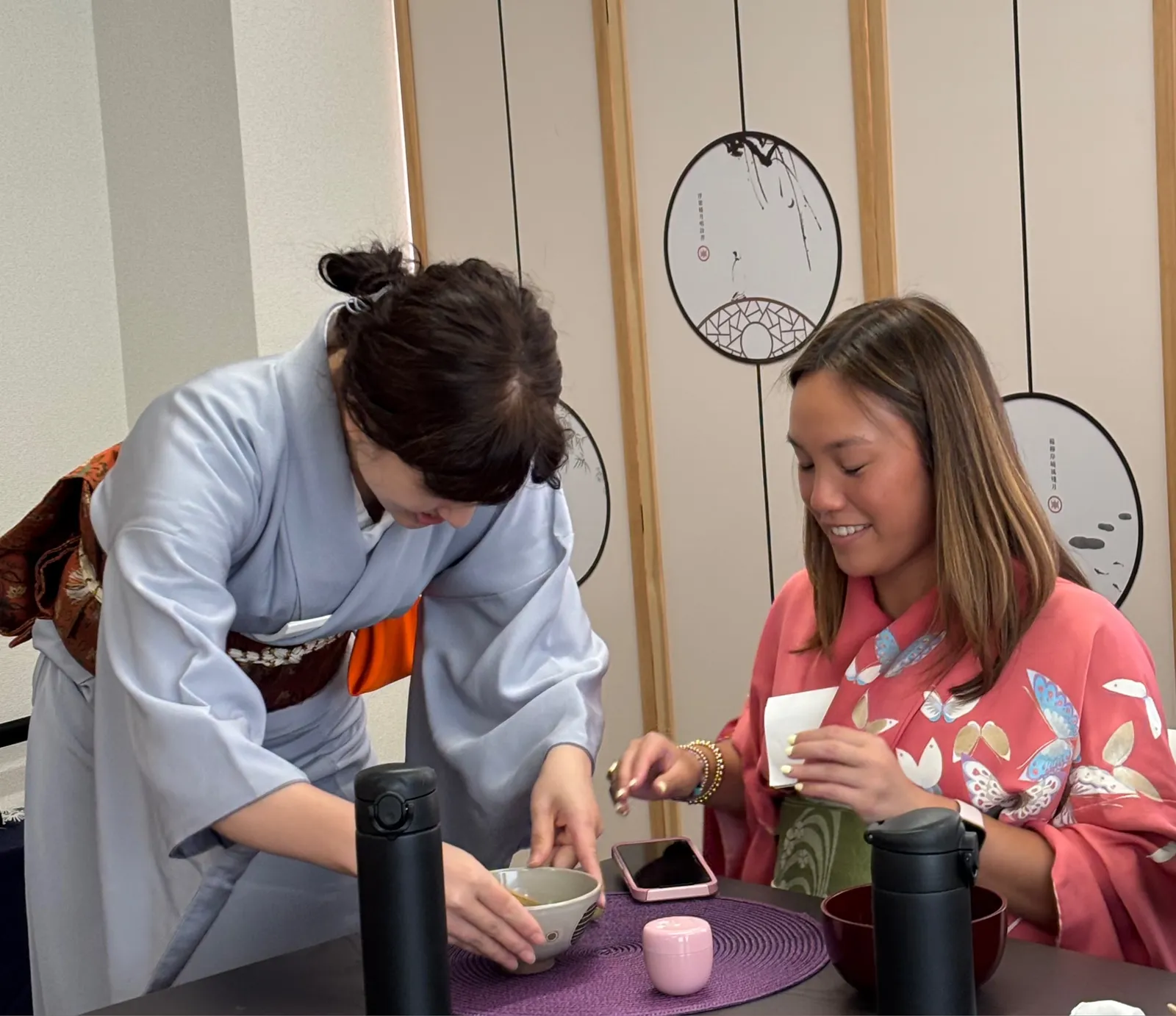
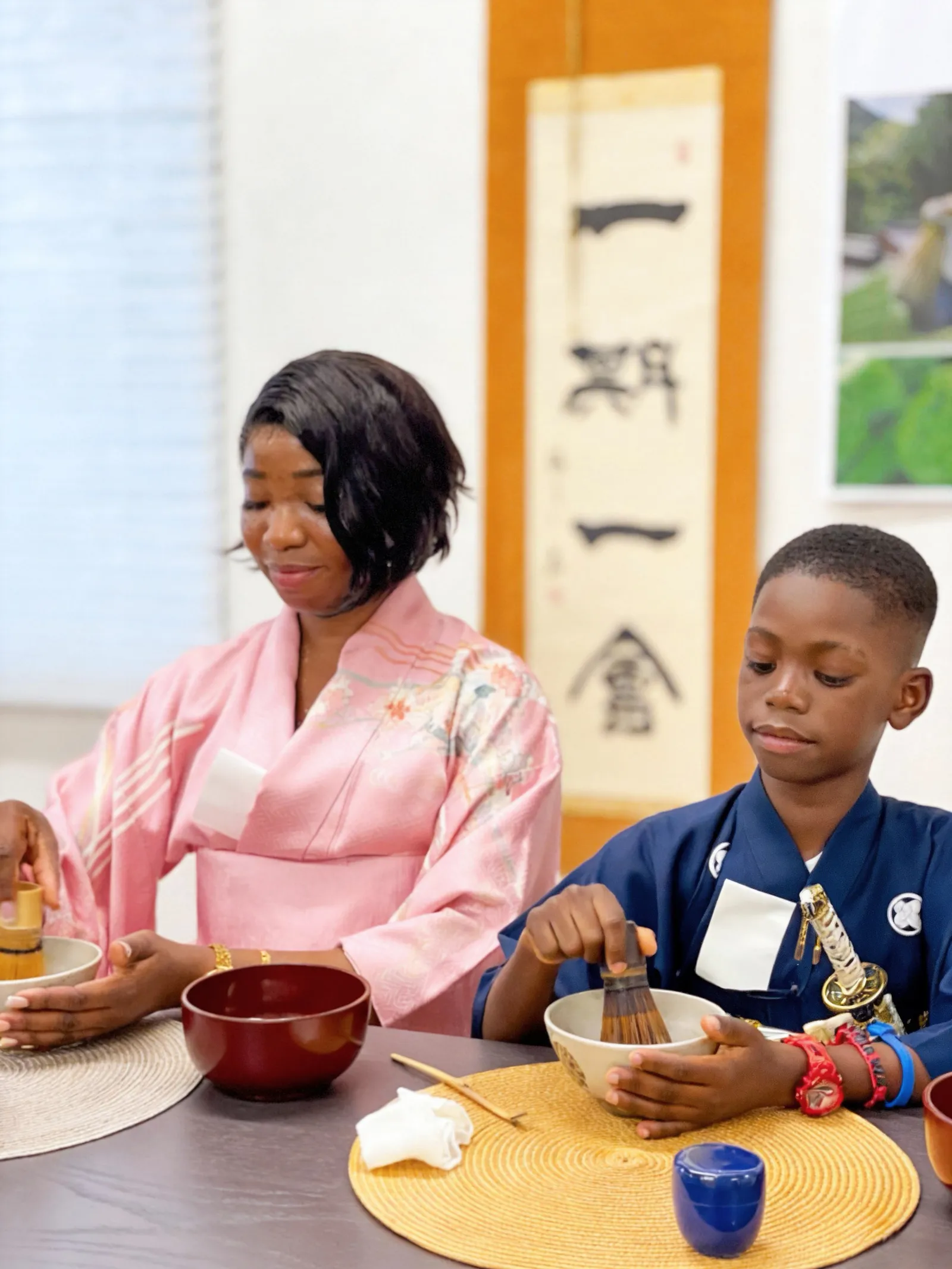
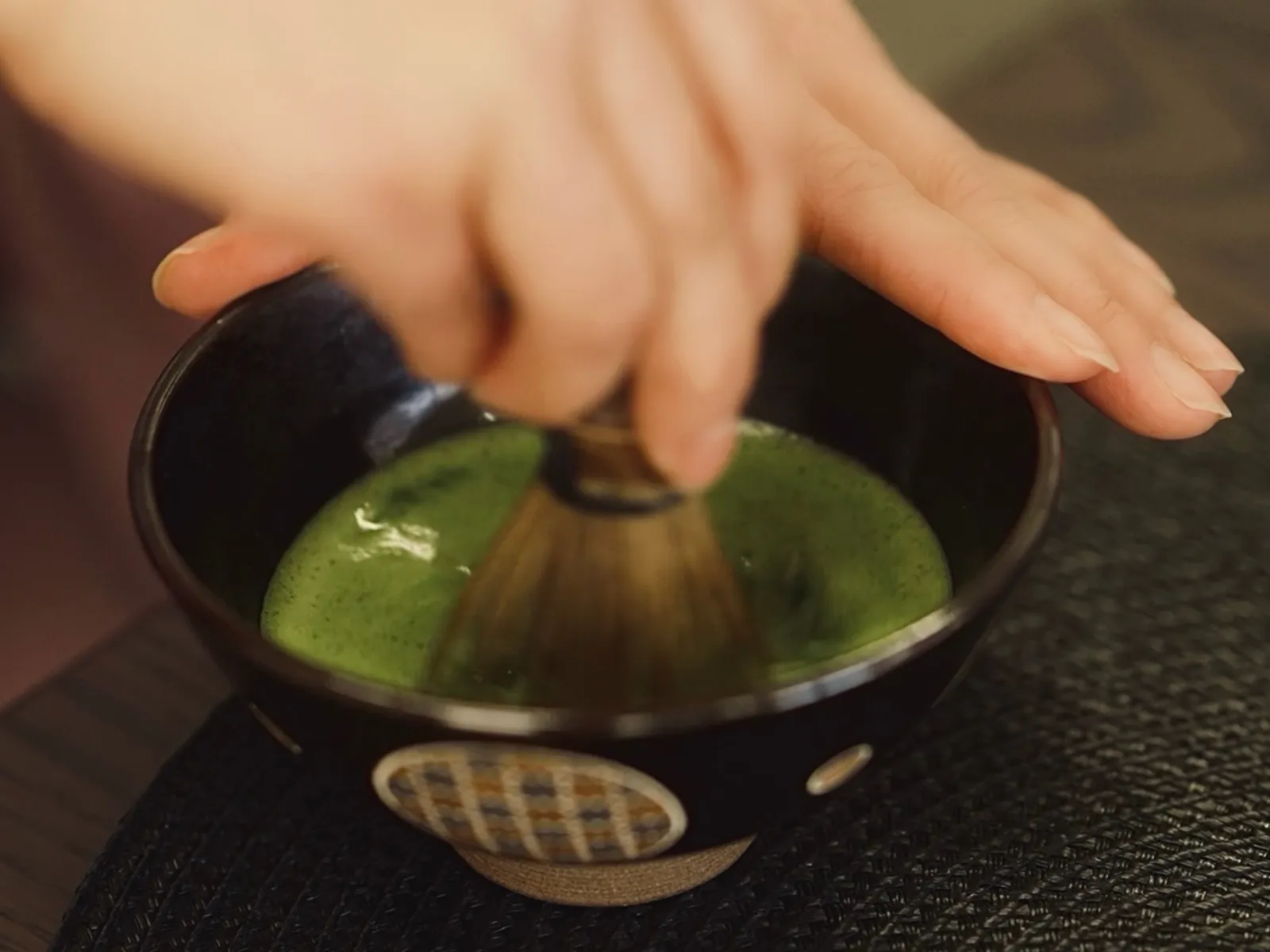
Once you've learned how to handle the utensils, you'll whisk your own matcha, using the bamboo whisk to blend the matcha powder and hot water in the tea bowl.
For tricky parts like how to steady the bowl or move the whisk, don't hesitate to ask the instructor. Recall the demonstration you watched earlier as you put it into practice.
You can enjoy the matcha you've made right then and there. In total, you'll taste two bowls: one prepared by the instructor and one by you.
To Finish, Commemorative Photos in Kimono
After the tea ceremony, there's time to take photos in your kimono. Just outside the building, you can even snap shots with Tokyo Skytree in the background.
Senso-ji Temple is about a 10-minute walk from the venue, making it easy to combine the experience with sightseeing around Asakusa and Tokyo Skytree before or after.
Along with the bows and utensil skills you've learned, the time spent with your instructor and companions that day will become a lasting memory of your trip.
Frequently Asked Questions
Q. Can I join if I've never tried the tea ceremony before? Yes. Beginners are welcome. The instructor explains how to handle the utensils and each movement step by step, and you'll learn by actually trying them.
Q. Is it okay if I don't understand Japanese? Yes. An experienced instructor explains tea ceremony etiquette and its cultural background clearly in English.
Q. Do I need to kneel on the floor? No. The session uses chairs and tables, so there's no need to kneel.
Q. Can children participate? Yes. Children aged 5 and up can join.
Q. Can I wear a kimono? Yes. A simple kimono is provided free of charge, and you can enjoy taking commemorative photos in it.
Q. How long is the experience, and what food and drink are included? The experience lasts about 90 minutes. It includes two bowls of matcha (one prepared by the instructor and one you make yourself) and seasonal wagashi.
Things to Check Before Booking
- The start time and meeting time on your preferred date
- Directions to the 6th floor of the Kenmabuchi Azumabashi Building
- Children must be aged 5 or older to participate
- Simple kimono sizes, where photography is allowed, and cancellation policy
Prices, session times, and plan details are subject to change. Please check the latest information before booking.
Summary
Handling the tea cloth, holding the tea scoop, moving the whisk. At Nanpu, after watching the instructor's demonstration, you'll learn the tea ceremony by using the utensils yourself.
Matcha tastes different once you understand the meaning behind the etiquette, and you're likely to make new discoveries. Photos in kimono and seasonal wagashi will also become treasured memories of your trip.
About 90 minutes, all from the comfort of a chair. Why not add a Japanese tea ceremony lesson to your Asakusa and Tokyo Skytree sightseeing plans?

Cultural Experiences in Tokyo
Asakusa Azumabashi "Nanpu" | Tea Ceremony & Simple Kimono Experience
Check the booking page for the latest schedules, prices, and plan details.