Harajuku & Meiji Jingu Walking Tour in Tokyo | A 2-Hour Stroll with an English-Speaking Guide
Wander through the forest of Meiji Jingu Shrine, then step out onto Takeshita Street and the boulevards of Omotesando. On this roughly two-hour tour, an English-speaking guide introduces the shrine's history, the basics of Shinto, and Harajuku's famous fashion culture. With a maximum of 12 people, it's easy to ask questions as you go.
Published:
Content verified by the operatorPhotos courtesy of 株式会社 Localized
This page contains affiliate links.
Prices and ratings are as of 2026.10.30. Please check the booking page for the latest details.
BEFORE YOU BOOK
4 Things to Know Before Booking
- 01Explore Meiji Jingu and Harajuku in about two hours
- 02Learn the stories behind Shinto and youth culture
- 03Ask an English-speaking guide anything in a group of up to 12
- 04Choose a morning or afternoon session to suit your plans
BEST FOR
Who This Experience Is Best For
- 01
Travelers who want to experience both traditional and modern Japan in one go
From the approach to Meiji Jingu to Takeshita Street and Omotesando, you'll see the many faces of a single neighborhood, all on foot.
- 02
Travelers who like to understand the story behind shrines and streets
Your guide explains the meaning of torii gates, the shrine's history, and Harajuku's youth culture in English. You can ask about anything you see on the spot.
- 03
Travelers looking to fit a short tour into their Tokyo itinerary
At around two hours, it's easy to plan around — for example, join a morning session and spend the afternoon shopping.
Walk Meiji Jingu and Harajuku to Discover Tokyo's Past and Present
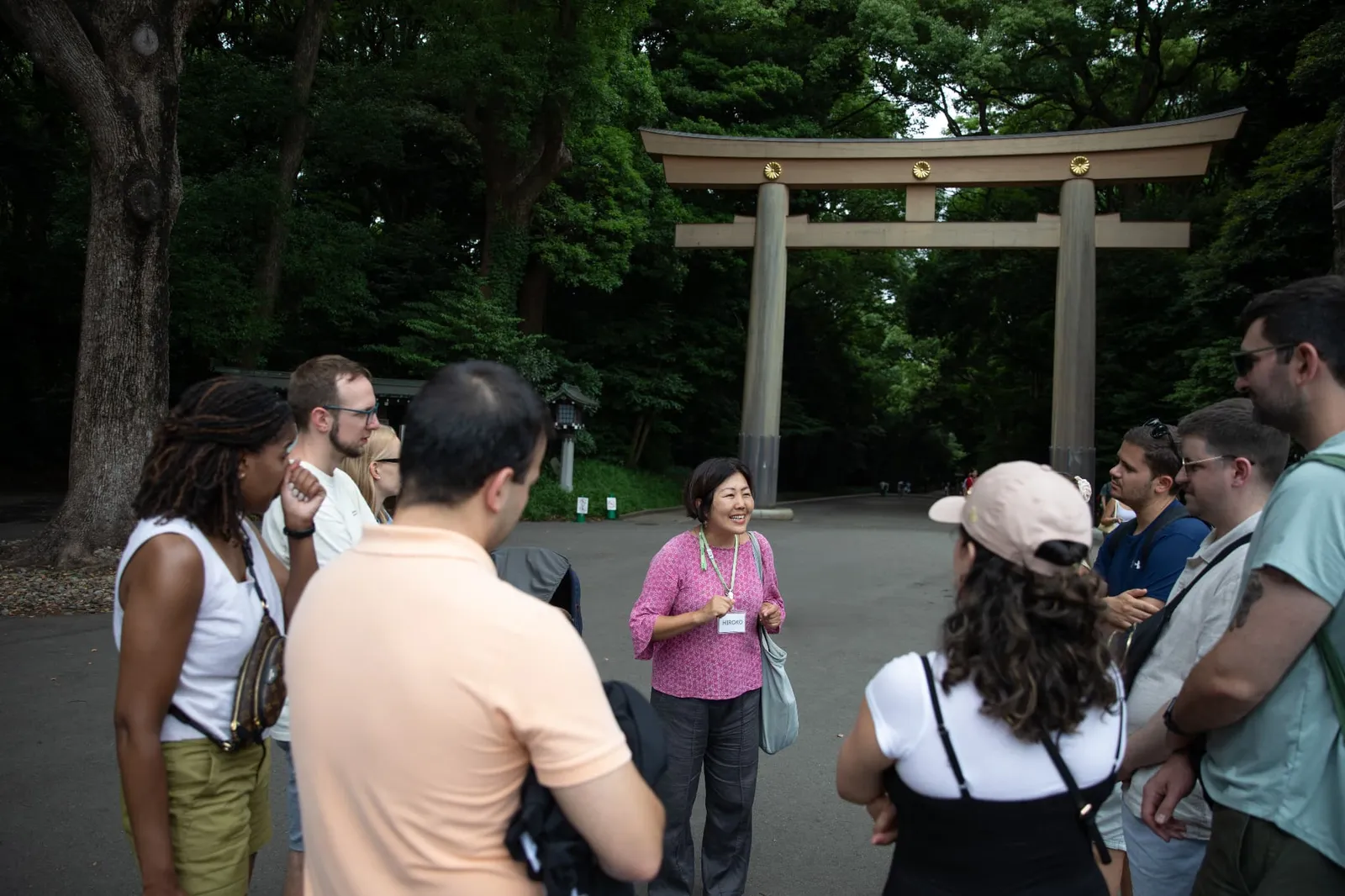
This small-group tour (up to 12 people) takes you on a roughly two-hour walk around Meiji Jingu Shrine and the Harajuku area with an English-speaking guide.
At Meiji Jingu, you'll learn about the shrine's history, Shinto, and Japan's modernization. From there, you'll head to Takeshita Street and Omotesando to find out how Harajuku became a hub of fashion and youth culture.
The torii gates, the approach path, and even the shops lining the streets each have a story to tell. Ask your guide about anything that catches your eye as you explore both the forest and the city.
*The itinerary described here is just an example. The order of stops and time spent at each may vary depending on conditions on the day.

First, Meet Your Guide at the West Exit of JR Harajuku Station
The meeting point is near the Meiji Jingu entrance by the West Exit of JR Harajuku Station. Please check the exact spot in the confirmation email you'll receive after booking.
Once you've met your guide, you'll set off toward the shrine's approach path. Towering trees begin just steps from the station, and the scenery quickly shifts away from Harajuku's busy streets.

Pass Through the Torii and See the Forest Path and Offering Barrels
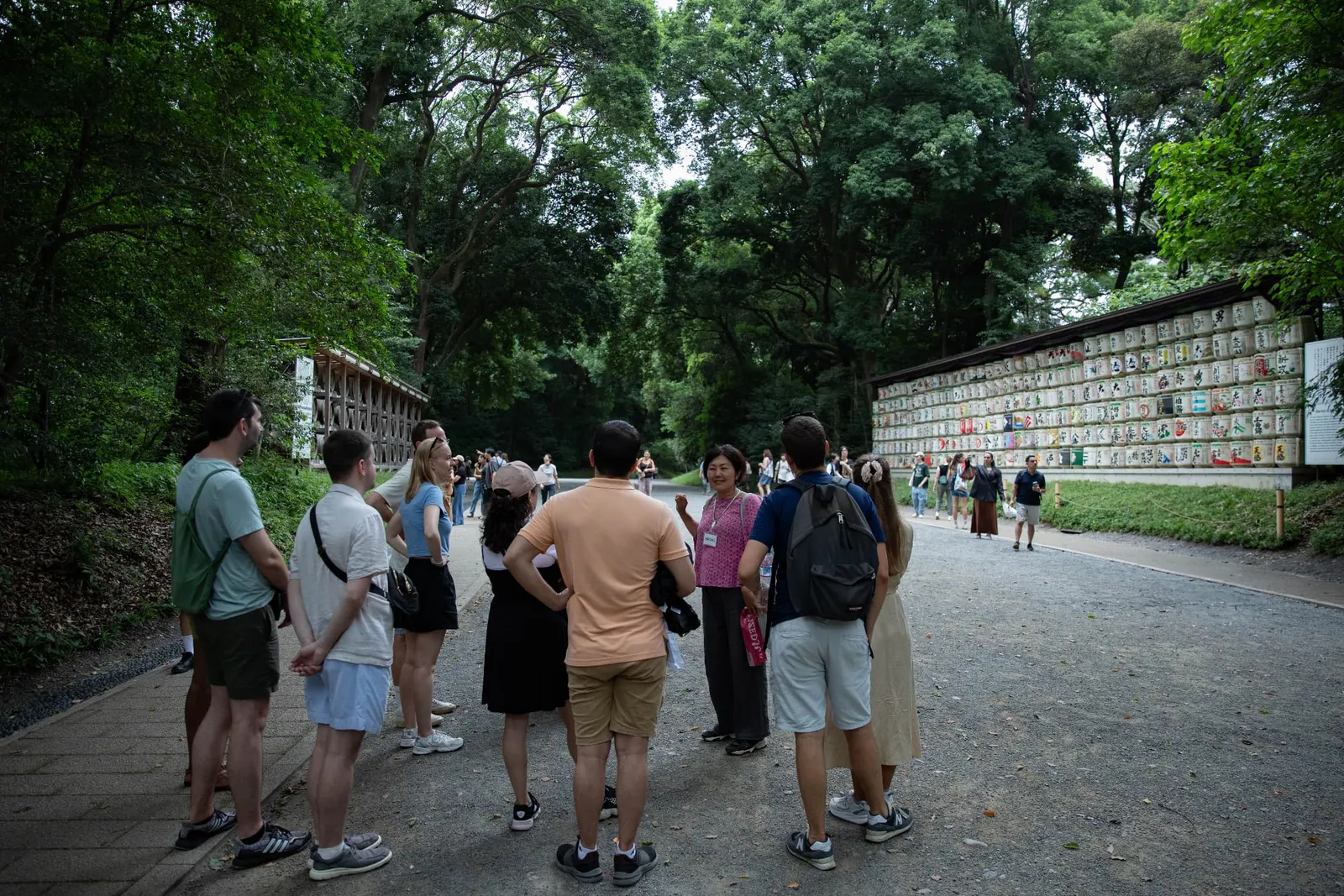
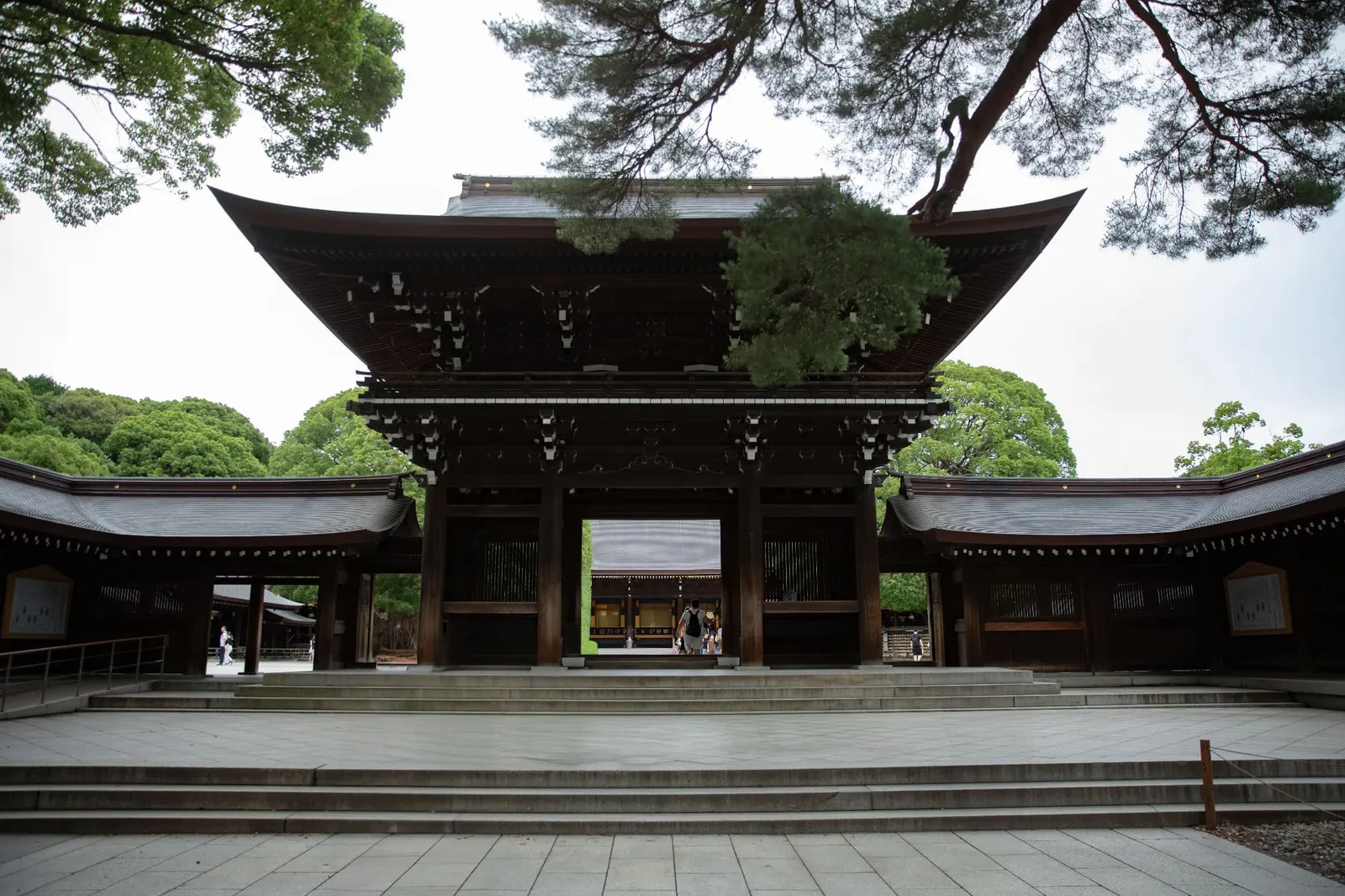
Step through the torii gate at the entrance to Meiji Jingu and stroll along the forested approach path. Who is enshrined here, and what does a torii gate actually mean? Your guide will walk you through the basics of shrines and Shinto as you go.
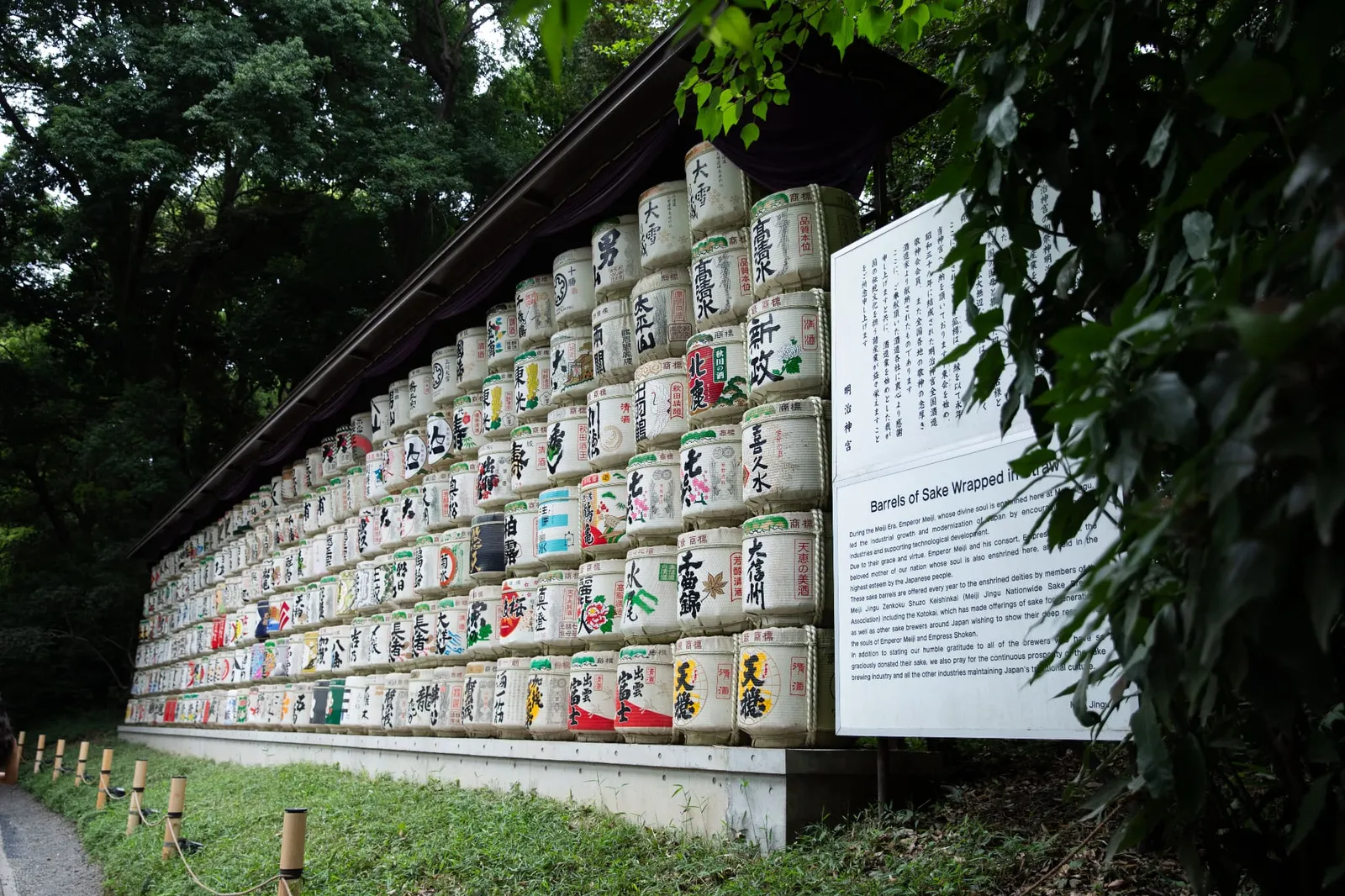
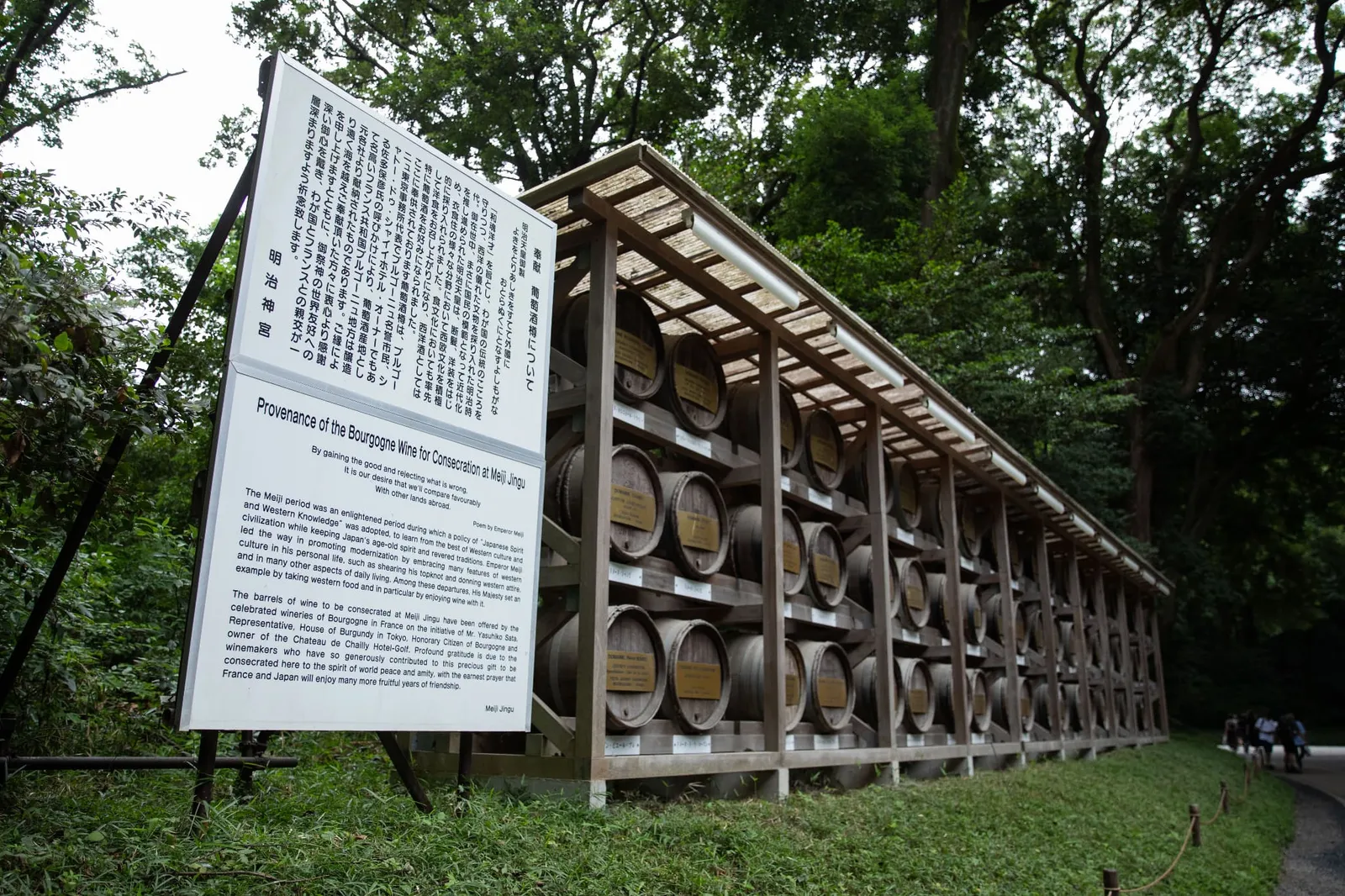
Lining the path are barrels of sake donated from breweries all over Japan. Directly across from them stand wine barrels from Burgundy, France.
The wine barrels honor Emperor Meiji, who was fond of Western cuisine and wine. Right in front of you, you can see how Japanese tradition and Western culture came together.
Next, Learn About the Shrine's History and Shinto at the Main Hall
Continue along the path into the shrine grounds where the main buildings stand. Meiji Jingu is dedicated to Emperor Meiji and Empress Shoken. Through your guide's explanations, you'll learn how the shrine came to be and how it connects to Japan's modern history.
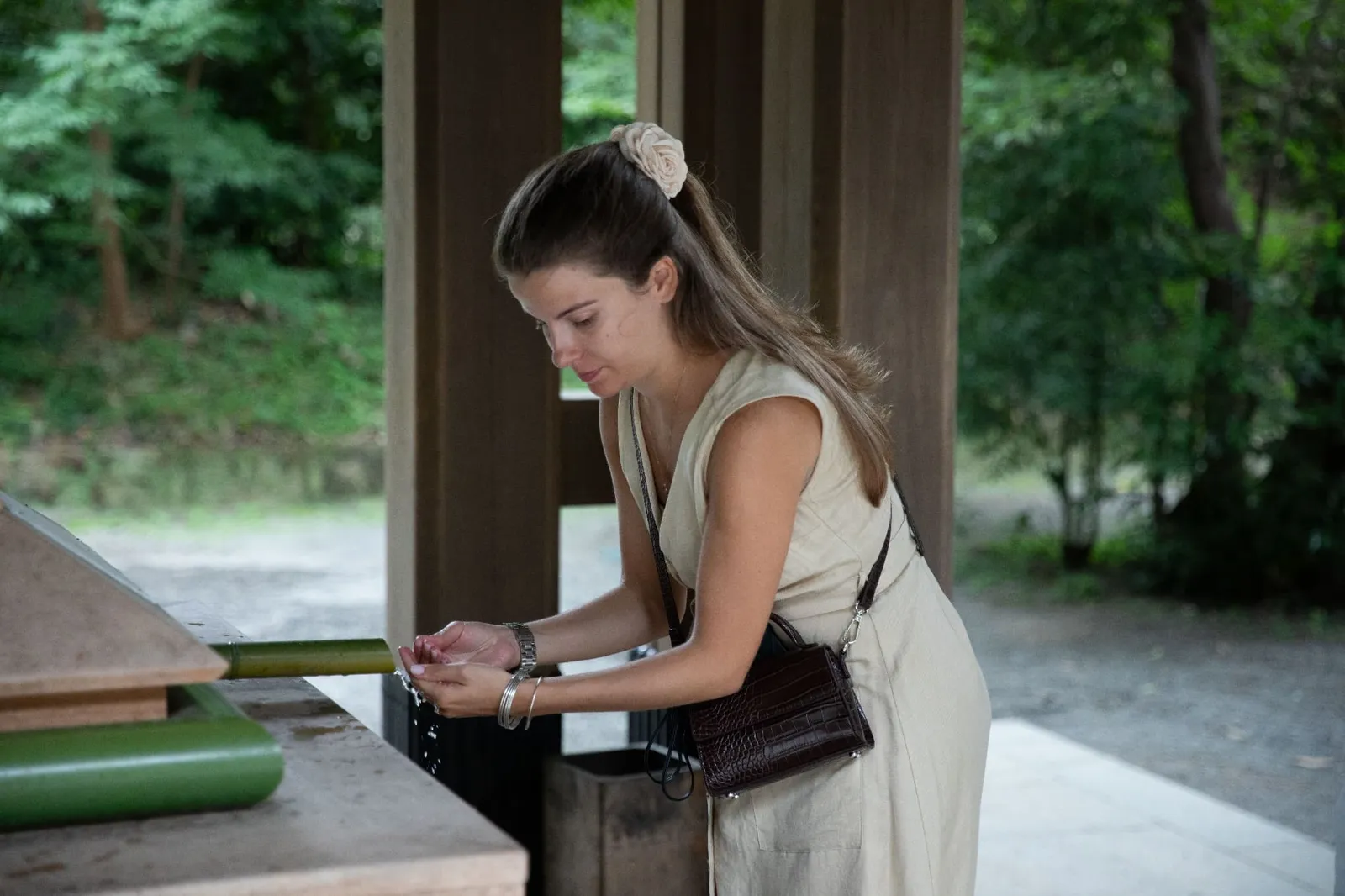
If it's your first time visiting a shrine, it's a great chance to ask about the purification ritual at the water basin and how to pray. You'll learn the meaning behind gestures you'll see at shrines all over Japan.
Leave the Forest and Dive into Harajuku's Youth Culture on Takeshita Street
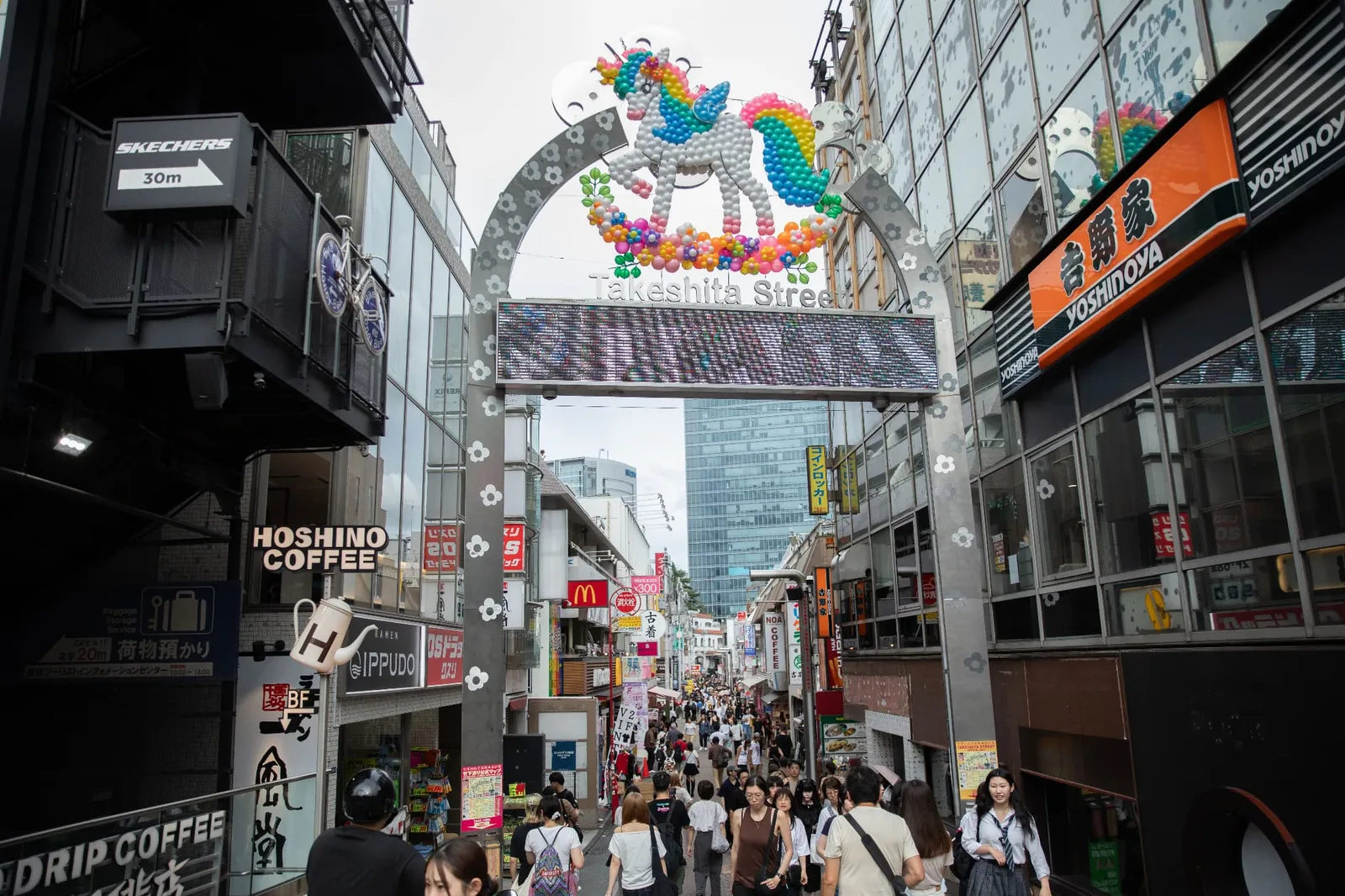
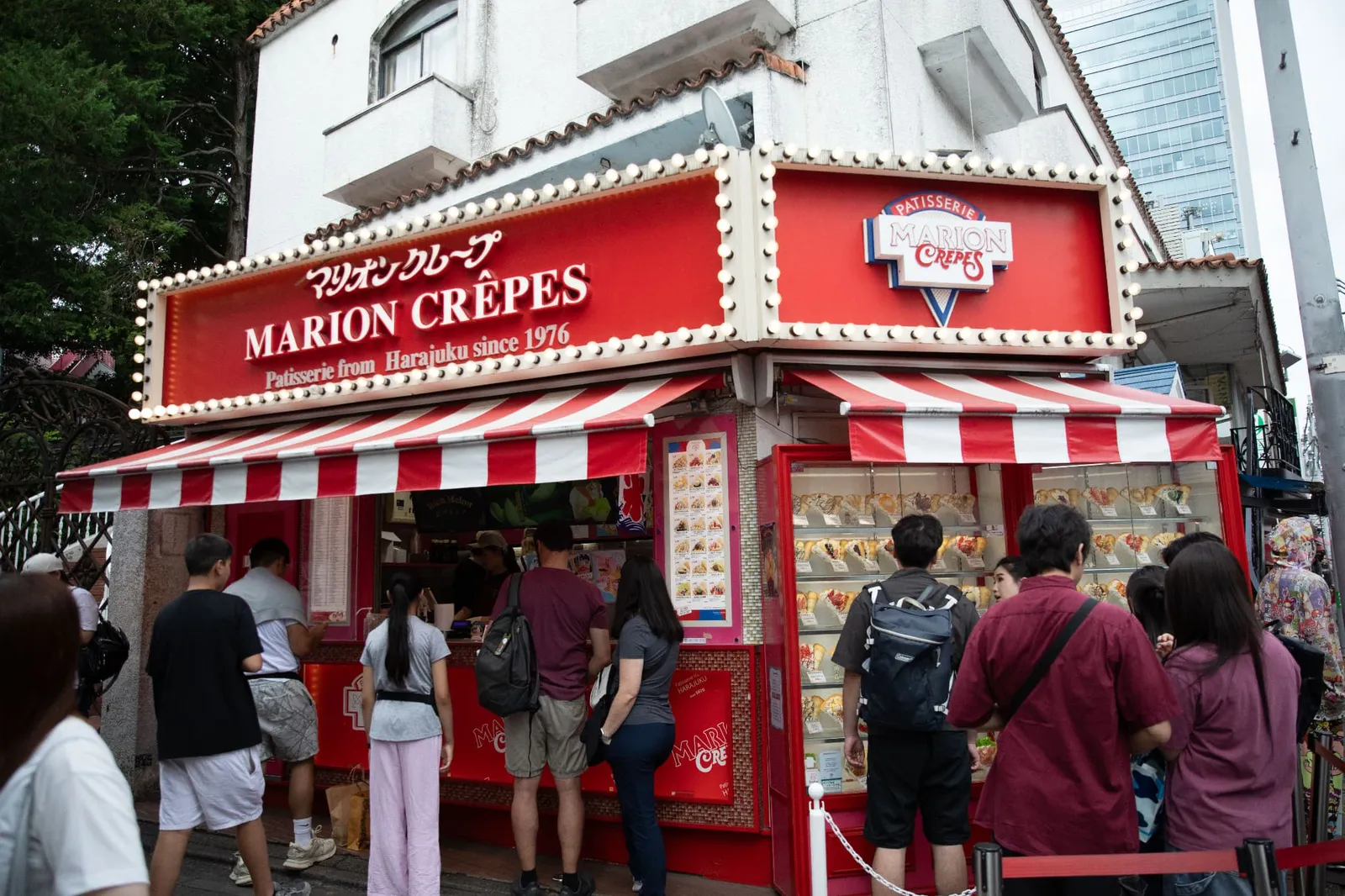
After leaving Meiji Jingu, you'll head to Takeshita Street. Packed with fashion boutiques, novelty shops, and crêpe stands, it's a dramatic change of scene from the tranquil forest path.
As you take in the eye-catching outfits and colorful storefronts, your guide will explain how Harajuku grew into a trendsetting center of youth culture. Once you know the backstory, the shop signs and street scenes may look quite different.
If a shop catches your eye, make a note of it to visit after the tour.

Finally, the Streets of Omotesando
The tour wraps up around Omotesando. Highlights include spots that showcase today's Harajuku, such as Tokyu Plaza Harajuku "Harakado."
From the forest of Meiji Jingu to Takeshita Street and Omotesando, you'll see firsthand how Japan's history and contemporary culture sit side by side, all within walking distance.
After the roughly two-hour tour, you're free to keep shopping or grab a bite in Harajuku or Omotesando. Please check the exact end point in the information you receive after booking.

FAQ
■ How long is the tour, and what language is it in? It's a walking tour of about two hours, guided in English, with a maximum of 12 participants.
■ What times are available? The booking page lists sessions from 9:00 to 11:00 and from 12:30 to 14:30. Please check the booking page for available slots on your date.
■ Where is the meeting point? Near the Meiji Jingu entrance at the West Exit of JR Harajuku Station. Please see your confirmation email after booking for the exact location.
■ Can I join with a wheelchair or stroller? Yes, you can. If you have specific questions about getting around, please get in touch before booking.
■ What should I wear? There's no particular dress code. Since you'll be walking outdoors, wear comfortable shoes and clothing suited to the weather.
■ Does the tour run in the rain? Yes, it runs in normal rain. Please bring rain gear as needed.
■ Are food and shopping costs included? No. This is a walking tour focused on learning about history and culture with a guide. Please budget separately for any food, drinks, or shopping.
Things to Check Before Booking
- Your tour date and time, and the meeting point in your confirmation email
- English-language guiding and about two hours of walking
- Comfortable shoes, weather-appropriate clothing, and rain gear
- Participation requirements, cancellation deadline, and refund policy
Prices, times, and tour details are subject to change. Please check the latest information before booking.
Summary
What do the torii gates at Meiji Jingu mean? How did Harajuku become a center of youth culture? Walking with a guide and asking questions, you'll notice places you might otherwise walk right past.
After the forest path, head on to Takeshita Street and Omotesando. Why not spend two hours discovering shops you love and setting yourself up for more Harajuku exploring?
Book here: Harajuku & Meiji Jingu Walking Tour
Cultural Experiences in Tokyo
Tokyo Harajuku & Meiji Shrine Walking Tour | English Guide, About 2 Hours
Check the booking page for the latest schedules, prices, and plan details.