[Tokyo] Small-Group History Walking Tour of the Imperial Palace East Gardens | Edo Castle Ruins and Tales of the Shoguns in 2 Hours
A small-group walking tour of about 2 hours through the Imperial Palace East Gardens with an experienced guide, exploring the ruins of Edo Castle and its historic structures. Follow the story of the Tokugawa shoguns and the Imperial family while discovering how the city transformed from Edo into modern-day Tokyo.
Published:
Content verified by the operatorPhotos courtesy of Fantasy Travel Japan
This page contains affiliate links.
Prices and ratings are as of 2026.09.17. Please check the booking page for the latest details.
BEFORE YOU BOOK
4 Things to Know Before Booking
- 01Walk through the ruins of Edo Castle and surviving structures from the Edo period
- 02Hear historical stories and behind-the-scenes tales about the Tokugawa family and the shoguns from your guide
- 03Learn about the history of the Imperial family and the cultural background surrounding the Imperial Palace
- 04A small-group tour of about 2 hours through the publicly accessible Imperial Palace East Gardens
BEST FOR
Who This Experience Is Best For
- 01
Those who want to dive deep into the history of Edo Castle and the Tokugawa family
Explore the tenshudai stone foundation and surviving turrets and guardhouses with a specialist guide's commentary, including stories you won't find in guidebooks.
- 02
Those who prefer to avoid large tour groups
With a cap of 12 people (usually under 8), it's easy to hear the guide's explanations and ask questions up close.
- 03
Those who want to make the most of a half-day in Tokyo
At about 2 hours, you can efficiently explore the East Gardens in the heart of the city, with easy access afterward to Marunouchi and Tokyo Station.
When to Compare Other Options
This experience is ideal for anyone who wants to understand, on foot, how Tokyo transformed from the city of Edo.
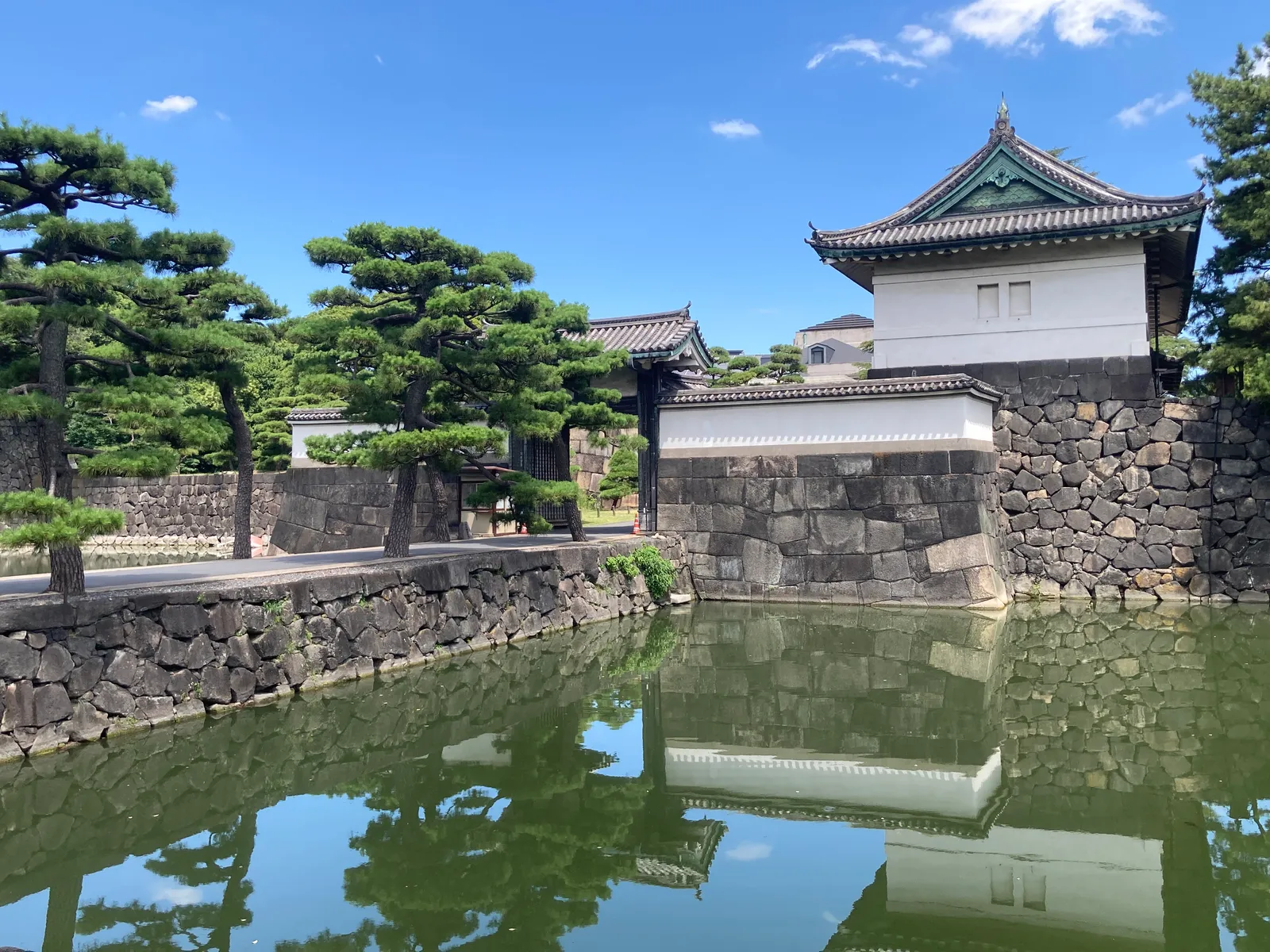
Passing Through the Ote-mon Gate, Into the Heart of Edo Castle
The tour begins at the Imperial Palace East Gardens, entering the castle grounds through a gate dating back to the Edo period. The white-walled guardhouse-style building standing beside the moat, with pine trees reflected on the water's surface, offers a stillness that feels far removed from the office towers of Marunouchi just steps away.
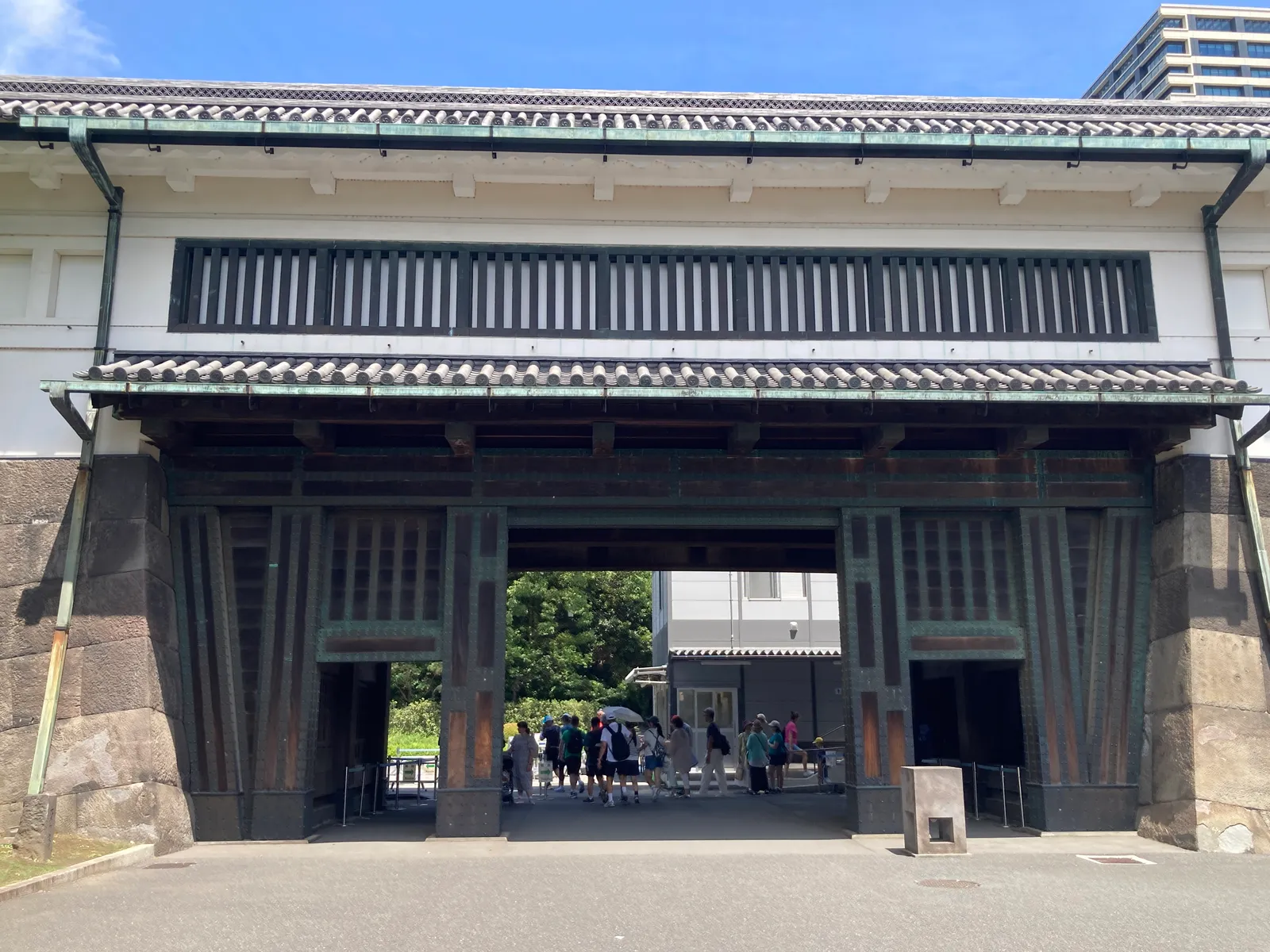
The gate's thick wooden pillars and copper-reinforced doors are themselves a record of Edo Castle's defensive philosophy. The guide explains the meaning behind these structures, along with the status and roles of the people who once passed through this gate.
The tour lasts about 2 hours, and being small-group, you can ask questions on the spot. It's a chance to grasp, right from your first steps, the sense that Tokyo was once Edo.
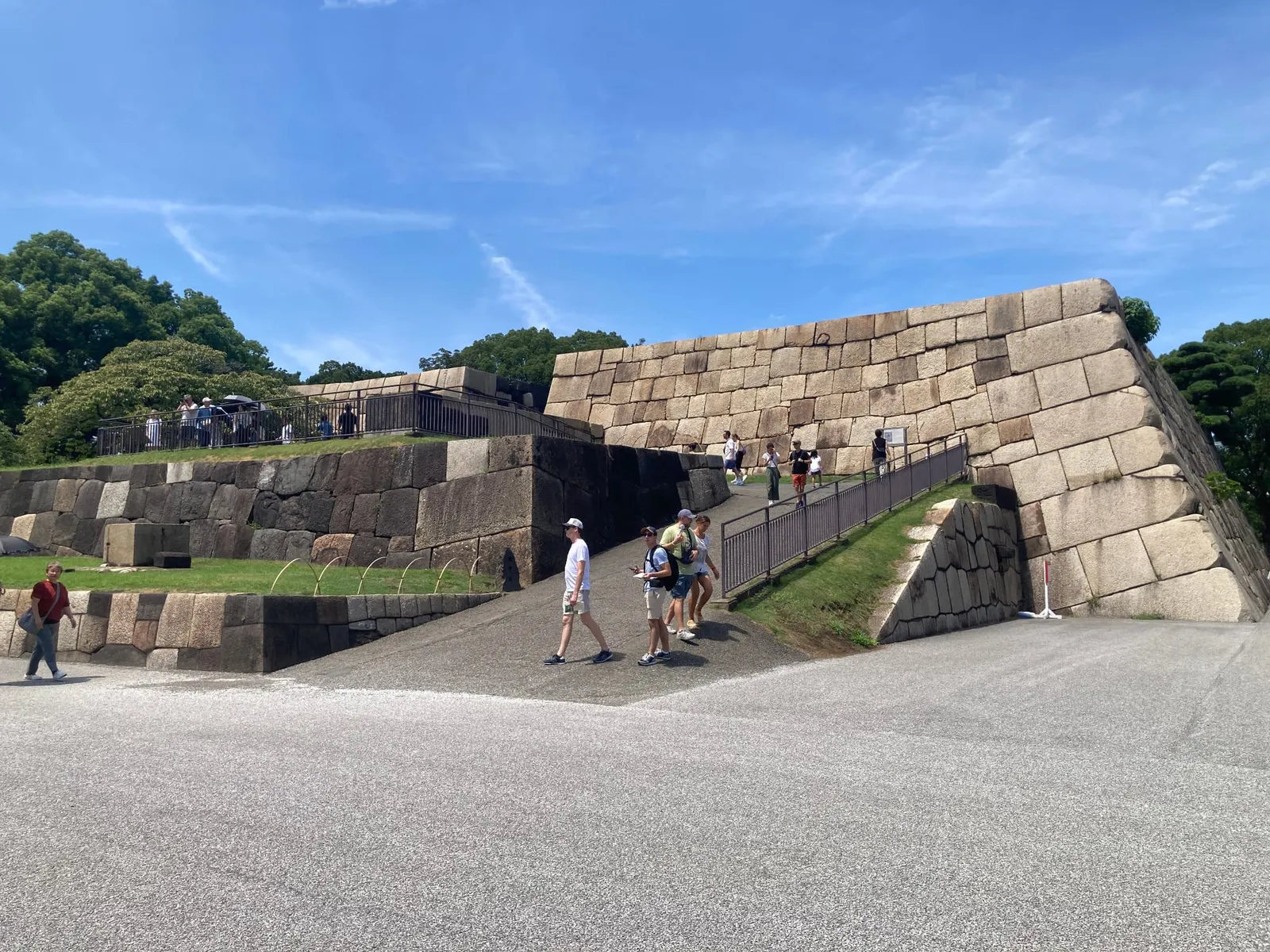
Looking Up at the Tenshudai Stone Foundation, Imagining the Lost Castle Keep
One of the tour's highlights is the massive stone foundation, known as the tenshudai, that once supported Edo Castle's main keep. Up close, each meticulously stacked granite block is roughly the height of a person, and you can walk up the slope to the top of the platform.
Why was the castle keep never rebuilt? What decisions did the shogunate make? The stones themselves are silent, but the guide brings to life the layers of circumstance surrounding the Tokugawa family.
From the top, you can look out over the wide lawns of the former Honmaru (main enclosure), imagining where the Ōoku (women's quarters) and palace buildings once stood.
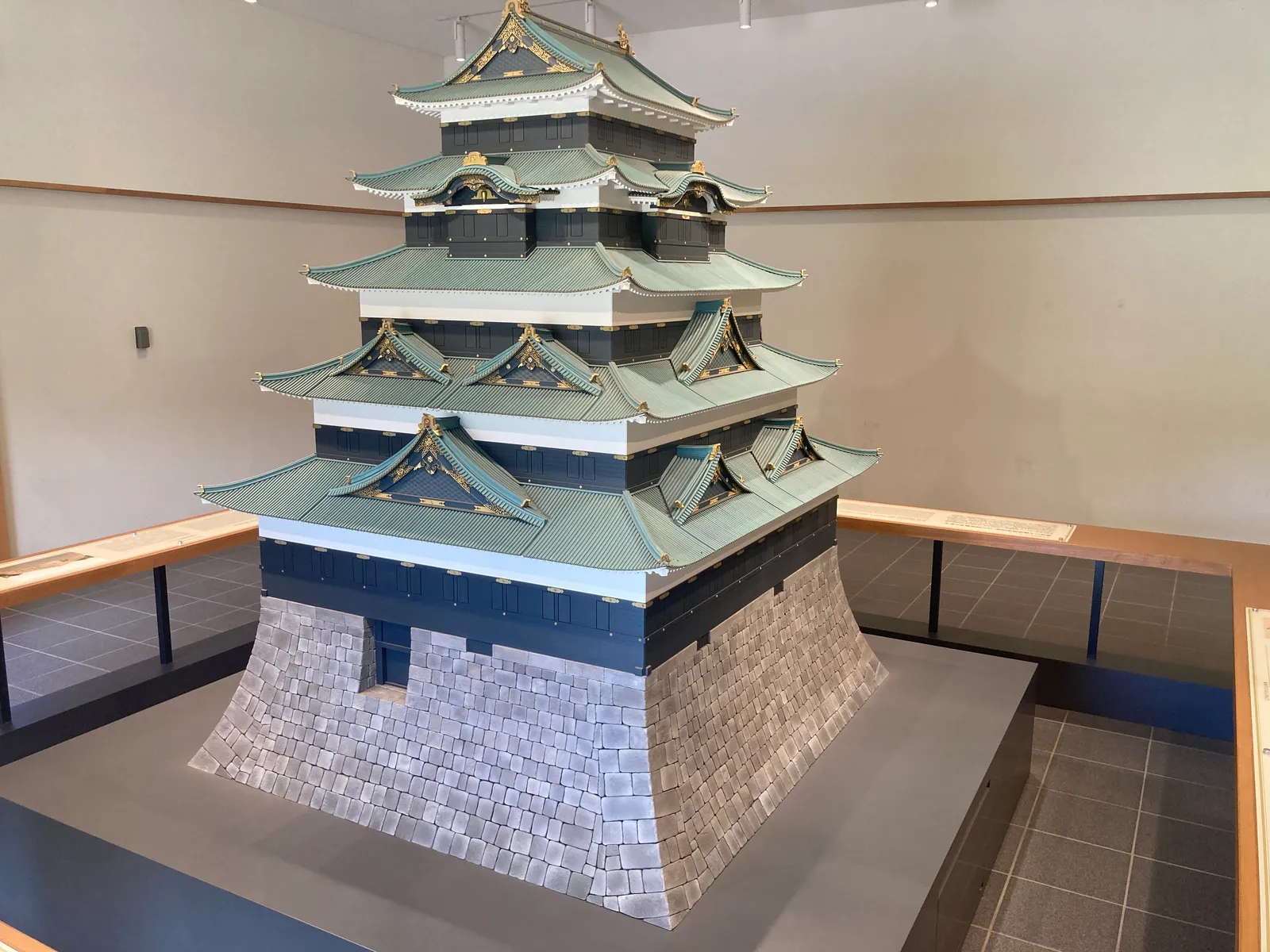
Fujimi Turret and Guardhouses: Architecture from the Age of the Shoguns
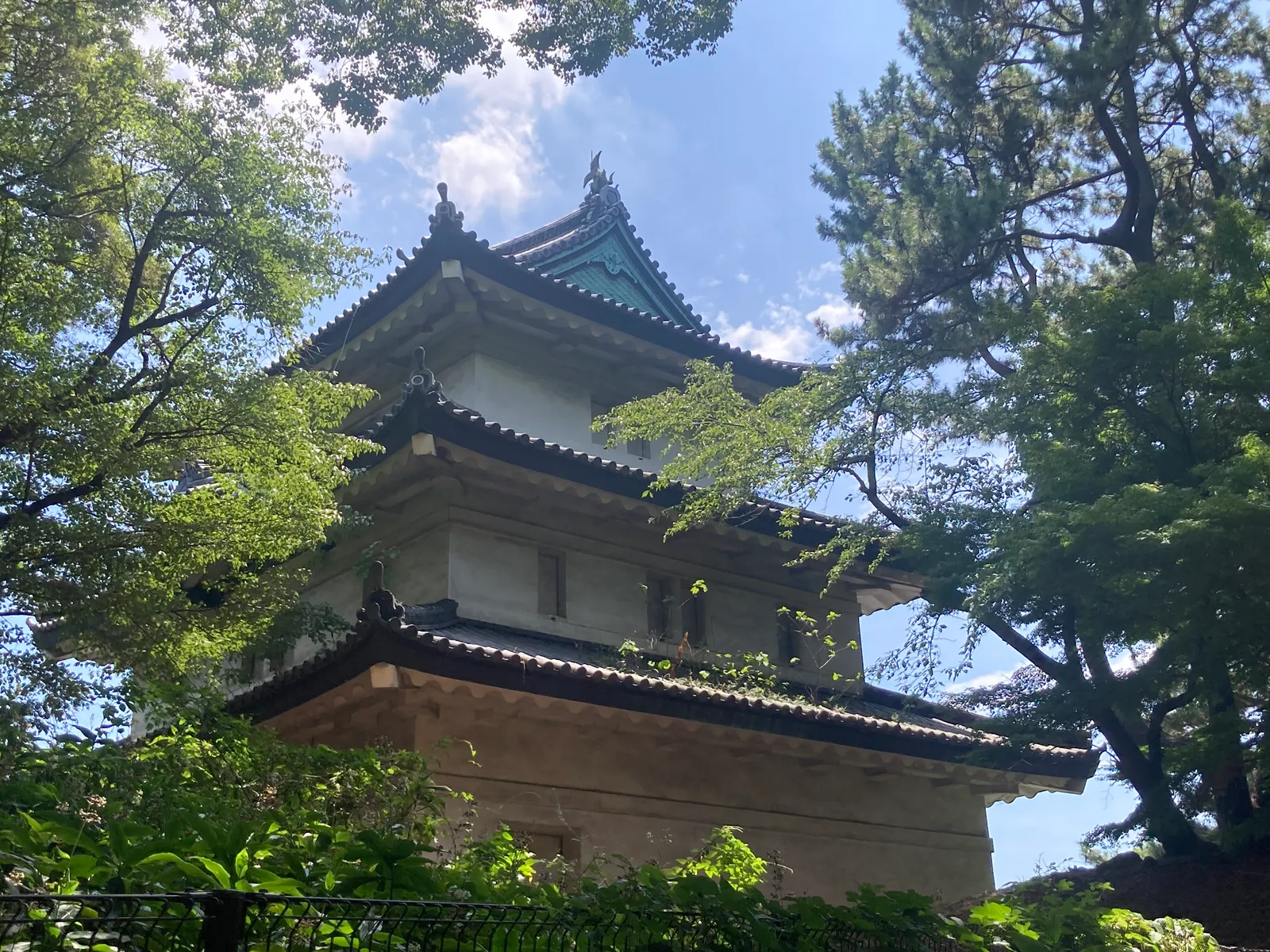
The East Gardens still preserve structures that date back to the Edo period. A three-story turret standing amid the greenery can be seen through the trees, its white walls, tiled roof, and verdigris-covered ridge ornaments catching the eye.
These turrets and guardhouses served not only as part of the castle's defenses but also reflect the status system and protocols of the time. The guide points out the highlights of the buildings while sharing stories of the daily lives of those who once worked there.
It's also a photogenic spot, where dappled sunlight contrasts beautifully with the white walls.
Pausing by the Pond and Koi in the Ninomaru Garden
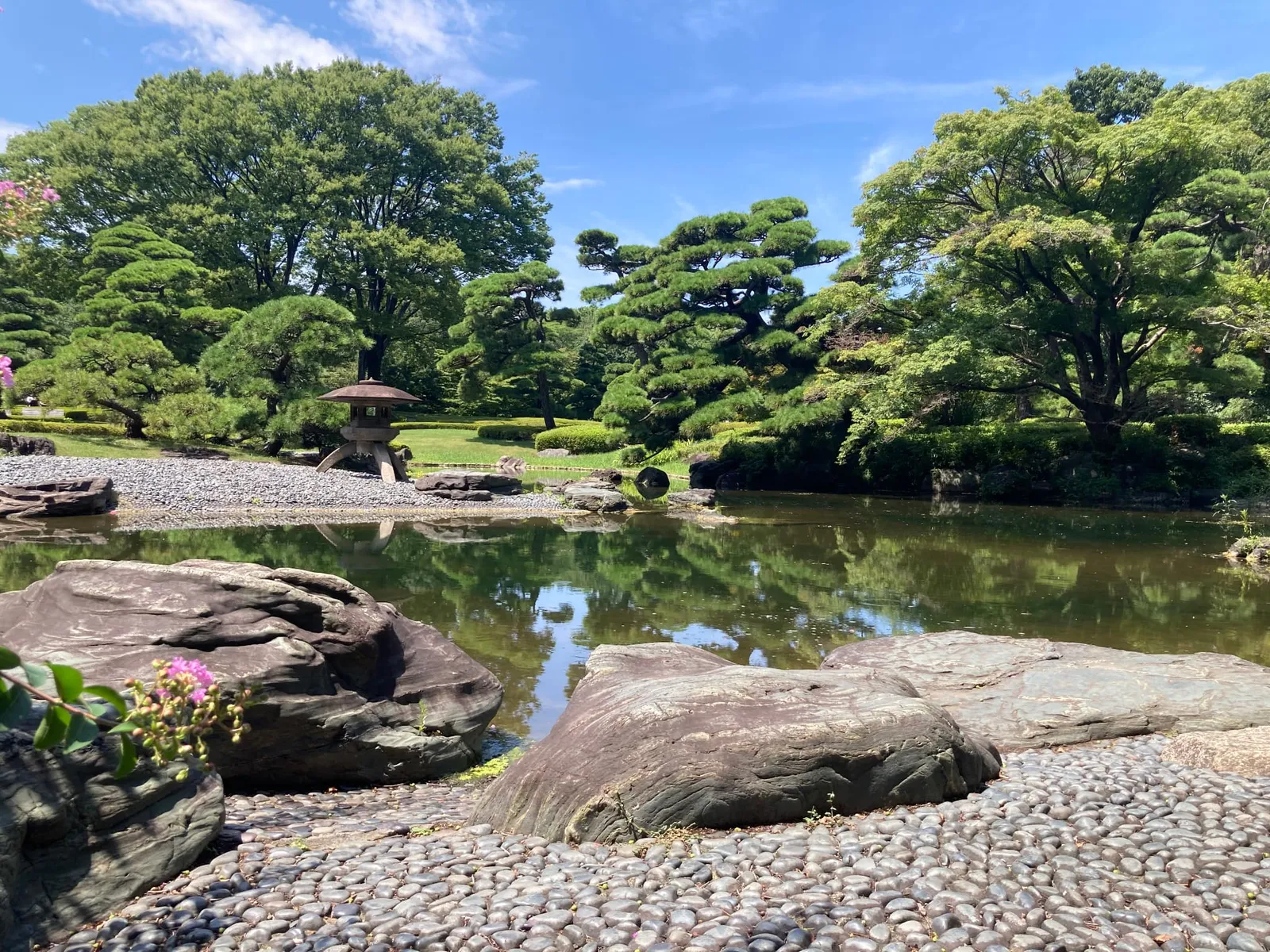
After exploring the castle ruins, a slower pace awaits in the Japanese garden of the Ninomaru (second enclosure). Stone lanterns stand by the pond's edge, and carefully tended pines and hedges are reflected on the water.
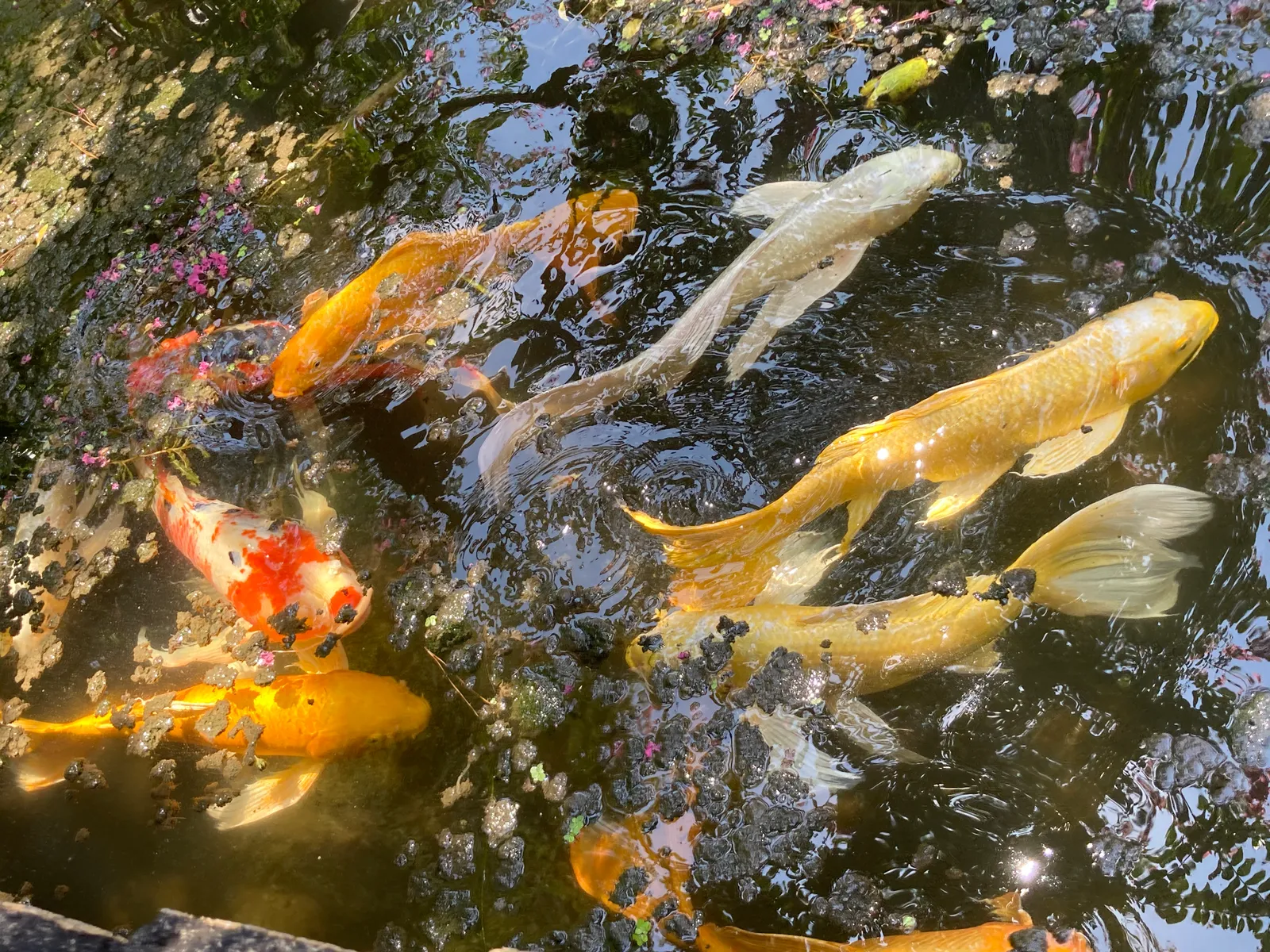
Peer into the pond and colorful koi may gather — a perfect spot to rest after all the walking. When seasonal flowers bloom, the arrangement of stone, water, and greenery becomes even more striking.
This place, once the shogun's castle in the Edo period, became the Imperial Palace as the eras changed. Around it now spreads the modern cityscape of Marunouchi and Tokyo Station, symbols of present-day Tokyo.
The tour goes beyond simply viewing buildings and stone walls — through the guide's explanations, you'll trace how the city that grew around Edo Castle evolved into the Tokyo of today.
After the Tour: Finding Imperial-Themed Souvenirs
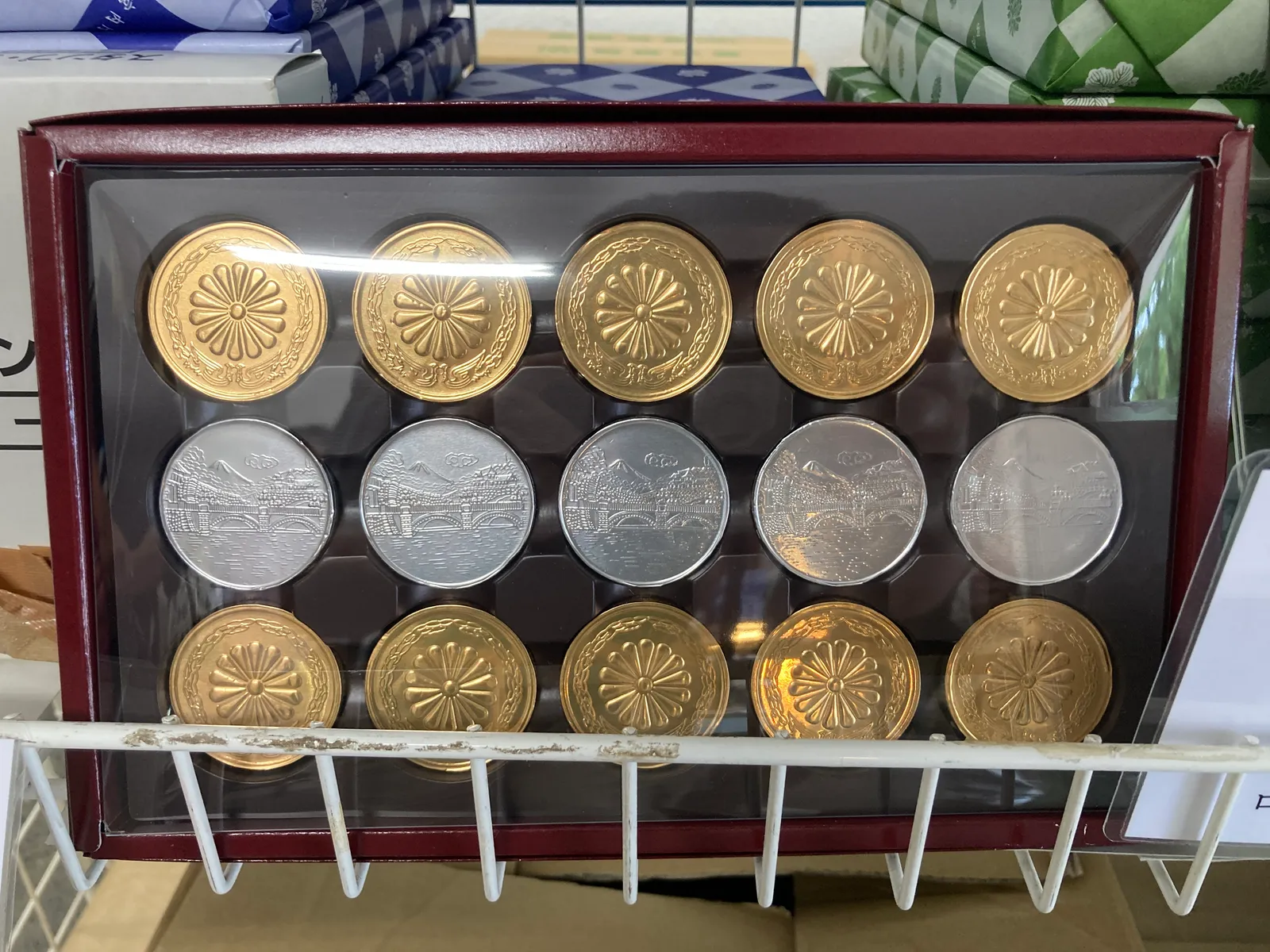
Nearby, you can find souvenirs themed around the Imperial Palace and its famous Nijubashi bridge. Round wafer cookies stamped with the chrysanthemum crest and tinned assortments decorated with photos of Nijubashi are popular, easy-to-carry choices.
Boxes lined with gold and silver wrapping look festive and make great gifts or travel keepsakes. After learning the history on the tour, the meaning behind the package designs takes on a new significance.
Please note that the shops and selection available may vary depending on the season, so check the current situation on the day of your visit.

Frequently Asked Questions
■ Can we enter buildings related to the Imperial family? This tour covers the publicly accessible Imperial Palace East Gardens and does not enter restricted areas. Admission to the Imperial Palace itself is not included.
■ How many people are typically in a group? Groups are limited to a maximum of 12 people, and usually run with fewer than 8. This keeps you close to the guide and makes it easy to ask questions.
■ How much walking is involved? The tour lasts about 2 hours, walking through the East Gardens. Please check the booking page for detailed itinerary information.
Things to Check Before Booking
- Tour language is English
- Meet and disperse on-site (no transportation included)
- Duration is approximately 2 hours
- Confirm the meeting point and start time in advance
- Admission inside the Imperial Palace itself is not included
- Wear comfortable walking shoes and weather-appropriate clothing
- Bring a hat and water in summer
- Check the East Gardens' closing days and opening status
- Review cancellation and change policies
- Confirm the latest pricing and plan details
Pricing, schedules, and itineraries may change depending on the season. Please check the latest information before booking.
Summary
This small-group walking tour of about 2 hours takes you through the Imperial Palace East Gardens with an experienced guide. Limited to 12 people (usually under 8), it lets you walk among the tenshudai stone foundation, surviving turrets, and the Ninomaru Garden while hearing the history of the Tokugawa family and the Imperial household.
As you walk the ruins of Edo Castle, you'll learn about the age of the Tokugawa shoguns, the history of the Imperial family, and how the city transformed from Edo into modern Tokyo. This experience is ideal for anyone who wants to connect Tokyo's history to its buildings and stone walls.
For details and availability, check this booking page.

Cultural Experiences in Tokyo
Tokyo: Small-Group Imperial Palace History Walking Tour
Check the booking page for the latest schedules, prices, and plan details.