Meiji Jingu History Walking Tour with an Expert Guide in Tokyo | Learn About Imperial Culture and Tokyo's History
Walk through Meiji Jingu Shrine with an expert guide and learn about imperial culture, the role of Shinto shrines, and Tokyo's history from the modern era through the postwar period. Discover why Meiji Jingu is such a special place as you explore its sacred forest and main shrine buildings. The plan with food tasting also includes limited-edition sweets and drinks after your visit.
Published:
Content verified by the operatorPhotos courtesy of Fantasy Travel Japan
This page contains affiliate links.
Prices and ratings are as of 2026.09.17. Please check the booking page for the latest details.
BEFORE YOU BOOK
4 Things to Know Before Booking
- 01Learn why Meiji Jingu is such a special place, alongside its history
- 02An expert guide clearly explains imperial culture and the role of shrines
- 03Trace Tokyo and Meiji Jingu's shared journey from the modern era through the postwar period
- 04The food-inclusive plan lets you enjoy exclusive sweets and drinks after your visit
BEST FOR
Who This Experience Is Best For
- 01
Those who want to worship with an understanding of the historical background
An expert guide explains imperial culture, the role of Shinto shrines, and Tokyo's history from the postwar era onward—context you wouldn't discover walking alone.
- 02
Those who want a quiet moment during their stay in Tokyo
A vast forest spreads out just steps from Harajuku Station, and simply walking the gravel approach offers a refreshing change of pace.
- 03
Those who want to try limited-edition traditional sweets
After your visit, enjoy traditional sweets and drinks available only at Meiji Jingu, along with time to discuss history with your guide.
When to Compare Other Options
This experience suits those who want to truly understand one of Tokyo's most iconic sites, rather than simply sightsee.
As You Cross Jingu Bridge, the Sounds of the City Fade Away
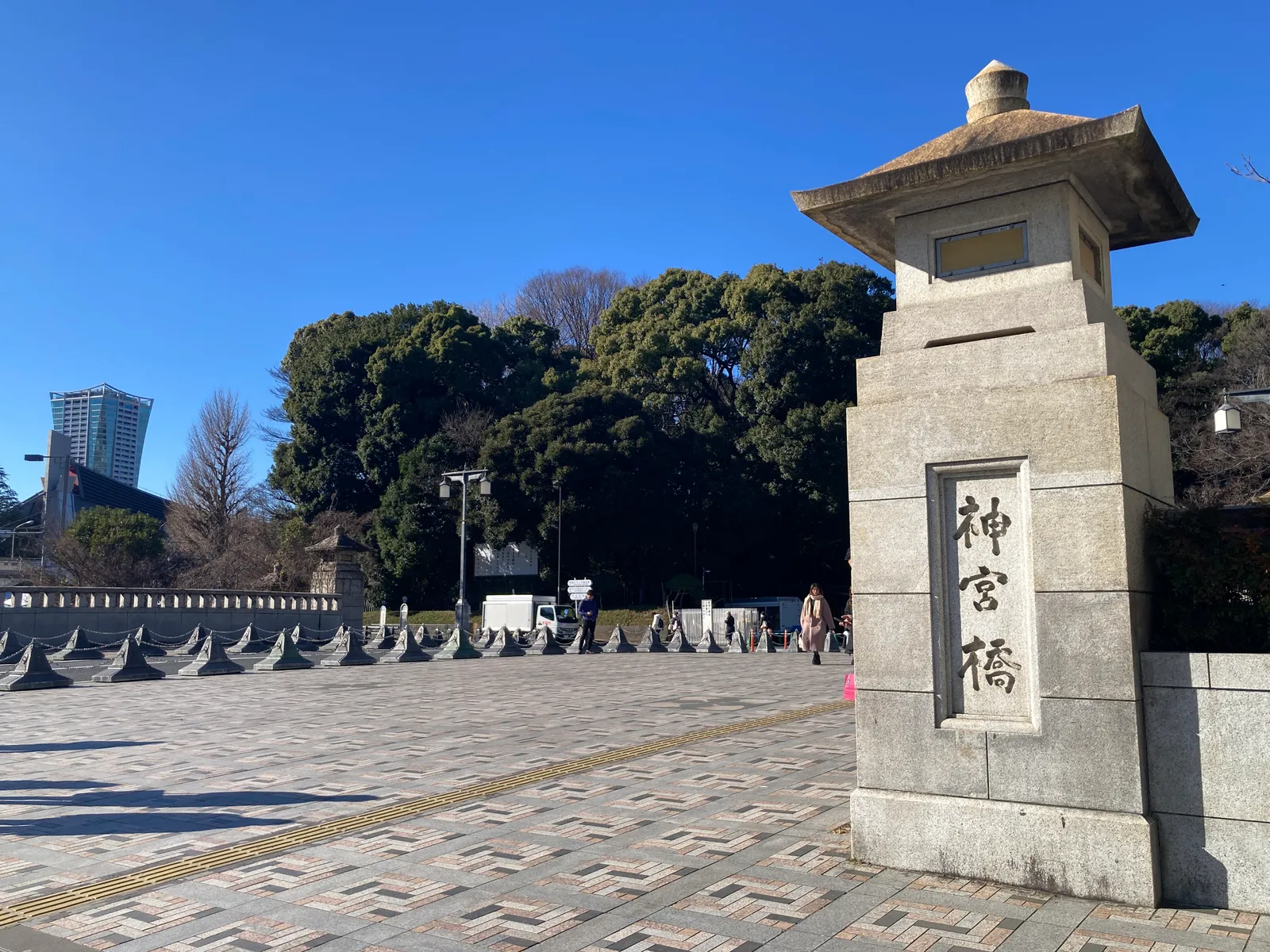
The tour begins at "Jingu Bridge," just a short walk from Harajuku Station. As you cross the bridge, glancing at the characters carved into the stone pillar, a deep green forest comes into view ahead—a striking contrast to the skyscrapers behind you.
Crossing Jingu Bridge toward the Harajuku entrance of Meiji Jingu, you can receive "Omigokoro," waka poems composed by Emperor Meiji and Empress Shoken. Your expert guide will explain that this forest is not a natural woodland but a sacred grove (chinju no mori) cultivated by human hands from trees donated from across Japan, and will share the story behind the shrine's founding to honor Emperor Meiji and Empress Shoken.
First, you'll learn how Tokyo became the city it is today. In just a few minutes before entering the main approach, you'll gain a perspective on why this place is so special—setting the tone for the walk ahead.
The Forest That Survived the War, and the Shrine That Was Rebuilt
Meiji Jingu was founded in 1920. Though it's now enveloped in deep forest, its history has been far from smooth.
In the air raids of 1945, much of the shrine's structures were destroyed by fire, but the forest—grown from trees donated from across Japan at the time of its founding—survived. The main shrine buildings were rebuilt in 1958, in the postwar years.
Looking at the main shrine buildings and forest before you today, you can trace how this place has been passed down through both the prewar and postwar eras. Walking with this understanding reveals why Meiji Jingu holds such a special place within Tokyo.
Learning About Imperial Culture While Walking the Gravel Approach
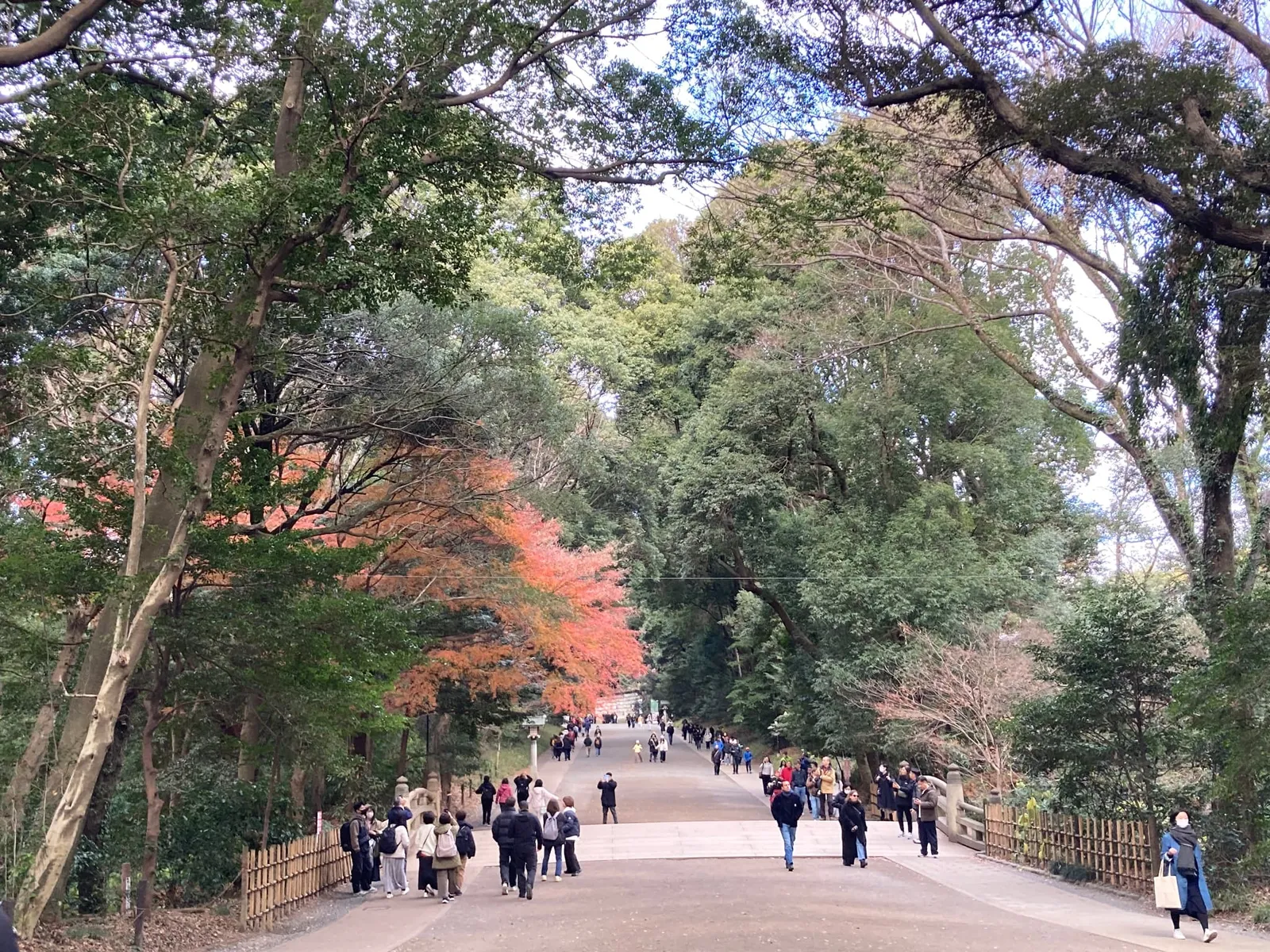
The approach to the shrine is a wide path covered in gravel, and depending on the season, autumn foliage peeks through the evergreen trees. The act of walking itself is the true highlight of this tour.
Through your guide's explanations, you'll learn about the role the imperial family has played throughout Japanese history and culture, and the function Shinto shrines have served. Rather than simply memorizing dates for a textbook, you'll walk the approach while hearing about the background that connects these events to Japanese culture today.
This is also a place many visitors come to pray for good relationships and good fortune, drawing large crowds from Japan and abroad throughout the year. Simply watching the flow of people as you walk becomes a way to feel the shrine's presence.
Passing Through the Great Torii Gate to the Main Shrine
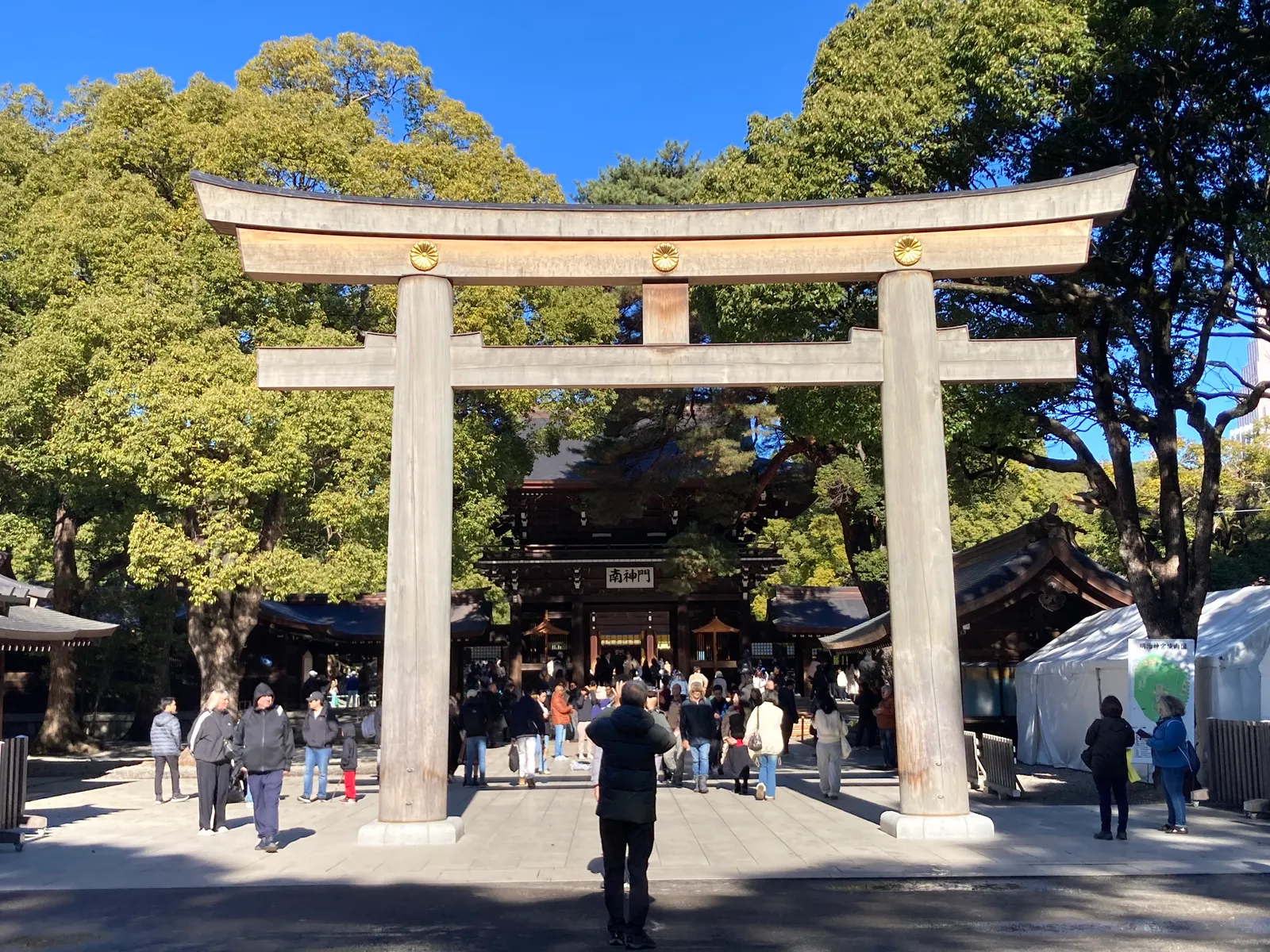
At the end of the approach stands a large wooden torii gate leading to the South Gate (Minami Shinmon). The golden chrysanthemum crest displayed on its pillars quietly signals that this is a shrine connected to the imperial family.
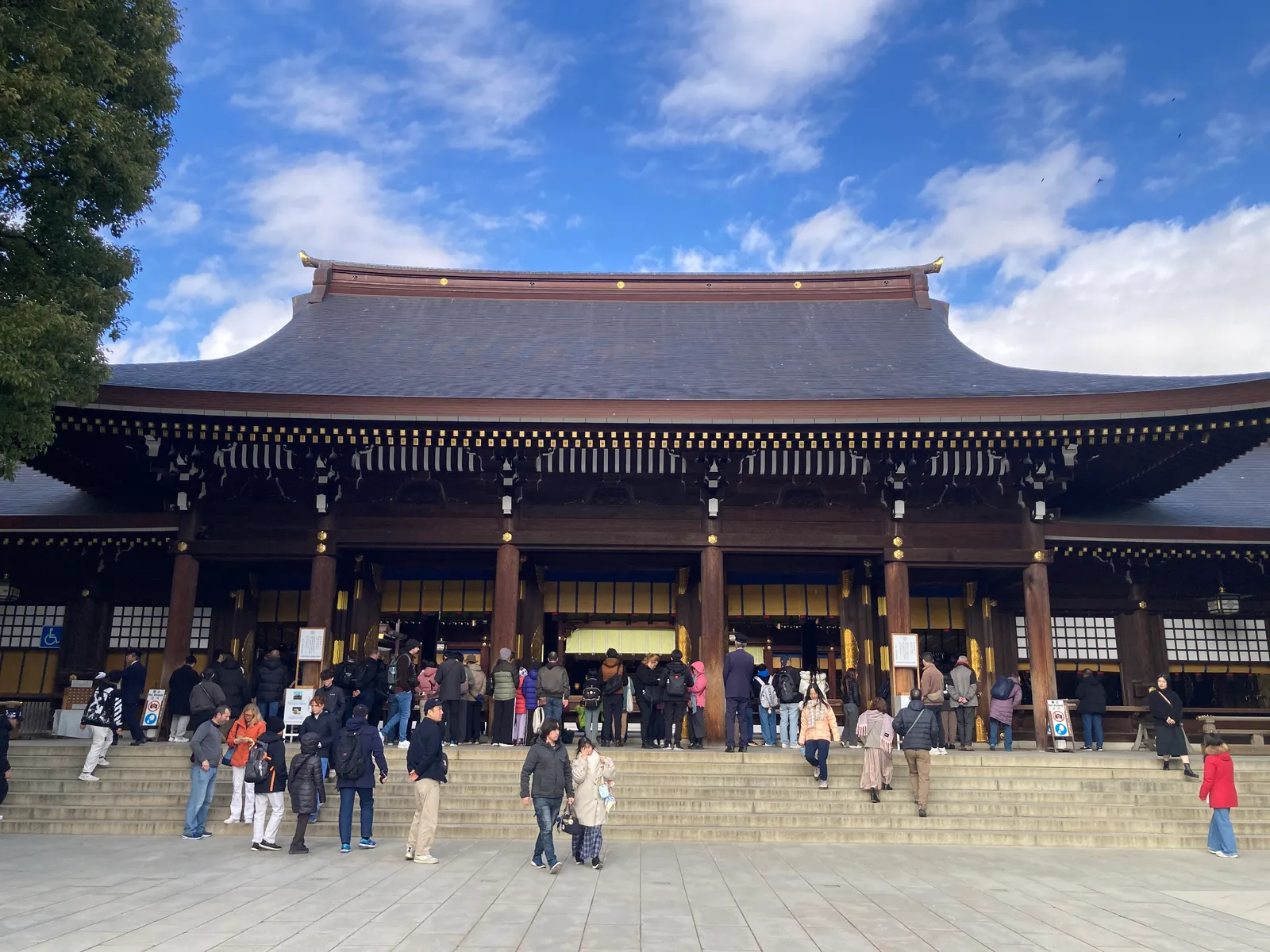
Passing through the gate, the main shrine buildings come into view—an imposing structure with a grandly curved roof and thick wooden pillars, with a line of worshippers extending before it. After learning the proper manner of worship from your guide, you'll offer your own prayer.
There is meaning in the details and layout of the buildings, and once you've heard the explanation, the same scenery looks different when you look up at it.
"Omigokoro": Fortune Slips That Don't Predict Fortune
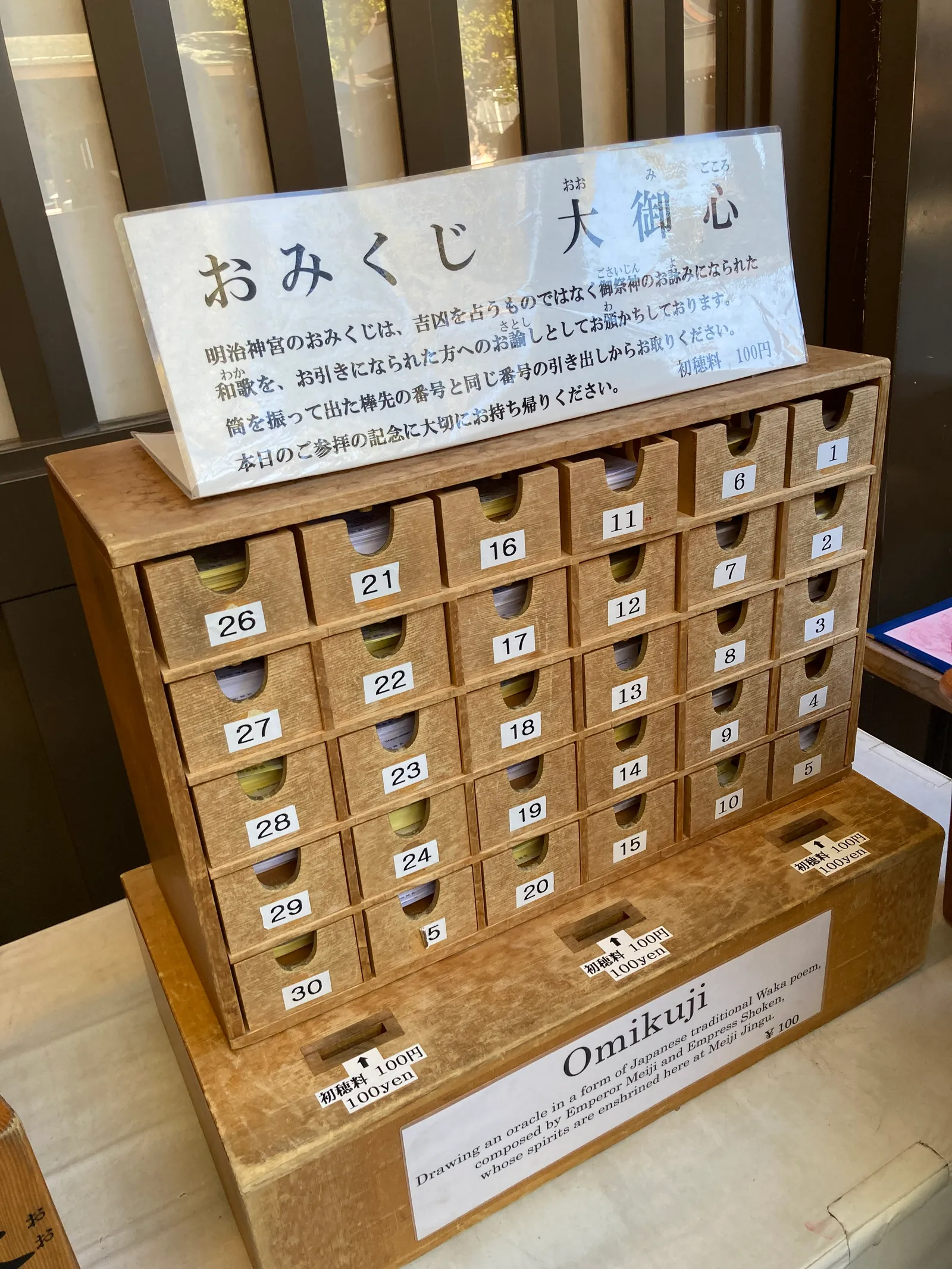
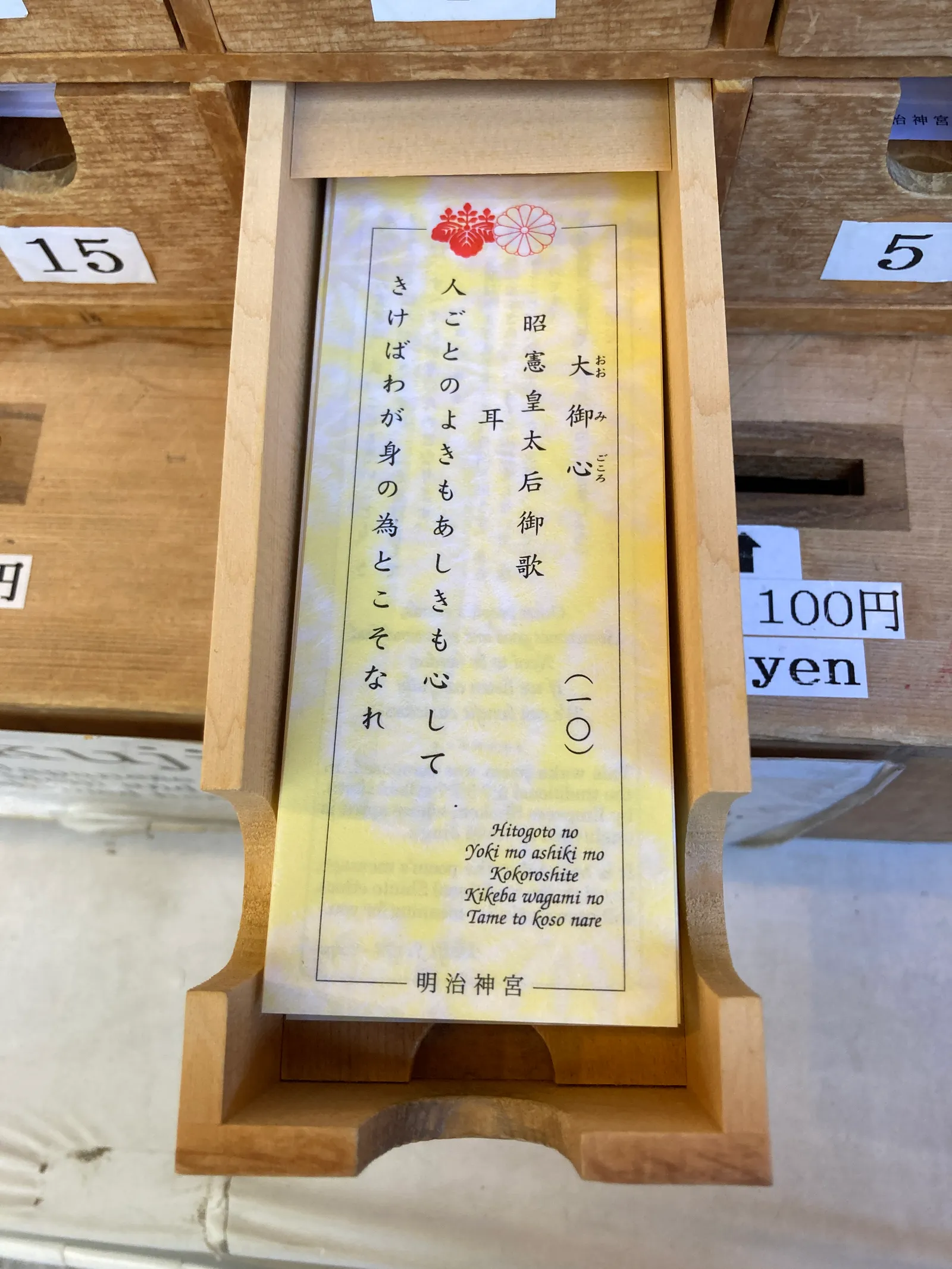
Meiji Jingu's unique omikuji (fortune slips), called "Omigokoro," don't tell your fortune in the usual sense—instead, you receive a waka poem composed by Emperor Meiji or Empress Shoken. The suggested offering is 100 yen.
Shake the container to draw a number, then take the corresponding slip of paper from the matching drawer. Each slip includes the poem, an explanation, its romanized reading, and an English translation—making it accessible even for visitors from overseas.
Rather than fretting over good or bad luck, you take the poem and reflect on how it relates to your own life. After hearing your guide's stories about imperial culture, this single sheet of paper carries a different kind of weight.
With the Food-Included Plan, Rest with Limited-Edition Sweets and Drinks After Your Visit
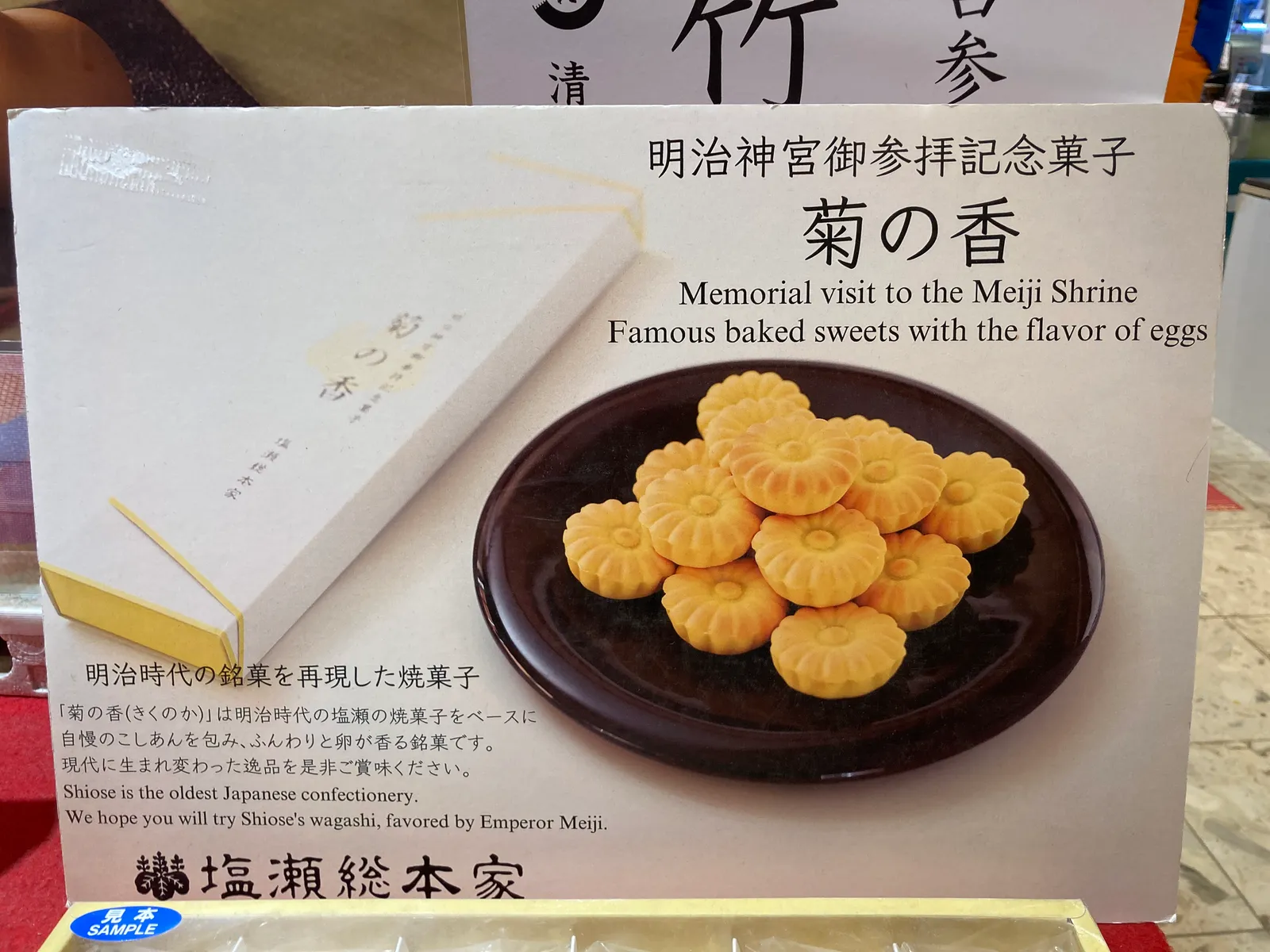
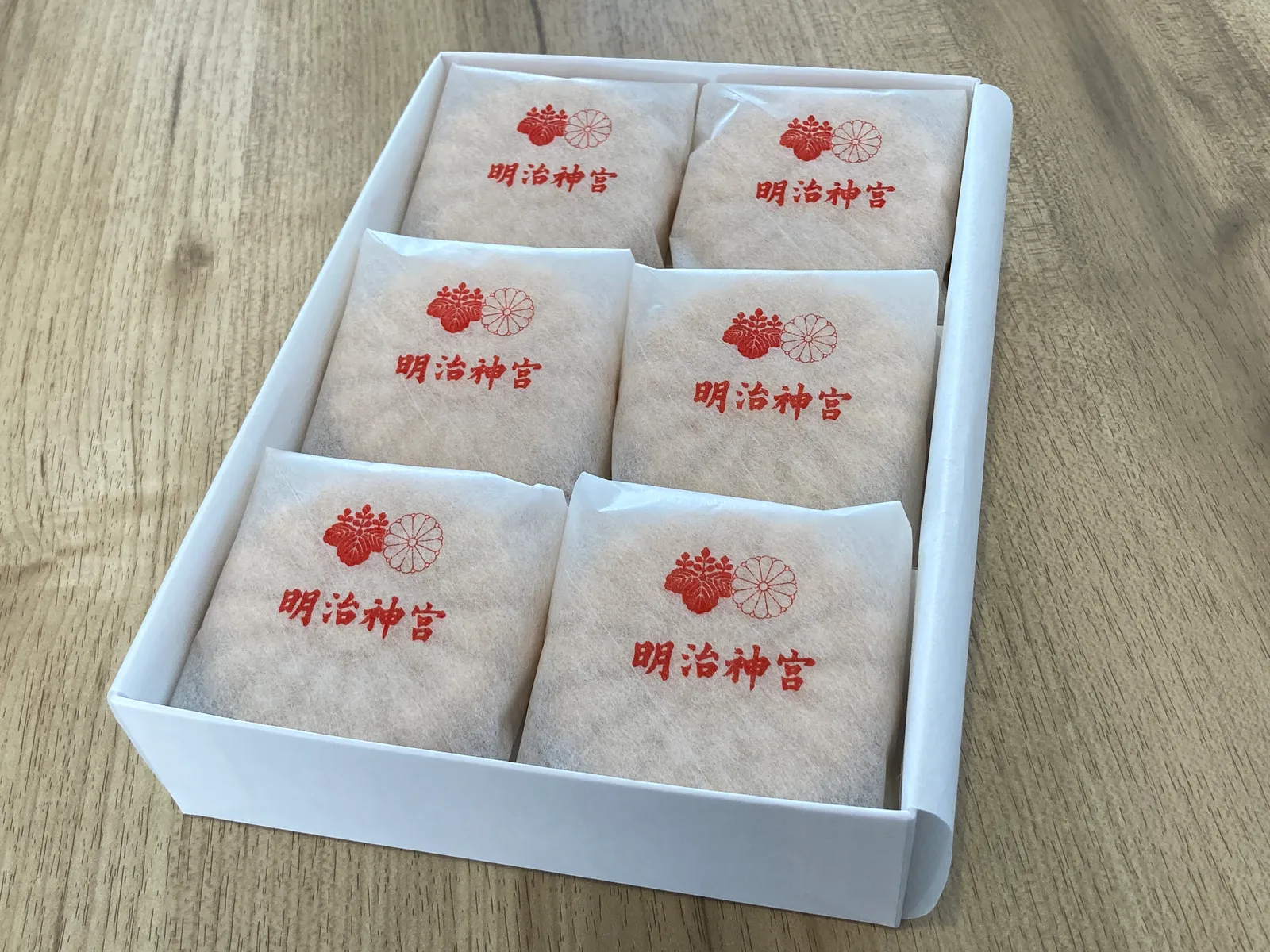
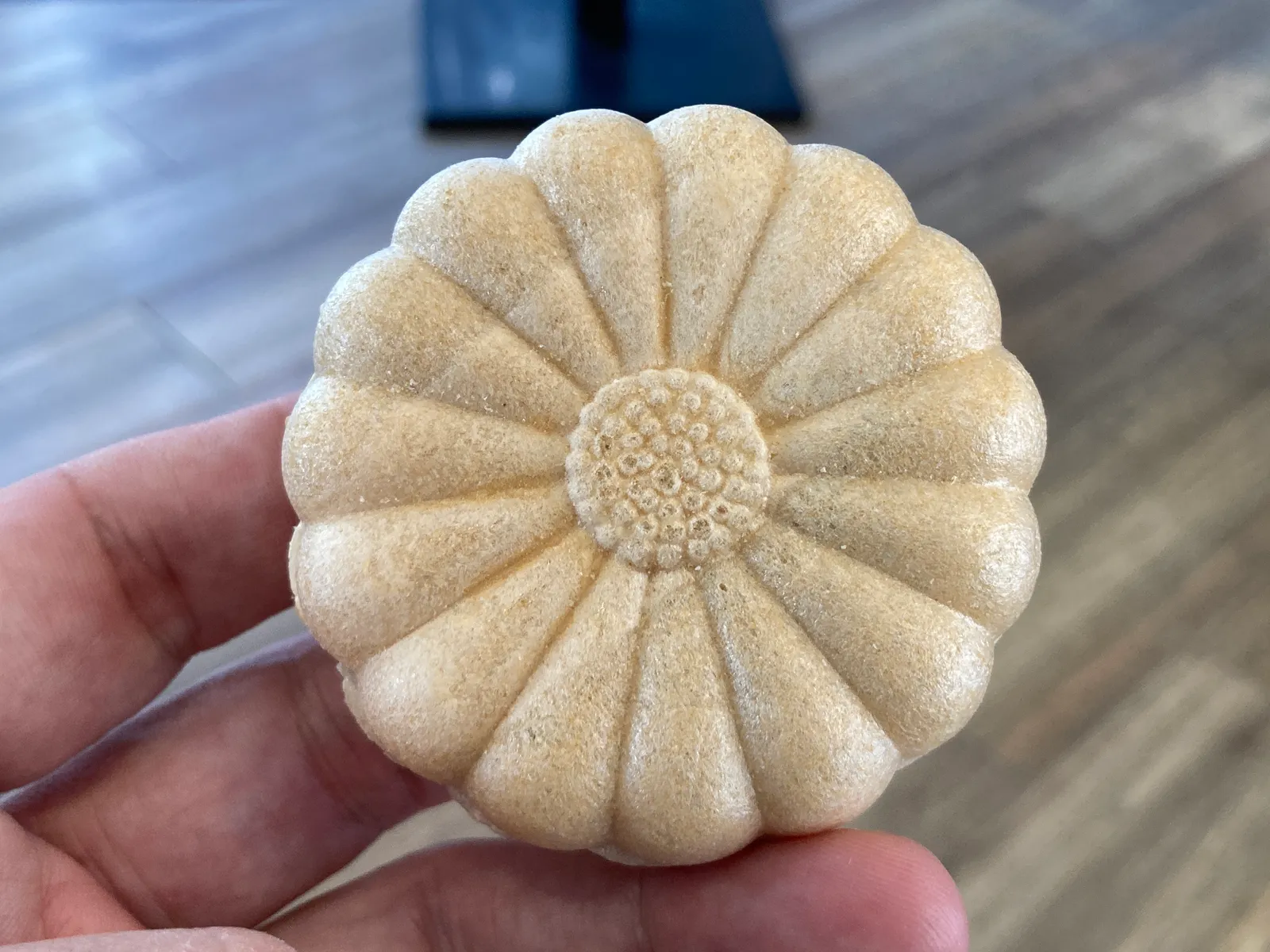
With the food tasting plan, after walking through Meiji Jingu you'll head to a café. There, you can enjoy limited-edition sweets and drinks while continuing to talk with your guide about history.
What to Check Before Booking
- Start time and duration
- Meeting point and directions from the nearest station
- Language(s) offered by the guide
- Whether the plan includes the food tour
- What sweets and drinks are included
- Footwear suitable for walking the gravel approach
- Policy for bad weather and availability of rain gear
- Age and group size requirements
- Cancellation and change policies
- Current pricing and availability
Prices are listed starting from ¥3,000, but plan details and schedules may vary by season. Please check the latest information before booking.
In Summary
This is a walking tour where you explore Meiji Jingu with an expert guide, learning about imperial culture, the role of Shinto shrines, and Tokyo's history from the modern era through the postwar period. Walking through the sacred forest grown from trees donated from across Japan, and worshipping at the main shrine, you'll trace how this place came into being and how it has been passed down to the present day through wartime destruction and postwar reconstruction.
With the food tasting plan, you can enjoy limited-edition sweets and drinks after your visit while continuing to talk with your guide about history. This experience is ideal for those who don't just want to "see" Meiji Jingu, but want to understand why this place holds such a special status in Tokyo.
For details and availability, please check the booking page here.

Cultural Experiences in Tokyo
Tokyo: Meiji Shrine Historical Walking Tour with Expert Guide
Check the booking page for the latest schedules, prices, and plan details.