11 Sumo Experiences in Tokyo and Osaka|Shows, Morning Practice and Ring Activities
Compare 11 sumo experiences in Tokyo and Osaka, including live shows, dining, interactive ring activities, authentic morning practice, and a Mount Fuji day tour.
Published:
This page contains affiliate links.
Prices and ratings are as of 2026.07.14. Please check the booking page for the latest details.
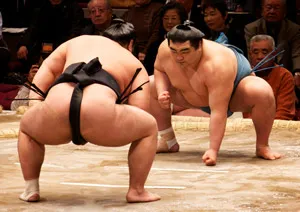
How to Choose a Sumo Experience in Tokyo or Osaka
Tokyo and Osaka offer very different ways to experience sumo, from traveler-friendly live shows to authentic morning-practice visits inside working sumo stables.
You can watch a show while enjoying chanko, join interactive ring activities, quietly observe professional wrestlers during morning training, fit a sumo experience into an Osaka itinerary, or even combine sumo with Mount Fuji sightseeing.
This guide compares 11 sumo experiences in and around Tokyo and Osaka without ranking them, focusing instead on experience style, location, and how actively you want to participate.
Prices, availability, start times, meals, seating, and participation conditions may change. Check the latest information on each booking page before reserving.
Find a Sumo Experience by Purpose and Style
Quick Comparison: 11 Sumo Experiences
| Experience | Area | Main Style | Best For | Details |
|---|---|---|---|---|
| Asakusa Sumo Show with Chanko | Tokyo, Asakusa | Show + dining | First-time visitors who want commentary, live bouts, and chanko together | Learn more |
| Asakusa Sumo Club ANNEX & Premium Dining | Tokyo, Asakusa | Show + dining packages | Travelers who want to compare both the show and premium meal options | Learn more |
| THE SUMO HALL HIRAKUZA Osaka | Osaka, Namba | Large show + interactive program | Travelers who want theatrical staging and possible ring activities | Learn more |
| Izumisano Sumo Show & Chanko | Osaka, Izumisano | Show + dining packages | Travelers staying near Kansai Airport who want a sumo experience | Learn more |
| SUMOLAND Ryogoku with Chanko & Mochi Pounding | Tokyo, Ryogoku | Interactive + dining | Families and groups who want ring activities, mochi pounding, and chanko | Learn more |
| Sumo Studio Osaka Audience Challenge | Osaka, Hanazonochō | Close-range show + challenge | Travelers who want to watch former wrestlers up close and possibly join a challenge | Learn more |
| Morning Practice Tour with Expert Commentary | Tokyo | Morning practice + specialist guidance | Travelers who want deeper explanations of sumo techniques and culture | Learn more |
| Takasago Stable Morning Practice Visit | Tokyo, Sumida | Morning practice + named stable | Travelers who prefer knowing which sumo stable they will visit | Learn more |
| Tokyo Sumo Stable Morning Practice Visit | Tokyo | Morning practice + advance instructions | Travelers who want to quietly observe authentic training | Learn more |
| Morning Practice Group Visit for 2–10 Guests | Tokyo | Morning practice + group booking | Families or friends who want to observe authentic practice together | Learn more |
| Mount Fuji & Lake Yamanaka Sumo Day Tour | Tokyo departure / Lake Yamanaka | Sightseeing + sumo | Travelers who want Mount Fuji sightseeing and sumo culture in one day | Learn more |
Experience
Asakusa Sumo Show with Chanko
- Area
- Tokyo, Asakusa
- BEST FOR
- First-time visitors who want commentary, live bouts, and chanko together
- Details
- Learn more
- Main Style
- Show + dining
Experience
Asakusa Sumo Club ANNEX & Premium Dining
- Area
- Tokyo, Asakusa
- BEST FOR
- Travelers who want to compare both the show and premium meal options
- Details
- Learn more
- Main Style
- Show + dining packages
Experience
THE SUMO HALL HIRAKUZA Osaka
- Area
- Osaka, Namba
- BEST FOR
- Travelers who want theatrical staging and possible ring activities
- Details
- Learn more
- Main Style
- Large show + interactive program
Experience
Izumisano Sumo Show & Chanko
- Area
- Osaka, Izumisano
- BEST FOR
- Travelers staying near Kansai Airport who want a sumo experience
- Details
- Learn more
- Main Style
- Show + dining packages
Experience
SUMOLAND Ryogoku with Chanko & Mochi Pounding
- Area
- Tokyo, Ryogoku
- BEST FOR
- Families and groups who want ring activities, mochi pounding, and chanko
- Details
- Learn more
- Main Style
- Interactive + dining
Experience
Sumo Studio Osaka Audience Challenge
- Area
- Osaka, Hanazonochō
- BEST FOR
- Travelers who want to watch former wrestlers up close and possibly join a challenge
- Details
- Learn more
- Main Style
- Close-range show + challenge
Experience
Morning Practice Tour with Expert Commentary
- Area
- Tokyo
- BEST FOR
- Travelers who want deeper explanations of sumo techniques and culture
- Details
- Learn more
- Main Style
- Morning practice + specialist guidance
Experience
Takasago Stable Morning Practice Visit
- Area
- Tokyo, Sumida
- BEST FOR
- Travelers who prefer knowing which sumo stable they will visit
- Details
- Learn more
- Main Style
- Morning practice + named stable
Experience
Tokyo Sumo Stable Morning Practice Visit
- Area
- Tokyo
- BEST FOR
- Travelers who want to quietly observe authentic training
- Details
- Learn more
- Main Style
- Morning practice + advance instructions
Experience
Morning Practice Group Visit for 2–10 Guests
- Area
- Tokyo
- BEST FOR
- Families or friends who want to observe authentic practice together
- Details
- Learn more
- Main Style
- Morning practice + group booking
Experience
Mount Fuji & Lake Yamanaka Sumo Day Tour
- Area
- Tokyo departure / Lake Yamanaka
- BEST FOR
- Travelers who want Mount Fuji sightseeing and sumo culture in one day
- Details
- Learn more
- Main Style
- Sightseeing + sumo
The order above is not a ranking.
Start by deciding whether you want an entertaining show, authentic training, or an experience you can actively join.
3 Major Differences Between Sumo Experiences
Entertainment Shows with Dining
If this is your first time seeing sumo, a traveler-friendly show with explanations and demonstrations can be an accessible place to start.
Experiences such as the Asakusa Sumo Show with Chanko also combine sumo with a Japanese meal, making them easy to include in family or group itineraries.
Interactive Experiences with Ring Activities
If you want to do more than watch, compare experiences that may include ring activities, mochi pounding, or audience challenges.
SUMOLAND Ryogoku and Sumo Studio Osaka stand out because guests can potentially become part of the experience rather than only observing.
Authentic Practice or Sumo Combined with Sightseeing
For a deeper look at sumo culture, morning-practice visits let you observe active professional wrestlers during real training.
At the other end of the spectrum, the Mount Fuji & Lake Yamanaka Sumo Day Tour combines sumo with a broader sightseeing itinerary.
Choose a Sumo Experience by Purpose and Style
Enjoy a sumo show with dining
The Asakusa Sumo Show with Chanko combines commentary, sumo demonstrations, live bouts, and chanko in one traveler-friendly program.
The Asakusa Sumo Club ANNEX is another option for travelers who place more importance on the meal package as well as the show itself.
BEST FOR
Travelers who want to enjoy both sumo entertainment and a Japanese meal in one experience.
what sets it apart
Rather than quietly observing authentic training, these experiences combine commentary, staged bouts, and dining in an accessible format.
Join interactive sumo activities
SUMOLAND Ryogoku combines a former wrestler's performance with activities such as mochi pounding, a ring experience, and chanko.
Sumo Studio Osaka offers a close-range program where selected guests may be able to join an audience challenge.
BEST FOR
Travelers who want to participate in sumo-related activities instead of only watching.
what sets it apart
These programs are more interactive, with opportunities such as ring activities or audience participation depending on the selected program and conditions on the day.
Enjoy a sumo show in Osaka
THE SUMO HALL HIRAKUZA in Namba offers a theatrical sumo program with large-scale staging and interactive elements depending on the selected option.
The Izumisano Sumo Show is convenient for travelers staying near Kansai Airport and offers packages that may include dining.
BEST FOR
Travelers who want to fit a sumo show into an Osaka itinerary and choose according to location and program style.
what sets it apart
The Namba experience emphasizes theatrical production, while Izumisano offers another option closer to Kansai Airport with different meal packages.
See authentic morning practice with deeper guidance
The Morning Practice Tour with Expert Commentary is designed for travelers who want to observe real training while also learning more about sumo techniques, history, and culture.
The Takasago Stable Morning Practice Visit is useful to compare when knowing the specific stable in advance is important to you.
BEST FOR
Travelers who want to see the discipline of active professional wrestlers rather than a staged sumo performance.
what sets it apart
These are authentic training visits, and the main differences are the level of commentary, the identified stable, and the structure of the visit.
Observe authentic morning practice more quietly
The Tokyo Sumo Stable Morning Practice Visit focuses on quietly observing real training after receiving the necessary instructions before entering.
The Morning Practice Group Visit for 2–10 Guests is another option when traveling with family or friends.
BEST FOR
Travelers who value quietly observing authentic daily training more than entertainment or extensive commentary.
what sets it apart
The emphasis is on watching real practice inside a working sumo environment rather than participating in a show or staged activity.
Combine sumo with sightseeing
The Mount Fuji & Lake Yamanaka Sumo Day Tour combines a Tokyo departure, Mount Fuji-area sightseeing, and a sumo-related stop in one day trip.
BEST FOR
Travelers who want to combine Japanese sightseeing and sumo culture rather than dedicating a separate part of the trip only to sumo.
what sets it apart
Unlike city-based shows or stable visits, this is a full-day sightseeing itinerary that includes transportation and several destinations.
5 Points to Check Before Booking
Sumo Show or Authentic Morning Practice
A sumo show and a morning-practice visit provide very different experiences.
Choose whether you prefer easy-to-follow explanations and entertainment, or whether you want to quietly observe active wrestlers during genuine professional training.
Meals, Seating, and Package Inclusions
For sumo shows, meals, drinks, seating, and interactive activities may vary depending on the selected package.
Check exactly what is included in the option you choose before booking.
Ring Activities and Conditions for Children
Ring activities and audience challenges may depend on the number of participants, the day's schedule, and safety decisions.
When traveling with children, also check age requirements and which activities they may be able to join.
Language Support and Depth of Commentary
If understanding sumo culture is important to you, compare not only the available language but also the depth of the explanation provided.
Some morning-practice experiences include specialist commentary, while others focus mainly on instructions before entering the stable.
Photography Rules, Meeting Time, and Etiquette
Morning practice is real professional training.
Photography, video, viewing duration, clothing, luggage, and etiquette rules may vary by stable and by circumstances on the day.
Confirm the latest instructions together with the meeting point and start time.
Frequently Asked Questions
Which is better for a first-time visitor: a sumo show or morning practice?
A sumo show is generally easier to follow if you want commentary, demonstrations, and entertainment.
A morning-practice visit is better suited to travelers interested in the real daily training environment of professional wrestlers.
Are there sumo experiences that are easy to enjoy with children?
For families looking for dining, mochi pounding, and interactive activities, SUMOLAND Ryogoku is one option to compare.
For staged entertainment, the Asakusa Sumo Show and HIRAKUZA in Namba are also worth comparing.
Age requirements and participation conditions should be checked before booking.
Which experience is suitable for detailed explanations during authentic morning practice?
If you want to understand techniques and cultural background while watching real training, compare the Morning Practice Tour with Expert Commentary.
If knowing the stable in advance matters more, compare the Takasago Stable Morning Practice Visit.
What kinds of sumo experiences are available in Osaka?
In Osaka, you can compare the theatrical HIRAKUZA in Namba, the Izumisano Sumo Show with different dining packages, and the close-range Sumo Studio Osaka.
Can I take photos or videos during morning practice?
Photography and video rules depend on the sumo stable and the conditions on the day.
Because morning practice is real professional training rather than a tourist performance, always follow the instructions given by the staff and stable.
In Summary
Tokyo and Osaka offer very different sumo experiences, including dining shows, interactive programs, authentic morning-practice visits, and even a day tour combining sumo with Mount Fuji sightseeing.
Rather than treating the list as a ranking, compare your destination, whether you want to watch or participate, and how important dining, commentary, and cultural depth are to you.
Deciding how you want to experience sumo will make it much easier to choose from the 11 options.