A Guide to Cultural Experiences in Tokyo | Recommended Activities by Sightseeing Area
Discover cultural experiences you can enjoy alongside Tokyo's major sightseeing spots, organised by area.
Published:
This page contains affiliate links.
Prices and ratings are as of 2026.07.23. Please check the booking page for the latest details.

Tokyo is a city where shrines, temples, markets, sumo, tea ceremony, and samurai culture thrive right alongside its modern streetscapes. However, since the highlights are spread across a wide area, choosing your sightseeing spots and booked experiences separately can mean more travel time and less time to actually enjoy the city.
This guide covers seven areas: Asakusa, Tsukiji/Toyosu, Ryogoku, Shibuya, Shinjuku/Kagurazaka, Kanda/Akihabara, and Yotsuya/Central Tokyo. Get a feel for the atmosphere of each area, and choose a cultural experience that fits naturally into your itinerary for that day. Prices, dates, start times, and language support may change, so please check the latest details on each booking page before reserving.
Find by Sightseeing Area
- Asakusa / Sensō-ji
- Tsukiji / Toyosu
- Ryogoku
- Shibuya
- Shinjuku / Kagurazaka
- Kanda / Akihabara
- Yotsuya / Central Tokyo
Quick Reference: Sightseeing Areas and Recommended Experiences
| Sightseeing Area | Sightseeing Theme | Recommended Experience | How to Fit It into Your Itinerary |
|---|---|---|---|
| Asakusa / Sensō-ji | Old town charm, temples, kimono | Kimono Rental & Tea Ceremony Experience in Asakusa | Combine a morning visit to Sensō-ji with an afternoon cultural experience in the same area |
| Tsukiji / Toyosu | Markets, food culture, waterfront | Tsukiji Market Walk & Sushi-Making Tour | Explore the market, then deepen your understanding of food culture through sushi making |
| Ryogoku | Sumo, chanko, Edo culture | Sumo, Chanko & Mochi-Pounding Experience in Ryogoku | Combine a neighbourhood walk with a sumo experience for a half-day plan |
| Shibuya | City views, shopping, photography | Samurai Armor Photoshoot Experience in Shibuya | Add a photoshoot experience to your shopping or viewpoint plans |
| Shinjuku / Kagurazaka | Skyscrapers, backstreets, hands-on experiences | 1-Hour Samurai Experience in Shinjuku | Fit a short samurai experience into a day of city sightseeing |
| Kanda / Akihabara | Shrines, long-established shops, modern culture | Nerikiri Wagashi-Making & Tea Ceremony in Kanda | Take a quiet break between exploring Kanda and Akihabara |
| Yotsuya / Central Tokyo | Central city strolls, kimono, matcha | Matcha & Kimono Experience in Yotsuya | Add a relaxed tea ceremony session on a day of moving around central Tokyo |
The order in which these are listed is not a ranking. They are introduced based on how well they pair with each sightseeing area and how easily they fit into your itinerary.
Asakusa / Sensō-ji | Enjoy Old Town Culture with Kimono and Tea Ceremony
Walking through the huge lantern at Kaminarimon Gate, along Nakamise shopping street, and on to Sensō-ji is a classic route that's easy to follow even for first-time visitors exploring Tokyo's old town. Historic temple scenery and traditional shops mix with food stalls and newer establishments, letting you feel not just the history but also the lively spirit of present-day Asakusa. It's also a great area for those who want to stroll in kimono and take photos in front of the gate or along the backstreets.
In Asakusa, you can consider tea ceremony, sumo, sushi-making, and samurai-themed experiences all as options for the same sightseeing day. A flow of visiting Kaminarimon, Nakamise, and Sensō-ji in the morning, enjoying kimono and tea ceremony in the afternoon, and choosing a sumo show or sushi experience in the evening lets you experience old town culture in depth without adding extra travel. This works well for first-time visitors to Tokyo, families, and anyone who wants to enjoy both photography and culture.
The main experience to check out is the detailed guide to the Kimono Rental & Tea Ceremony Experience in Asakusa. Have a look if you want to combine a kimono stroll with a matcha tea session in a single plan.
If you'd like to include dinner, Sumo Show and Chanko Nabe in Asakusa is an option, and if you want to enjoy both food and performance together, Sushi-Making & Samurai Experience in Asakusa is worth considering. To broaden your options further, see the Tea Ceremony Experience Comparison Guide, the Sumo Experience Comparison Guide, and the Sushi-Making Experience Comparison Guide.
Back to the list of sightseeing areas


Tsukiji / Toyosu | Combine a Market Walk with Sushi-Making
Tsukiji and Toyosu are easy-to-compare market areas for anyone who wants to make food culture the centrepiece of their trip. At Tsukiji Outer Market, the specialty shops and eateries lining the narrow streets let you experience the many elements that support Japanese food culture — seafood, dried goods, cooking tools, and more. Toyosu, with its newer market facilities and open waterfront scenery, shows a different, more contemporary side of Tokyo compared to Tsukiji.
Rather than stopping at sightseeing and snacking, adding a sushi-making experience connects the time you spend looking at ingredients with the time you spend actually working with them. A flow of walking around Tsukiji in the morning, joining an experience that includes a market tour and sushi-making, and then moving on to Toyosu or the waterfront area afterwards creates a half-day to full-day itinerary centred on food. This suits people interested in cooking, those who want to understand Japan's seafood culture in depth, and anyone who wants to combine sightseeing and hands-on experience in one go.
The main experience to check out is the detailed guide to the Tsukiji Market Walk & Sushi-Making Tour. You can consider a market walk and cooking experience together as a single flow.
If you're looking for a shorter sushi-making session, there's the Sushi-Making Class from a Tsukiji Sushi Chef, and if you'd like to add a quiet cultural moment in Toyosu, there's the Private Tea Ceremony Experience in Toyosu. If you want to compare the length and content of sushi experiences, the Sushi-Making Experience Comparison Guide in Tokyo is a handy resource.
Back to the list of sightseeing areas


Ryogoku | Make Sumo Culture the Theme of Your Day
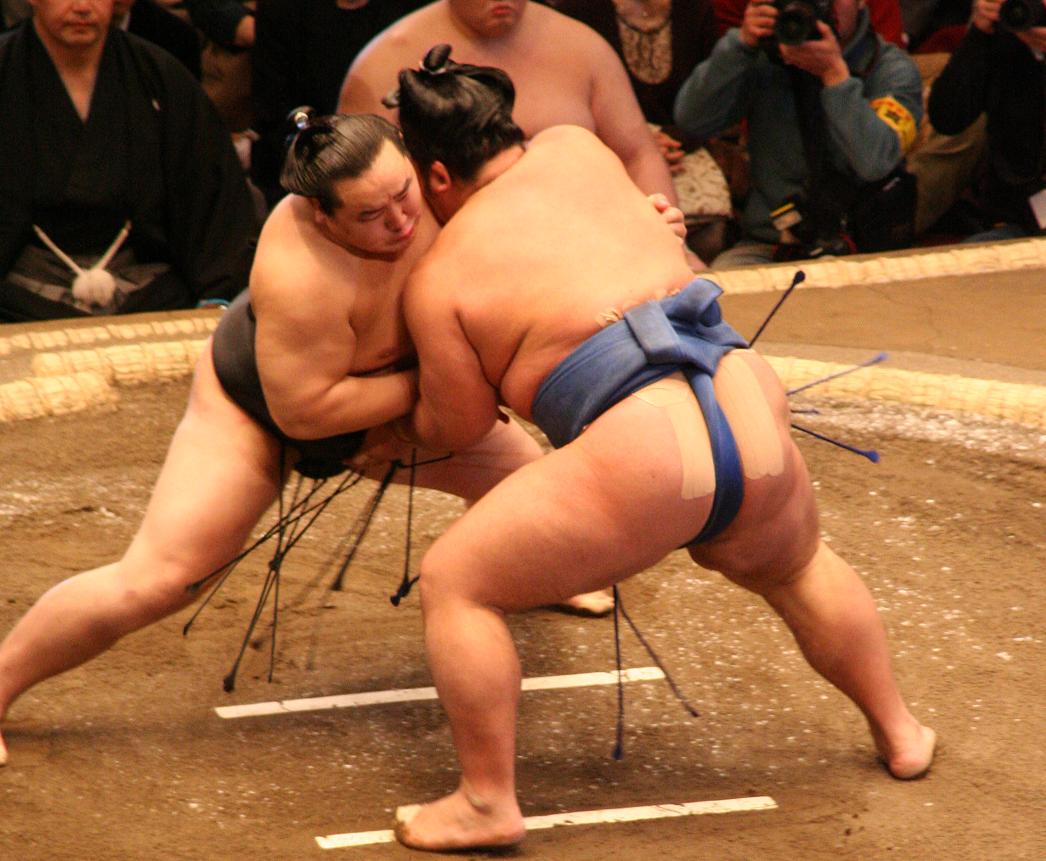
Ryogoku is an area where you can really feel sumo's presence in the streets, centred around the Ryogoku Kokugikan sumo arena. Sumo-related facilities and shops are scattered throughout the area, and there are also spots that convey Edo-era history, so you can look beyond the sport itself to the cultural roots that have kept sumo alive in Tokyo. Even outside of tournament dates, the appeal here is that you can build a whole day around the theme of sumo culture through the streetscape and food.
One possible flow is to spend the morning or midday exploring Ryogoku, viewing exhibits and streetscapes related to sumo culture, and then joining a programme that includes chanko nabe, mochi-pounding, and a dohyo (sumo ring) experience. This suits anyone who wants to feel close to sumo regardless of the tournament schedule, families or friends who want to be active together, and those who want to learn about Japan's unique sporting culture alongside a meal.
The main experience to check out is the detailed guide to the Sumo, Chanko & Mochi-Pounding Experience in Ryogoku. Check this out if you want to go beyond just watching and experience sumo culture through multiple elements.
If you'd prefer a show format combined with a meal, Sumo Show and Chanko Nabe in Asakusa is an alternative in a different area. Morning practice tours may take place at a different venue depending on the product, so don't assume it will be held in Ryogoku — check the booking page. You can compare options in Tokyo and Osaka in the Sumo Experience Comparison Guide.
Back to the list of sightseeing areas

Shibuya | A Samurai Armor Photoshoot Along Your Walk
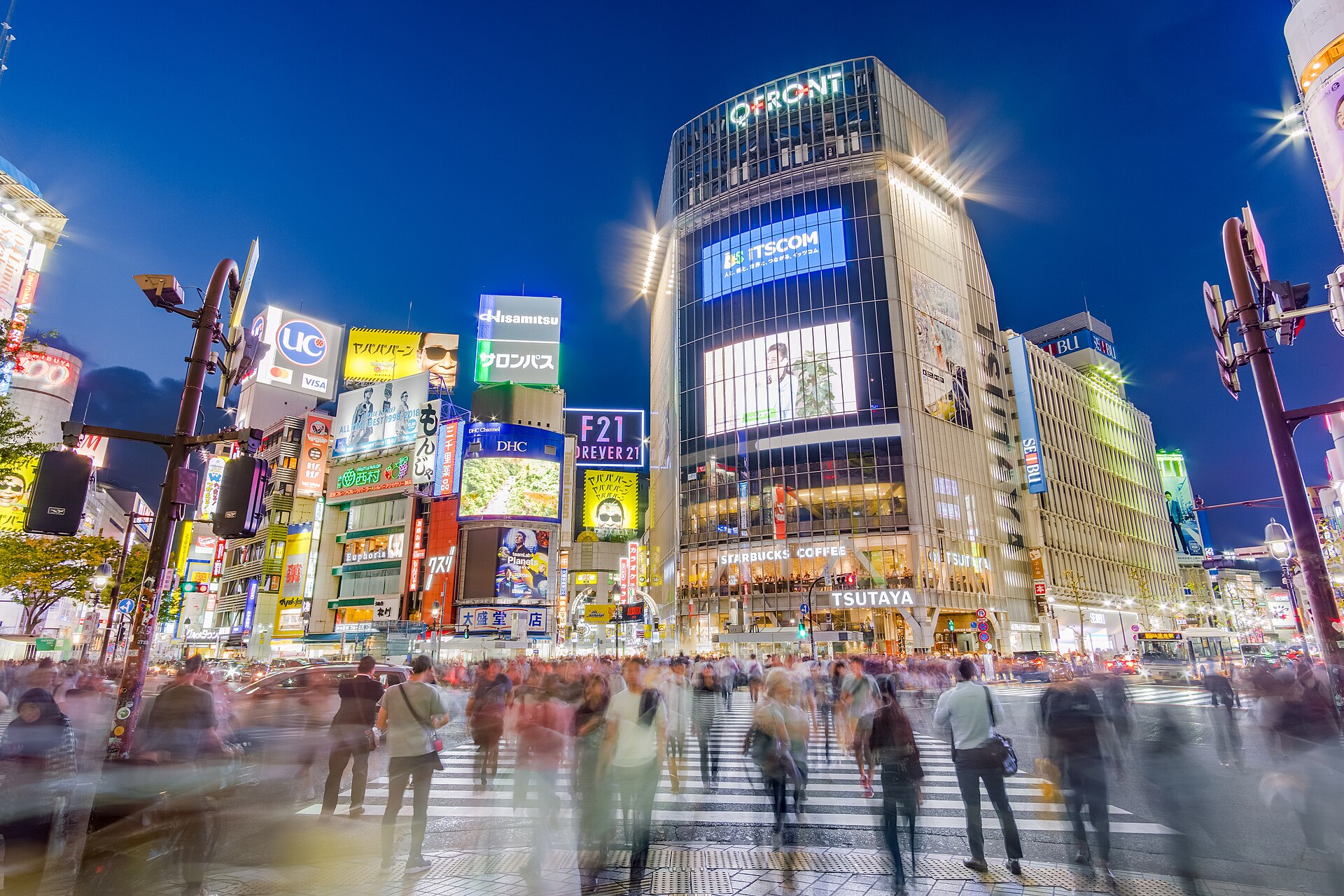
Shibuya is an area where you can enjoy the energy of the city — symbolised by the Scramble Crossing — along with shopping, fashion, and views from observation spots, all in one place. Unlike areas centred on traditional scenery, the pace and youth culture of present-day Tokyo take centre stage here. Putting on samurai armour for a photoshoot against this modern backdrop creates a striking contrast between city sightseeing and a historical motif, making for a memorable travel record.
One possible flow is to enjoy shopping and strolling in Shibuya from morning through afternoon, fit in an armour photoshoot along the way, and then head to a viewpoint or dinner in the evening. This suits anyone who prioritises a lasting photo over a long lesson, friends or couples looking to participate together, and travellers who want to create a memorable keepsake even during a short stay in Tokyo. Keeping your before-and-after plans in the same Shibuya area also keeps travel time to a minimum.
The main experience to check out is the detailed guide to the Samurai Armor Photoshoot Experience in Shibuya. Check the details if capturing your samurai look as a keepsake photo is your priority.
If you'd rather move your body through sword forms or mock battles, the 1-Hour Samurai Experience in Shinjuku in another area is a comparable option. You can check the differences between photography, practice, and sword-dance style experiences in the Samurai Experience Comparison Guide in Japan.
Back to the list of sightseeing areas

Shinjuku / Kagurazaka | A Stroll Plus a 1-Hour Samurai Experience
Shinjuku has skyscrapers, transport hubs, and lively entertainment districts, while Kagurazaka offers a different side of Tokyo with its sloped streets, backstreets, and quiet shops. Putting both areas on your itinerary for the same day lets you enjoy the contrast between large-scale city scenery and the quieter streets you discover on foot. Since Shinjuku tends to fill up with evening plans, another advantage is that it's easy to slot a cultural experience into a gap during the day.
A flow of exploring Shinjuku or Kagurazaka, trying sword forms and mock battles in kimono during an approximately 1-hour samurai experience, and then enjoying dinner or night views afterwards lets you add a hands-on cultural experience without interrupting your city sightseeing. While a lengthy class may not be practical, this suits anyone who wants to actively participate rather than just watch, and parents, children, or friends looking to create an active memory together.
The main experience to check out is the detailed guide to the 1-Hour Samurai Experience in Shinjuku. Check what's included in this short session and pair it with your sightseeing plans before and after.
If you'd prefer photography over physical activity, the Samurai Armor Photoshoot in Shibuya is another option. If you want to choose between samurai experiences across Japan based on practice, photography, or performance, refer to the Samurai Experience Comparison Guide in Japan.
Back to the list of sightseeing areas


Kanda / Akihabara | A Break with Wagashi and Matcha
Kanda has shrines, historic streetscapes, and long-established shops, while neighbouring Akihabara strongly reflects modern culture with its electronics district, games, and anime. Since these two very different sides of Tokyo sit so close together, this pairing suits travellers interested in both temples and traditional shops as well as today's pop culture. Placing a quiet moment in the middle of a lively walk also helps set the pace for the day.
A flow of walking around Kanda and Kanda Myojin Shrine in the morning, trying nerikiri wagashi-making and matcha, and then exploring Akihabara's shops and streets afterwards works well. Through the handiwork of shaping wagashi and the tea ceremony, you can move beyond simply sightseeing and gain a deeper appreciation for seasonal awareness and the spirit of hospitality. This is easy to consider for anyone who wants to work calmly with their hands, those who enjoy sweets and matcha, and families across generations looking for an activity everyone can join.
The main experience to check out is the detailed guide to the Nerikiri Wagashi-Making & Tea Ceremony in Kanda. Check this out if you'd like to build in a cultural break as part of your neighbourhood walk.
As an evening alternative, there's the All-You-Can-Drink Sake Experience in Tokyo, though don't assume it's held around Kanda/Akihabara — check the venue on the booking page. You can compare options that include wagashi and matcha in the Tea Ceremony Experience Comparison Guide in Japan.
Back to the list of sightseeing areas


Yotsuya / Central Tokyo | Add a Relaxed Tea Ceremony Session
Yotsuya pairs easily with plans in central Tokyo — Shinjuku, Akasaka, the Imperial Palace area — and can serve as a cultural base even on a day packed with major sightseeing. Unlike the bustling temple-town atmosphere of Asakusa, its distinguishing feature is that it's easy to fit in a calm moment between stops around the city. This suits anyone who'd rather add a quiet matcha session than keep hopping between crowded spots.
A flow of sightseeing around central Tokyo, then joining a kimono and matcha experience in Yotsuya, before moving on to your next destination — Shinjuku, Akasaka, or the Imperial Palace area — works well. This combination suits people who want to experience kimono as well as tea ceremony, small groups who want a peaceful time together, and anyone who doesn't want a day of moving through the city centre to feel like nothing but transit.
The main experience to check out is the detailed guide to the Matcha & Kimono Experience in Yotsuya. Check the content and the language support available on the day, and fit it into your central sightseeing schedule.
If you'd prefer to combine kimono with a more classic sightseeing stroll, there's the Kimono Rental & Tea Ceremony Experience in Asakusa, and if you want to compare tea ceremony formats and venues more broadly, check the Tea Ceremony Experience Comparison Guide in Japan.
Back to the list of sightseeing areas


Choosing by the Purpose of Your Trip
First Time in Tokyo
Asakusa is an easy area to plan around, with the straightforward sightseeing route of Kaminarimon, Nakamise, and Sensō-ji paired with kimono and tea ceremony. If you want to focus on food culture, choose Tsukiji; if you want sumo as your main theme, choose Ryogoku — either way, your day will have a clear focus.
For Those Who Want to Enjoy Japanese Food Culture
If you want to go from market atmosphere all the way to sushi-making, Tsukiji/Toyosu is a good candidate; if you'd rather enjoy the handiwork of wagashi and matcha at a relaxed pace, consider Kanda/Akihabara. Decide based on whether you want to just eat or actually take part in the process of making the food.
For Those Who Want to Experience Traditional Culture
For tea ceremony and kimono, Asakusa or Yotsuya are easy choices; for sumo culture, Ryogoku; and for sword forms and physical expression, the samurai experience in Shinjuku is a good comparison point. Narrow your choice down based on whether you prioritise watching, making, or physical experience.
For Those Who Want a Photogenic Experience
If you want to capture the contrast between modern Tokyo and samurai armour, Shibuya suits you; if you'd rather stroll temple streets in kimono, Asakusa is a good fit. Check the booking page for details on photo data and costumes.
For Groups of Family or Friends
If you want to be active together, the sumo experience in Ryogoku or the samurai experience in Shinjuku are good options; if you'd rather enjoy working together, sushi-making in Tsukiji is a candidate. Please check age requirements and group size policies on the booking page before reserving.
Still Deciding? Check the Comparison Guides
- Compare Sushi-Making Experiences in Tokyo
- Compare Sumo Experiences in Tokyo and Osaka
- Compare Tea Ceremony Experiences in Japan
- Compare Samurai Experiences in Japan
See All Cultural Experiences in Tokyo
You can browse all the individual guides currently published for Tokyo on the Tokyo area page. Choose experiences located in the same area as your sightseeing plans that day to build an itinerary with minimal travel time.
In Summary
Rather than comparing experiences on their own, it's easier to choose when you think of them together with the neighbourhoods you'll be visiting — Asakusa, Tsukiji, Ryogoku, Shibuya, and so on. Decide first on the atmosphere you're after, the purpose of your trip, and how much time you have, then add an experience that fits your route for the day. Since conditions may change, always check the dates and latest details on the booking page before finalising your plans.