[Kyoto] Wagashi Making Experience with a Master Instructor: Make 2 Nerikiri Sweets in 1 Hour
A one-hour hands-on class in Kyoto with a wagashi instructor of over 10 years' experience. Shape two seasonal flower nerikiri using a special bean paste made with Bitchu white adzuki beans, enjoy them fresh with sencha, and take the recipe home.
Published:
Content verified by the operatorPhotos courtesy of Wagashi Issho
This page contains affiliate links.
Prices and ratings are as of 2026.10.13. Please check the booking page for the latest details.
BEFORE YOU BOOK
4 Things to Know Before Booking
- 01Small-group lessons from a wagashi instructor with over 10 years of experience
- 02Shape two seasonal flowers with special Bitchu white adzuki bean paste
- 03Carving a large chrysanthemum with the triangular spatula is a crowd favourite
- 04Finish in about 1 hour and enjoy your wagashi on the spot
BEST FOR
Who This Experience Is Best For
- 01
Those who want to learn about Kyoto's food culture by doing
Rather than just watching or snacking your way around town, you turn Bitchu white adzuki bean paste into a seasonal flower with your own hands. You come to understand Kyoto's confectionery culture through hands-on work.
- 02
Those who want time to focus on delicate handwork
Carving chrysanthemum petals one by one with the triangular spatula is a quiet, absorbing process. It suits anyone who wants a calm moment in the middle of a busy itinerary.
- 03
Families and groups looking for a short cultural experience
The class takes about one hour, and all tools are provided, so you can join empty-handed. It is easy to fit in between Kyoto sightseeing stops.
When to Compare Other Options
With small classes in English and Japanese, this one-hour wagashi experience is easy to join even on your first visit to Japan.
One Hour of Wagashi Making in the Heart of Kyoto
This wagashi (traditional Japanese confectionery) experience takes place in Kyoto city, with a meeting point on site and a running time of about one hour. It is roughly a 5-minute walk from both Karasuma Station and Karasuma Oike Station. Classes are offered in English and Japanese, and the experience holds a 5.0 rating on the booking site (11 reviews), with more than 100 bookings to date.
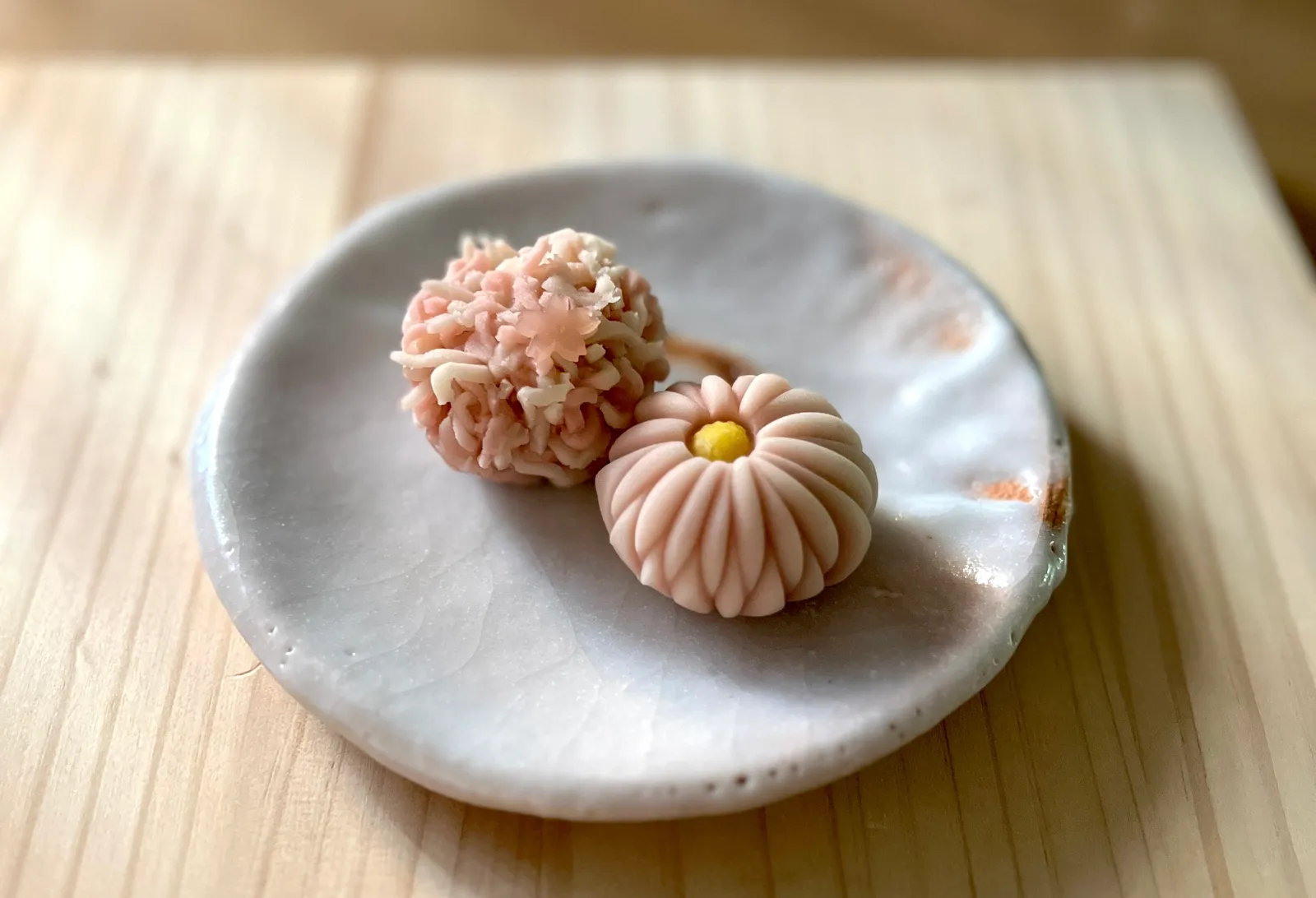
You will make two types of nerikiri inspired by Kyoto's changing seasons. The fillings are made with carefully selected ingredients, including rare Bitchu white adzuki beans, and the sweets are finished with a special bean paste crafted by Kyoto artisans and plant-based colourings.
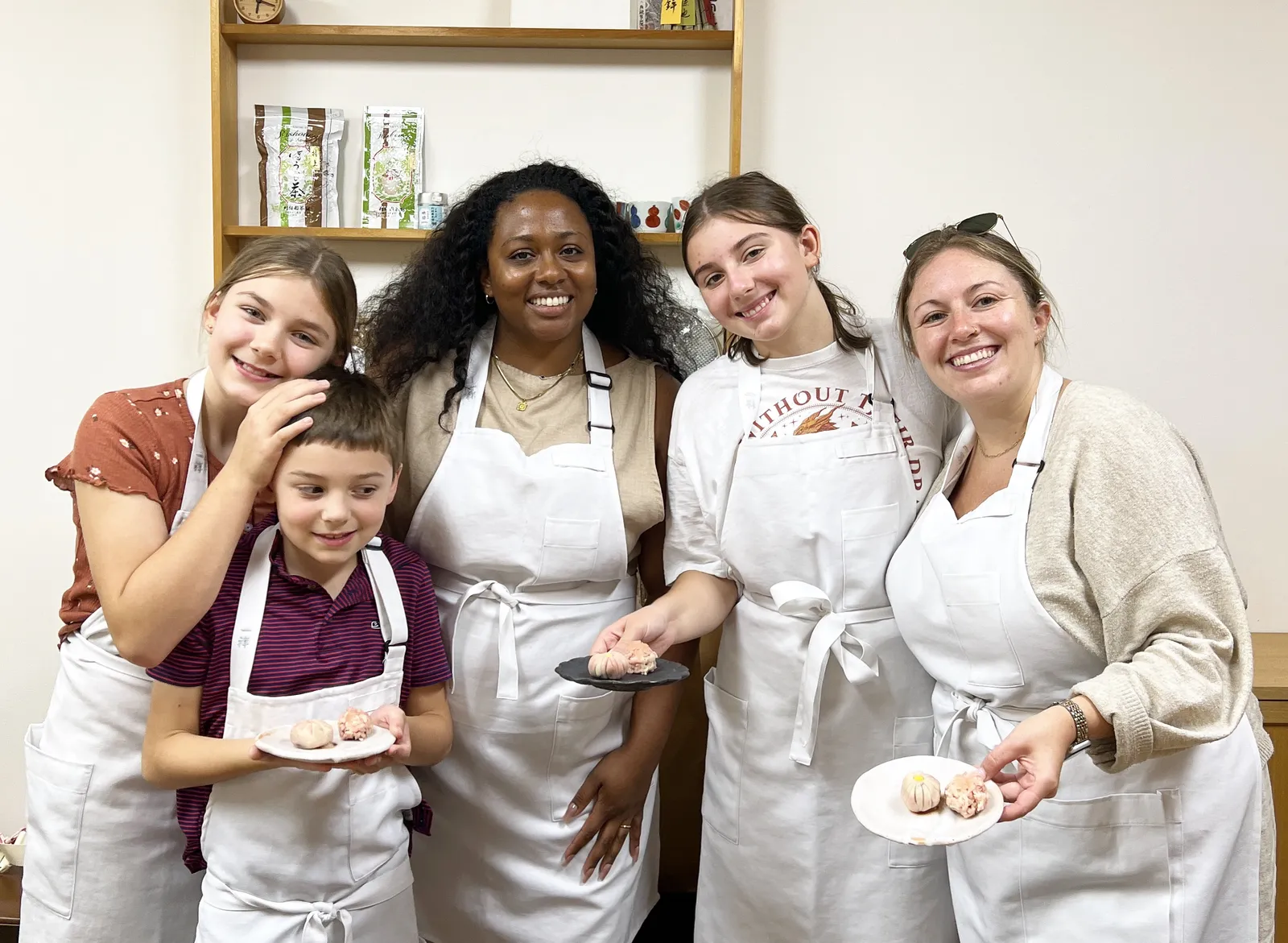
Aprons and all tools are provided, so you can simply turn up empty-handed, which makes it easy to fit into your itinerary. Prices start from ¥14,250, and you can find details on this booking page.

Taught by a Wagashi Instructor with 10+ Years of Experience
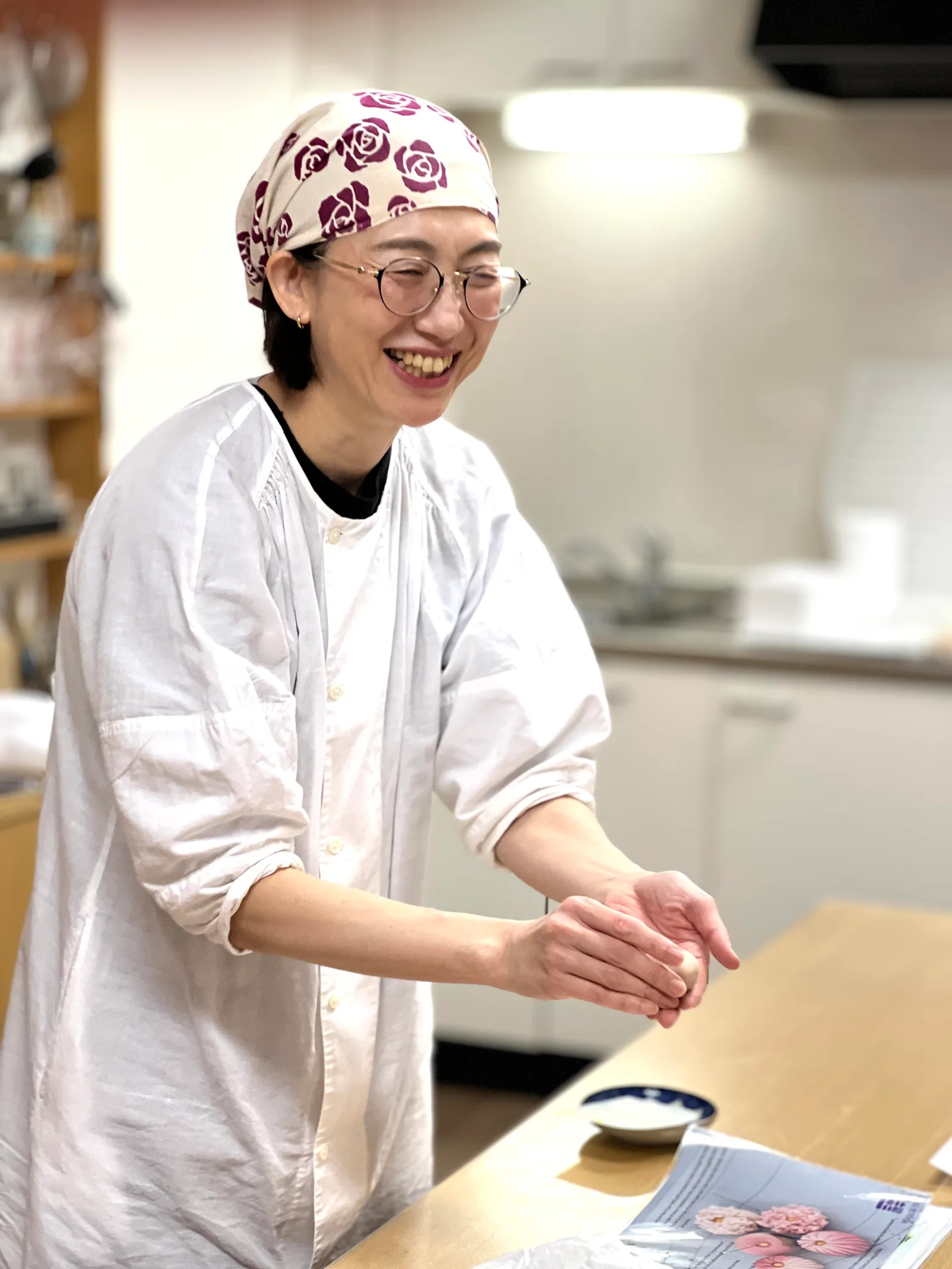
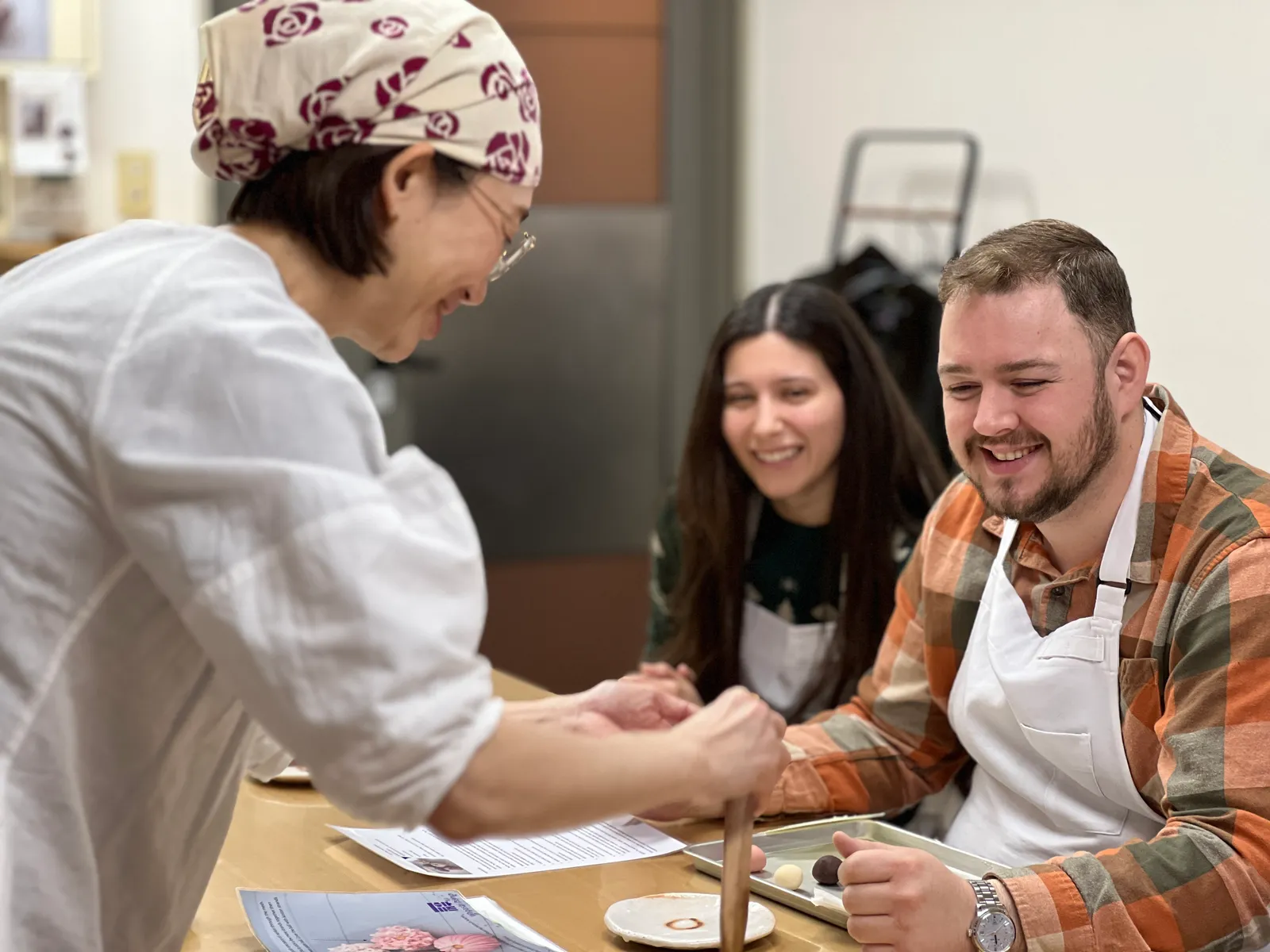
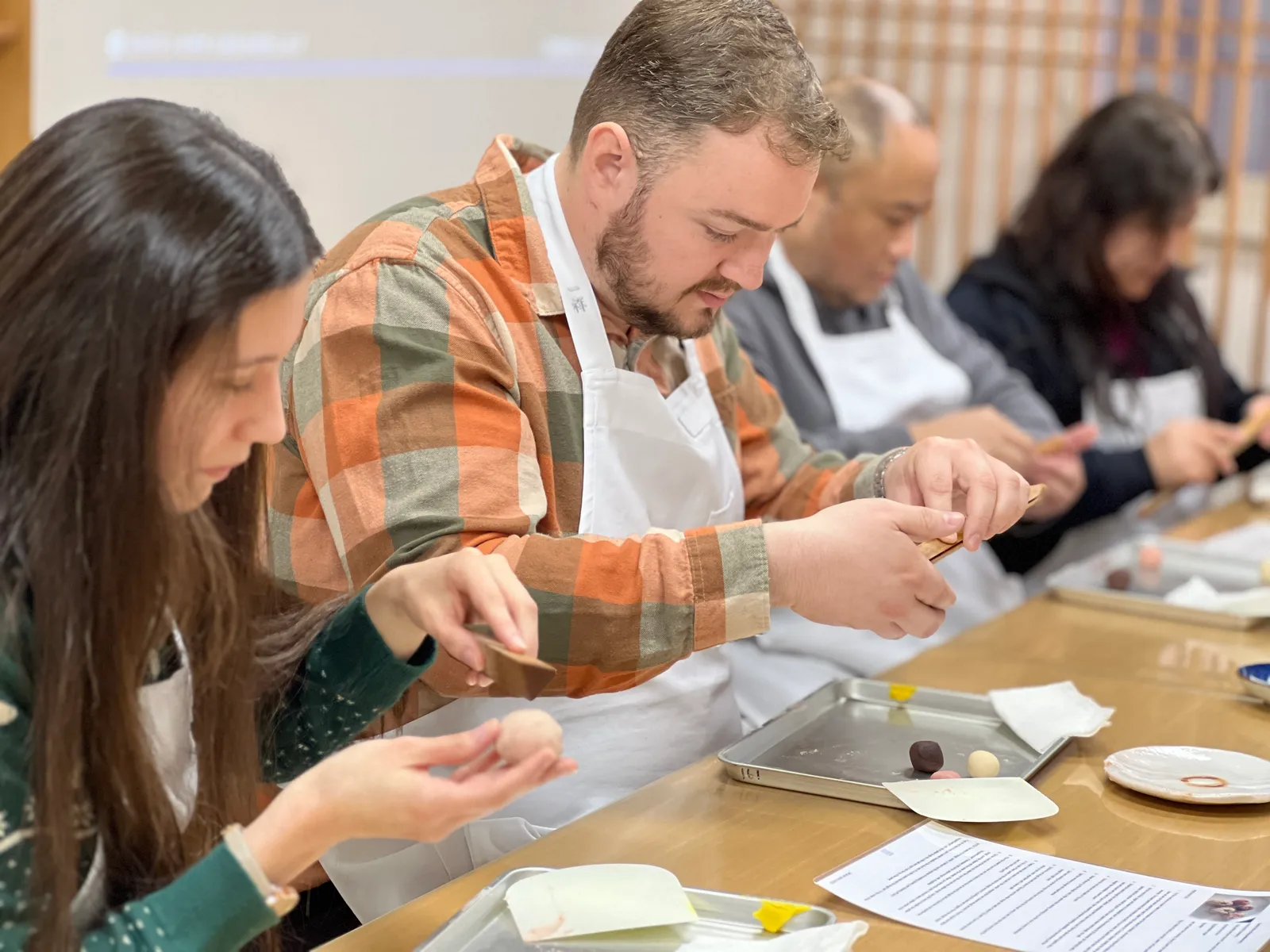
Your teacher is a wagashi instructor with more than 10 years of experience. Classes are small, and the instructor watches each person's hands and guides you carefully through every step.
Lessons are given directly in English by the instructor, so international guests can follow each step without an interpreter. Participating in Japanese is also possible.
You begin with the basics, such as how to handle the bean paste and how to roll it in the palm of your hand. You then use that feel to turn the paste into a flower shape with your own hands.
Carving a Large Chrysanthemum with a Triangular Spatula
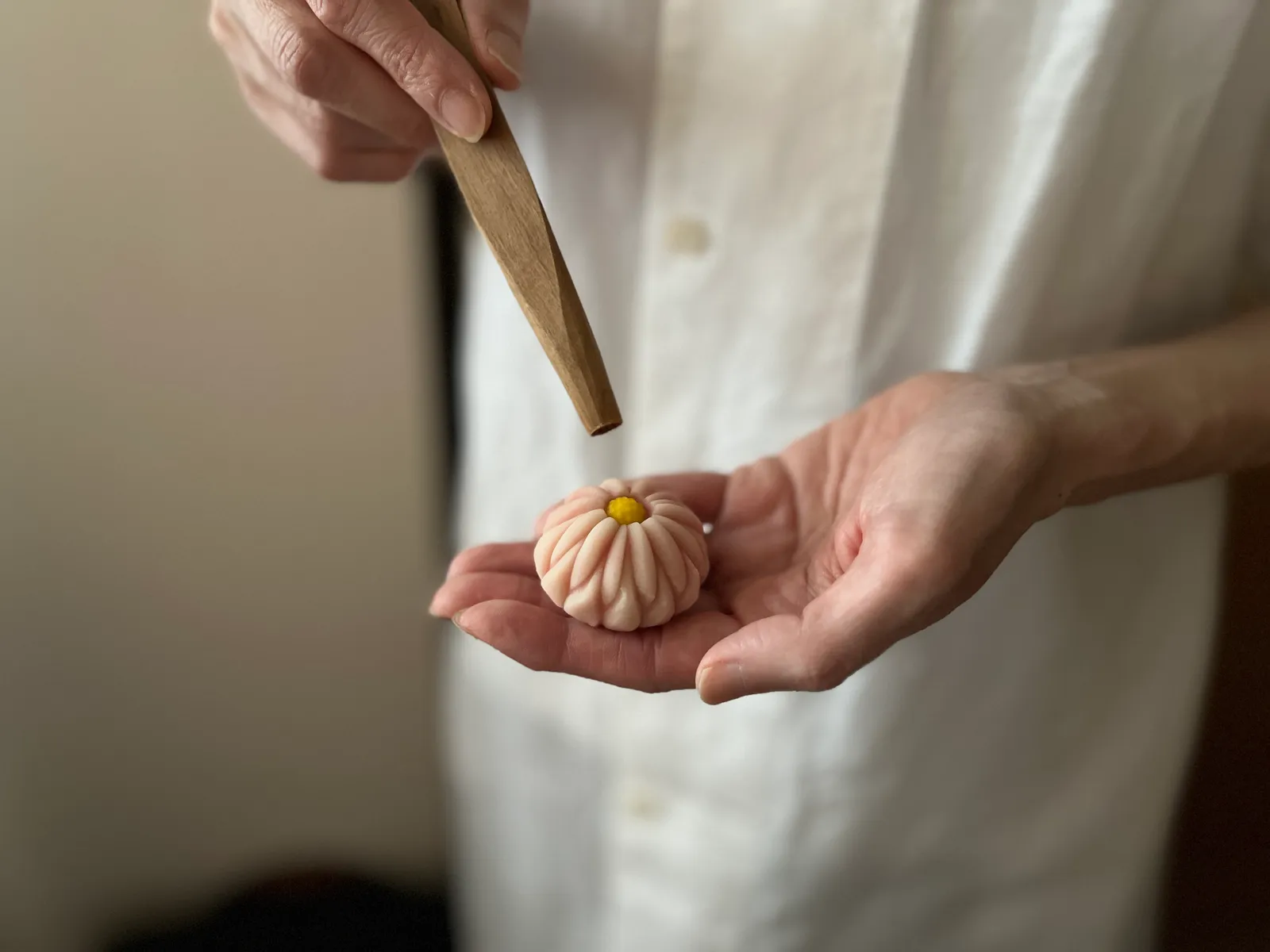
The most popular moment of this experience is shaping the chrysanthemum, carving its petals one by one with a traditional wooden tool called a sankaku-hera (triangular spatula). On a round piece of dough resting in your palm, you press fine lines radiating outward.
The pressure and angle you use change the look of each petal, so you naturally become absorbed in what your hands are doing. Once you place a yellow dot at the centre, the softly outlined dough suddenly turns into a full-blooming chrysanthemum.
The other sweet is made by layering soboro-style (fine, crumbly) bean paste to form a flower. Making two pieces with different textures also shows you the range of what nerikiri can be.
Enjoy Your Creations Fresh with Sencha and Take the Recipe Home
When the shaping is done, you enjoy the wagashi you made together with sencha (Japanese green tea). Eating nerikiri that you formed with your own hands, right on the spot, is one of the joys of this experience.
At the end, you receive a simple recipe you can recreate at home. Rather than letting the memory end with your trip, you can bring it back to your own kitchen.
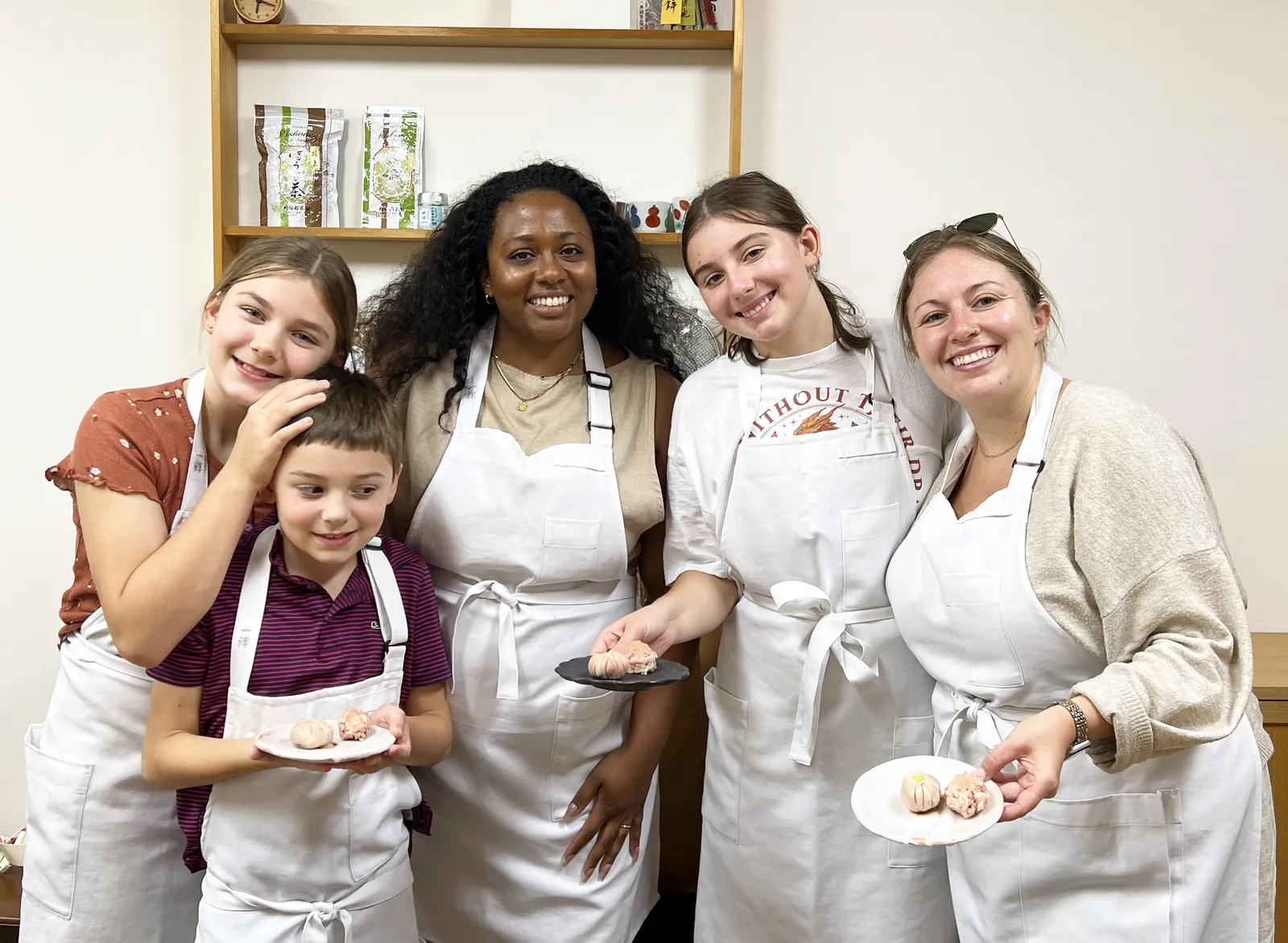
A commemorative photo holding your finished sweets also makes a lovely keepsake from your journey.
FAQ
Q. Do I need to bring anything? Aprons and all the tools you need for the experience are provided.
Q. Can I join in English? Yes. The experience is available in English and Japanese.
Q. Can I eat the wagashi I make on the spot? Yes. At the end of the experience, you enjoy the wagashi you made with tea.
Before You Book
- Your booked start time and the meeting point at "Wagashi Salon Issho"
- The class takes about 1 hour
- It is available in English and Japanese
- You will make two types of nerikiri inspired by Kyoto's seasons
- Aprons and the tools you need are provided
- Allergies related to ingredients such as adzuki beans
- Whether you can take your finished wagashi home, and any conditions
- Age requirements if children will be joining
- Cancellation and change policies, plus the latest prices and availability
Prices, hours and experience details may change. Please check the latest information before booking.
Summary
At "Wagashi Salon Issho" in Kyoto, you spend about one hour learning to make nerikiri from an instructor with more than 10 years of experience.
As you smooth bean paste made with Bitchu white adzuki beans and other ingredients in your palm, then carve lines one by one with the triangular spatula, the round ball of paste gradually becomes a seasonal flower. You can discover for yourself the fine handwork of a wagashi artisan, something you cannot grasp just by looking at the finished sweet.
You finish by enjoying your own creations with tea. Since you also take home a simple recipe, you can relive your Kyoto wagashi experience once you are back home.
It is a great choice for anyone who wants to do more than simply eat Kyoto's wagashi, and instead shape a single blossom with their own hands.

Cultural Experiences in Kyoto
Traditional Japanese Wagashi Making Experience (Kyoto)
Check the booking page for the latest schedules, prices, and plan details.