Mochi Sweets Making Experience in Meguro, Tokyo | Make Fruit Daifuku & Dango and Enjoy 5 Kinds of Mochi Sweets in 2 Hours
In this approximately 2-hour class, you'll make fruit daifuku and dango with your own hands, watch demonstrations of yukimi daifuku and warabi mochi, and even sample isobe mochi—enjoying a total of five kinds of mochi sweets.
Published:
Content verified by the operatorPhotos courtesy of 株式会社日本和菓子海外普及協会
This page contains affiliate links.
Prices and ratings are as of 2026.08.10. Please check the booking page for the latest details.

BEFORE YOU BOOK
4 Things to Know Before Booking
- 01Enjoy Five Different Mochi Sweets in Different Ways
- 02Learn an Easy Mochi-Making Method Using Mochiko Flour
- 03Make Fruit Daifuku and Dango by Hand
- 04Enjoy the Finished Sweets with Japanese Green Tea
BEST FOR
Who This Experience Is Best For
- 01
People who want to make wagashi with their own hands
Rather than just watching, you'll actually use mochi flour to make fruit daifuku and dango.
- 02
People who want to enjoy a variety of mochi sweets at once
Through the different formats of making, watching, and tasting, you'll experience five types of mochi sweets: fruit daifuku, dango, yukimi daifuku, warabi mochi, and isobe mochi.
- 03
People who want to try making mochi sweets at home after their trip to Japan
After the lesson, you can download recipes and videos.
When to Compare Other Options
Rather than a one-time cooking experience, it's a joy to be able to try making mochi sweets yourself again even after returning home.
An Approximately 2-Hour Mochi Sweets Class in Meguro, Tokyo
This experience is an approximately 2-hour mochi sweets making class held near Meguro Station in Tokyo.
It's a group class offered in both English and Japanese, making it easy for travellers from overseas to join.
Japanese mochi is often imagined as being made by pounding steamed sweet rice, but this class doesn't involve any mochi pounding.
Instead, you'll learn how to make mochi using mochi flour, a method that's easy to recreate at home.
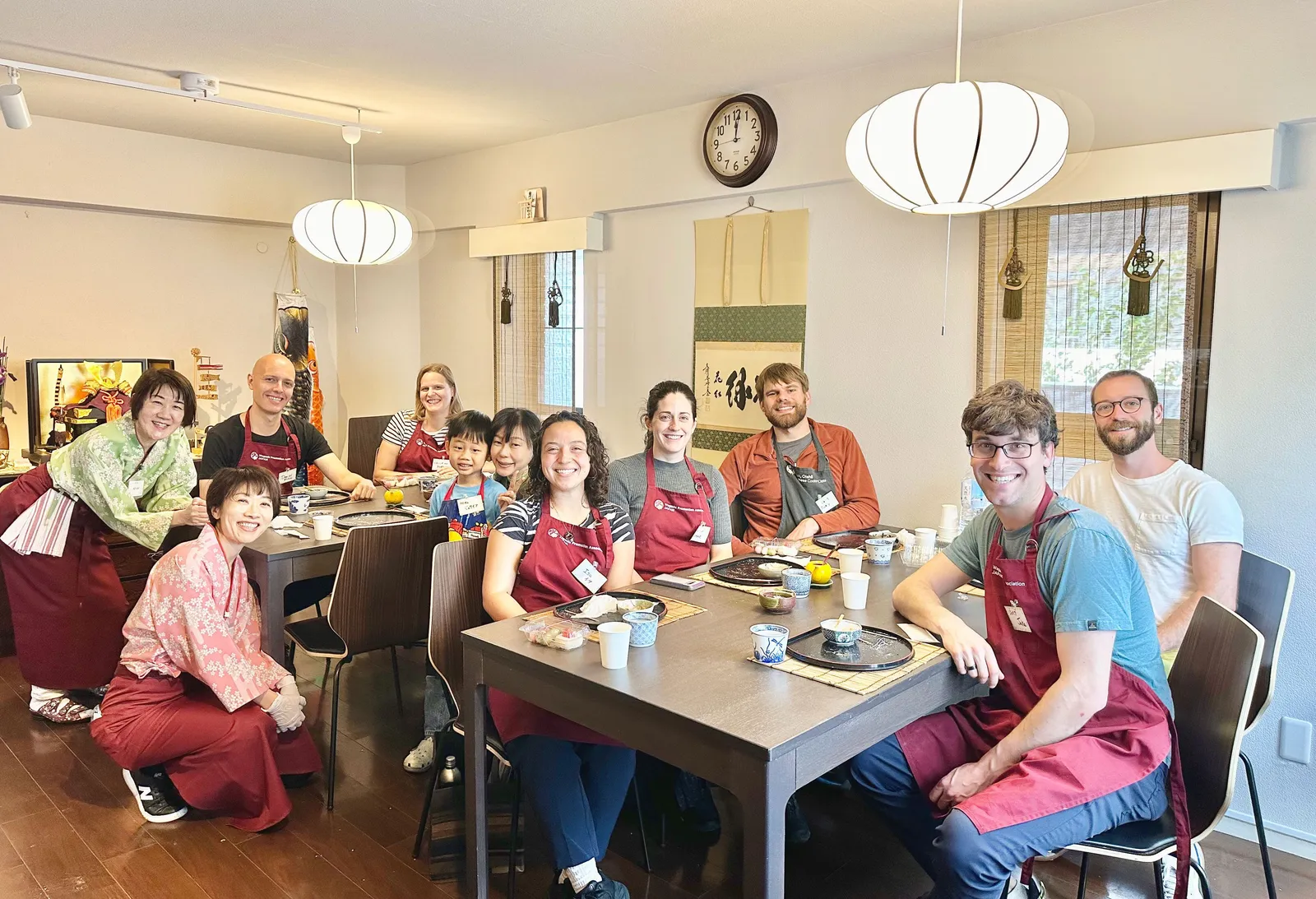
Learn to Make Mochi with Mochi Flour, Easy to Recreate at Home
Mochi is traditionally made by pounding steamed sweet rice, but this class uses mochi flour so that anyone can easily recreate the process at home.
You'll learn everything hands-on, from handling the ingredients to shaping the mochi, making it easy to replicate even without specialized kitchen equipment.
Beyond just learning how to make mochi, this experience also covers the cultural meaning of mochi and its role in Japanese festivals and traditions.
After the lesson, you can download recipes and videos, so the experience doesn't end when you leave Japan—you can try making it again at home.
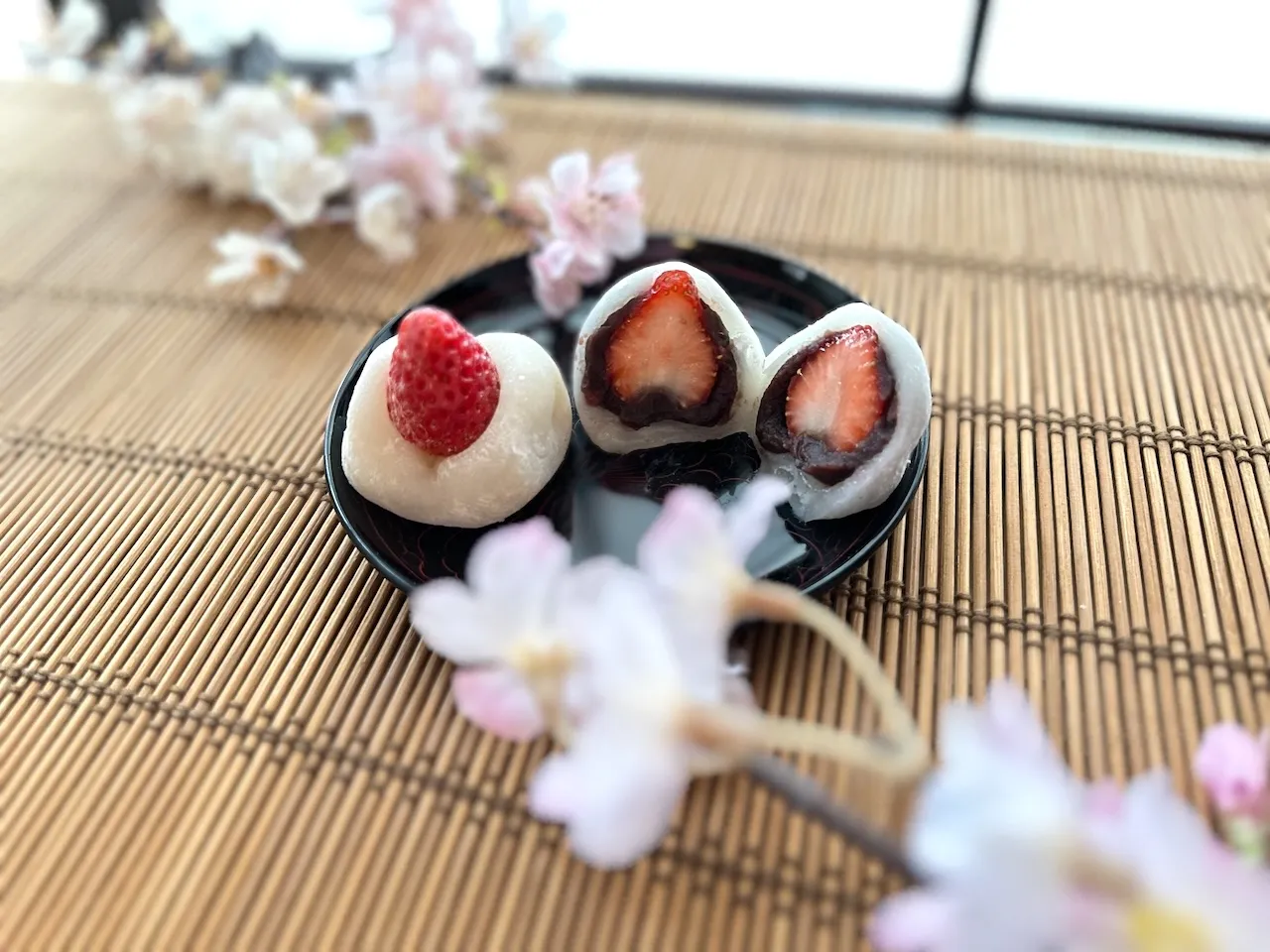
Fruit Daifuku in Two Varieties: White Bean Paste and Smooth Red Bean Paste
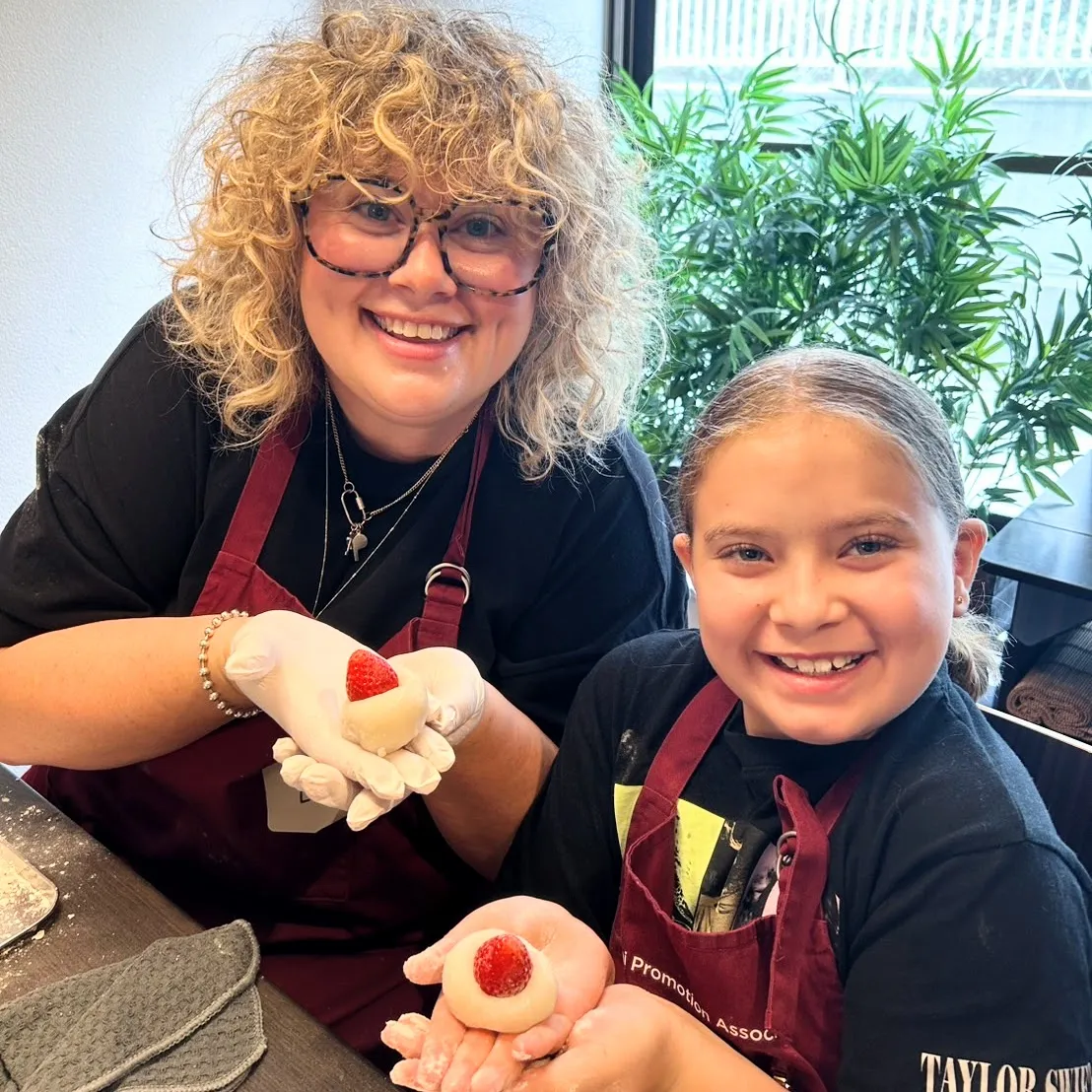
The first sweet you'll make by hand is fruit-filled daifuku.
You'll wrap fruit and bean paste inside the mochi, then shape it into a round form.
You can enjoy daifuku with two types of filling—white bean paste (shiroan) and smooth red bean paste (koshian)—allowing you to compare the difference in flavor even when using the same fruit.
Strawberries are typically used, but other fruits are used when strawberries are out of season. From around June to October, pineapple is used instead.
※Other fruits will be used when strawberries are not in season
The fact that the fruit used changes with the seasons is one of the charms typical of Japanese wagashi.
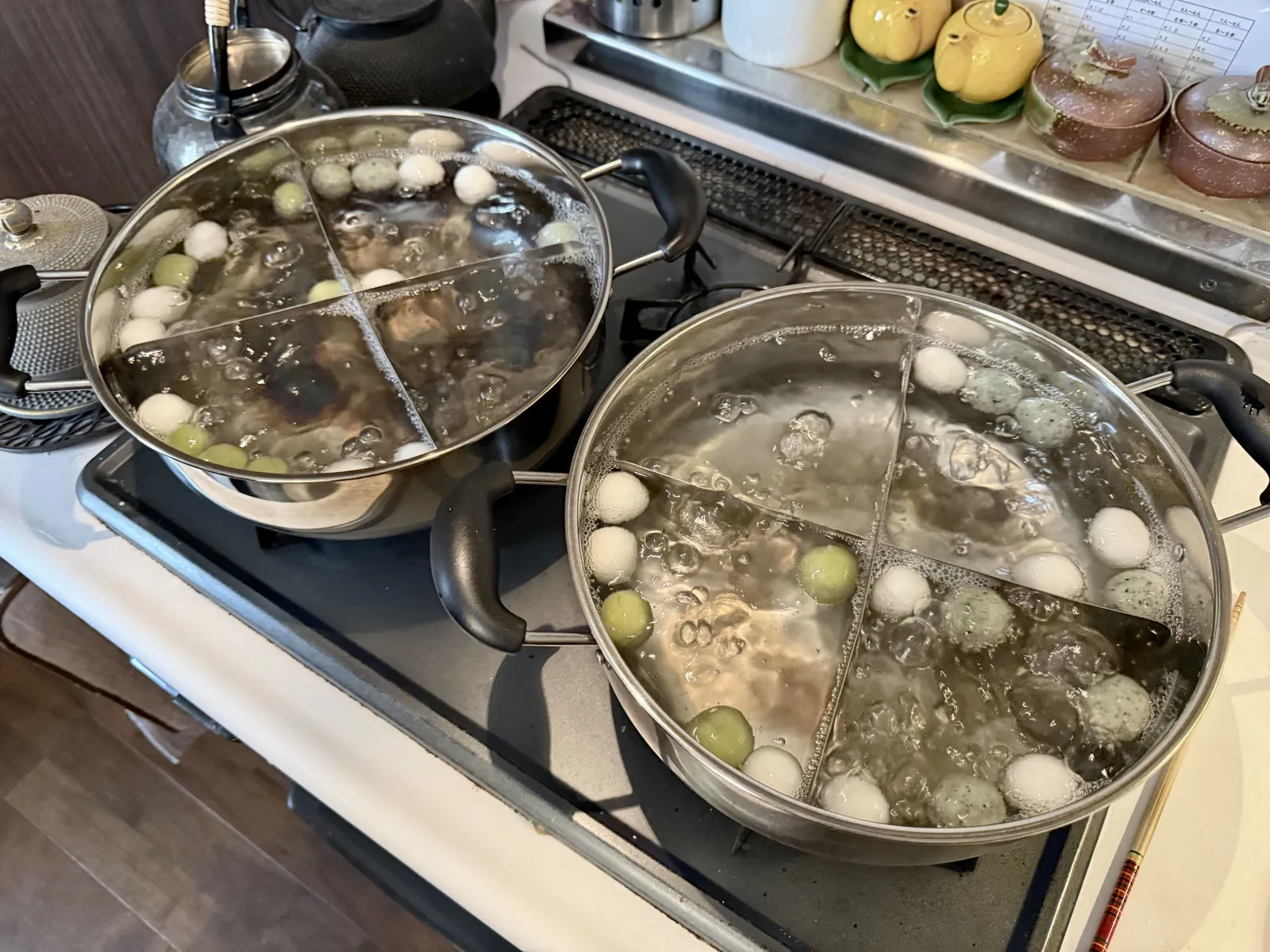
Try Making Dango Too | Enjoy with Mitarashi and Black Sesame
Another classic Japanese sweet you'll actually make is dango.
You'll shape the mochi dough into round balls with your own hands to complete the dango.
The finished dango is topped with sweet-savory mitarashi sauce and fragrant black sesame.
Since the texture and flavor differ from fruit daifuku, you'll get to experience the variety of ways mochi can be enjoyed, even within Japanese sweets made from the same base.
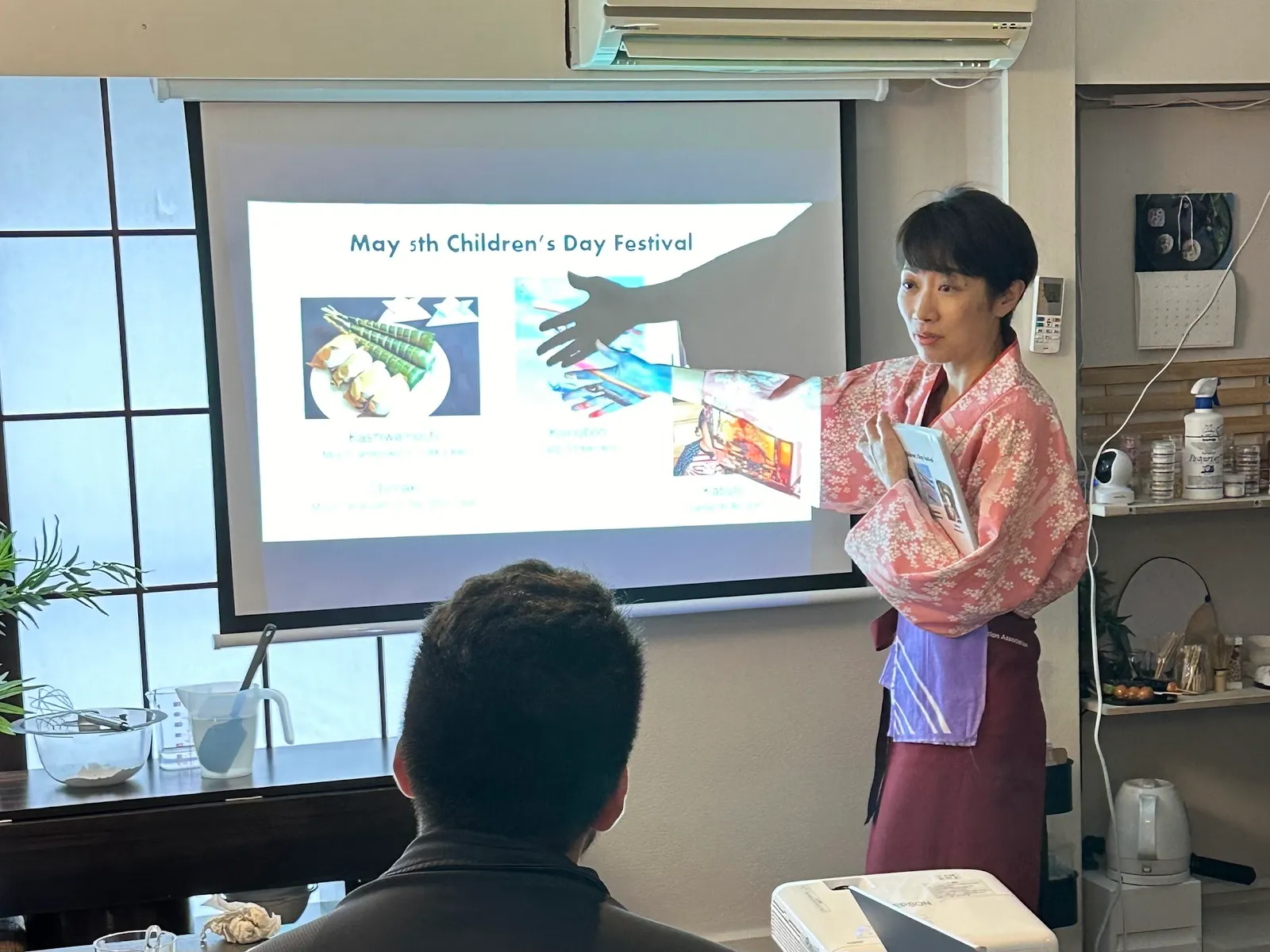
Learn Yukimi Daifuku and Warabi Mochi Through Demonstration
In this class, you won't be making all five varieties yourself.
For yukimi daifuku (a snow-viewing style ice cream mochi) and warabi mochi (a jelly-like sweet made from bracken starch), you'll learn the process through a demonstration by the instructor.
Unlike the fruit daifuku and dango you make yourself, this is a time to watch the instructor's hands closely and observe how the ingredients are handled and finished.
By both "making" and "watching," you get to learn about multiple types of mochi sweets.
Enjoy Isobe Mochi as a Tasting
The fifth variety, isobe mochi, isn't something you make yourself—it's enjoyed as a tasting.
Unlike the sweet fruit daifuku, dango, and yukimi daifuku, isobe mochi—made with soy sauce and nori seaweed—has a savory flavor closer to a meal.
This lets you discover the wide range of ways mochi is enjoyed in Japan, beyond just sweet varieties.
Experience 5 Types of Mochi Culture Through "Making, Watching, and Tasting"
The key point of this class isn't making all five varieties yourself, but experiencing each one in a different way.
Make yourself: Fruit daifuku, dango Demonstration: Yukimi daifuku, warabi mochi Tasting: Isobe mochi
With hands-on making, time spent watching the instructor's skills, and time spent tasting, you can experience a wide range of Japanese mochi culture in about two hours.
Enjoy Your Finished Mochi Sweets with Green Tea
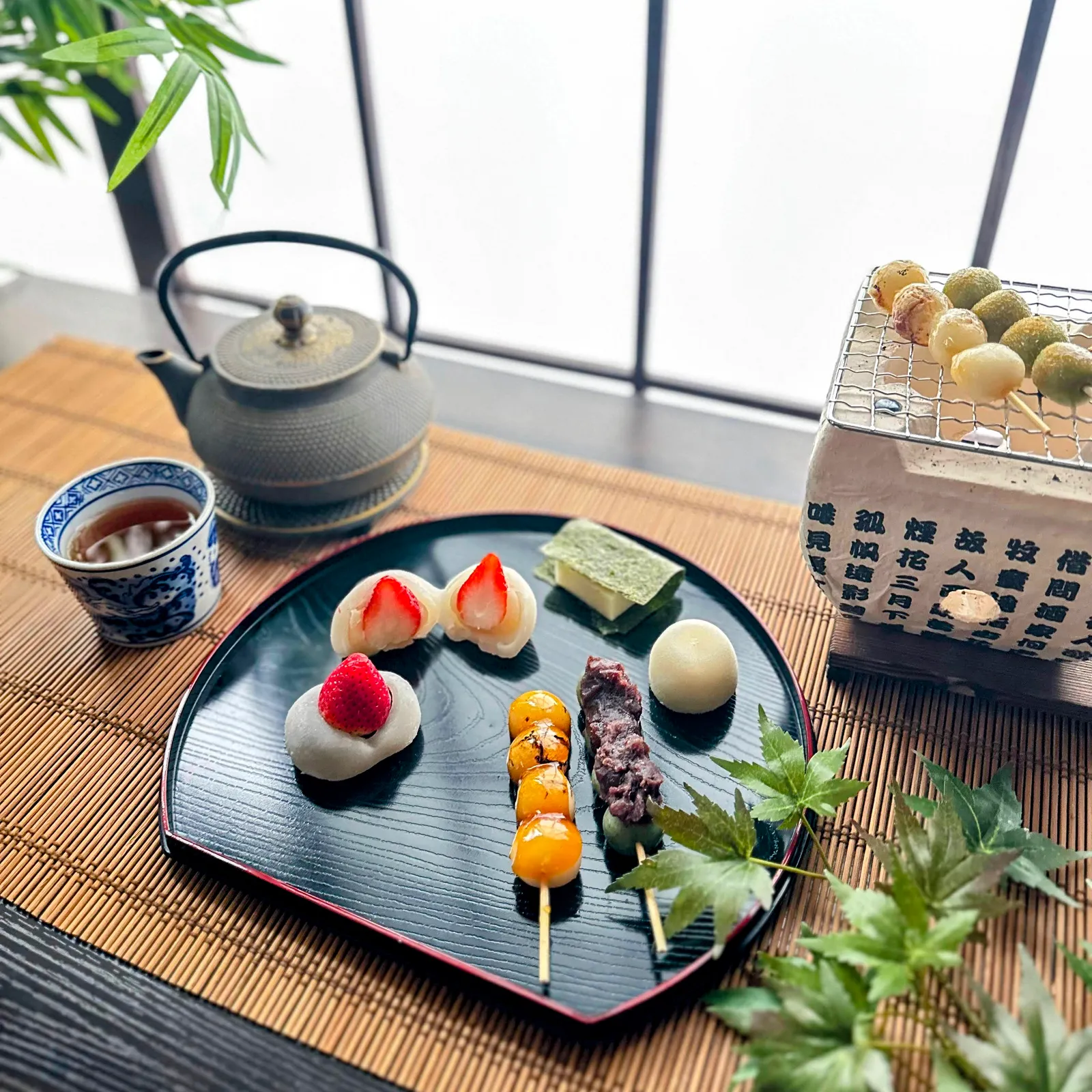
The experience concludes with enjoying the mochi sweets alongside green tea.
What's served here is green tea, not matcha.
You can take your time savoring your own handmade fruit daifuku and dango, along with the other mochi varieties you encountered during the lesson, paired with tea.
This experience lets you enjoy Japanese wagashi culture not just through the making process, but also through the shared time of tasting everything together at the end.
A Vegetarian & Gluten-Free Mochi Sweets Experience
This class is vegetarian and gluten-free by design.
Additionally, vegan, dairy-free, and egg-free options are available upon request at the time of booking.
For vegan requests, the ice cream used in the yukimi daifuku demonstration and tasting can be substituted with vegan ice cream.
If you have any dietary restrictions, be sure to let them know when making your reservation.
Things to Check Before Booking
- Start times and availability on your preferred date
- Duration (approximately 2 hours)
- Meeting location (near Meguro Station, Tokyo)
- Languages offered (English and Japanese)
- Which season other fruits are used instead of strawberries
- Advance requests needed for vegan, dairy-free, or egg-free options
- Allergy accommodations
- Conditions for children's participation
- Whether you can take the finished wagashi home
- How to download the recipes and videos
- Cancellation and change policies
The fruits used and the day's content may change depending on the season, so please check the booking page for the latest information.
In Summary
At this approximately 2-hour class held near Meguro Station in Tokyo, you'll learn about Japanese mochi sweets using mochi flour.
Participants actually make two varieties themselves: fruit daifuku and dango. You'll also watch demonstrations of yukimi daifuku and warabi mochi, and sample isobe mochi—enjoying a total of five kinds of mochi sweets.
Fruit daifuku comes in white bean paste and smooth red bean paste varieties, while dango is topped with mitarashi sauce or black sesame, and everything is enjoyed with green tea at the end.
Since you can download recipes and videos after the lesson, this experience is recommended not only for enjoying wagashi during your trip to Japan, but also for those who want to try making it themselves after returning home.

Cultural Experiences in Tokyo
Traditional Mochi-Making Class in Tokyo
Check the booking page for the latest schedules, prices, and plan details.